TL;DR: The TLK-150 sea drone from Ukraine's Toloka is an 8-foot, ~50 lb unmanned vehicle that can travel over 1,200 miles and transmit mine-detection data in real time. Its AI-driven, jamming-resistant navigation addresses problems that have hampered Western systems in wartime conditions. While Kyiv says it's ready to help clear the Strait of Hormuz, U.S. acquisition, testing and operational constraints make rapid deployment unlikely; locating mines remains the primary operational challenge.
How Ukraine’s TLK-150 Sea Drone Could Help Reopen the Strait of Hormuz
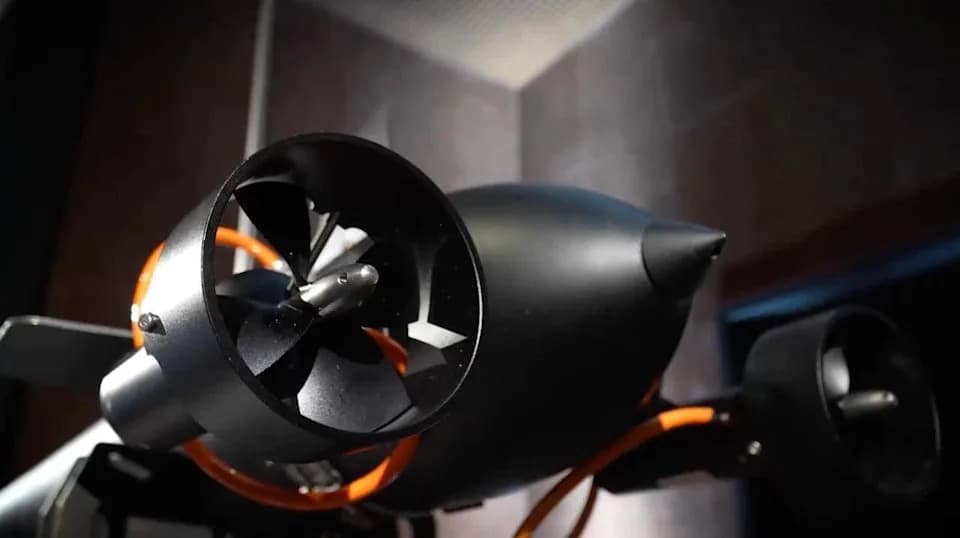
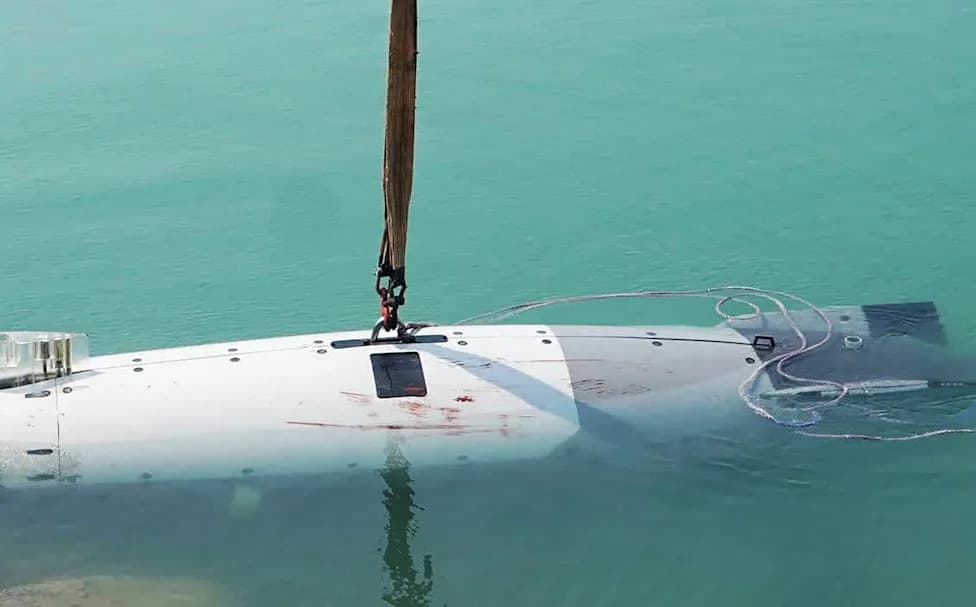
Ukrainian President Vladimir Zelenskyy shared this photo of a demining drone. / Credit: Volodymyr Zelenskyy/Telegram
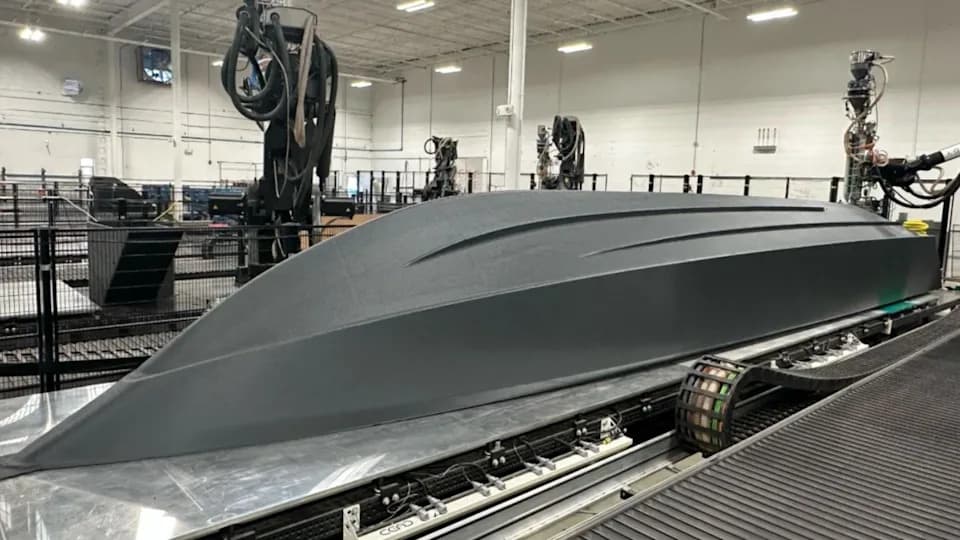
The TLK-150 is an 8-foot, roughly 50-pound sea drone that runs just beneath the water's surface to map submerged minefields. Built by Ukrainian defense firm Toloka, the drone can operate for more than 1,200 miles between charges and has completed hundreds of missions off Ukraine's coast locating mines laid since Russia's 2022 invasion. With the Strait of Hormuz effectively blocked after Iran seeded it with mines, experts are examining whether Ukraine's jamming-resistant systems could assist in clearing a vital global shipping lane.
The TLK-150 And Ukraine's Mine-Clearing Experience
Toloka's TLK series—including the compact TLK-150—combines extended range, real-time data transmission, and multi-role capabilities (minesweeping and naval strike). Toloka founder Dima Zelenskiy says the system transmits detections in real time, removing the need to extract vehicles to retrieve logged data.
'Using conventional methods, you need to take the vehicle out of the water and connect a USB to the drone to get the data. In our case, the vehicle does everything,' Zelenskiy said.
Why Finding Mines Is Often Harder Than Clearing Them
Experts emphasize that detection, not destruction, is frequently the primary challenge. Locating seabed mines requires resilient navigation and secure data links—capabilities tested extensively in Ukraine's intense electronic warfare environment. Emma Salisbury, a maritime security expert, noted that GPS-dependent systems can be jammed and questioned how detection data are reliably transmitted back to operators.
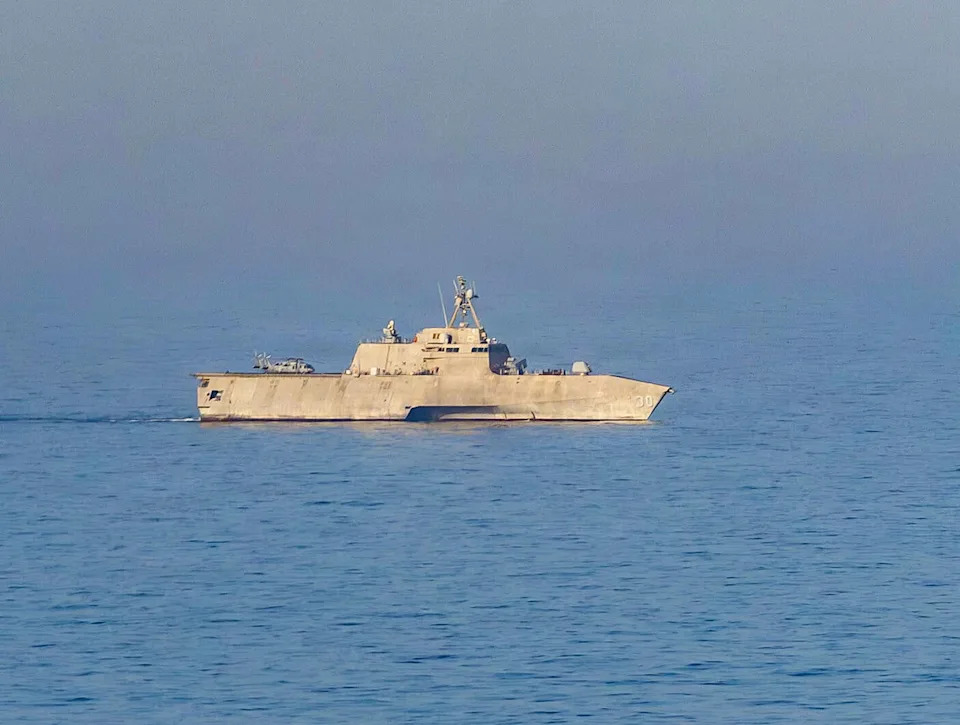
File: The Independence-class littoral combat ship USS Canberra (LCS 30) patrols the Arabian Sea during a maritime blockade against ships entering or exiting Iranian ports and coastal areas, April 17, 2026. / Credit: U.S. Navy photo
U.S. Mine-Countermeasure Capabilities And Limits
The U.S. Navy is deploying Littoral Combat Ships (LCS) in the region that can launch helicopters and unmanned systems equipped with sonar and cameras to search for mines. But LCS vessels have limitations: only two are currently in the Middle East, their metal hulls force them to stand off from suspected minefields, and their organic unmanned systems can struggle in contested electronic environments.
'The U.S. Navy has been neglecting the mine countermeasures mission for more than 20 years. It's a mission that gets very little attention, very little respect,' said Scott Savitz, a senior engineer at RAND who previously advised the Navy's mine warfare command.
Electronic Warfare: A Critical Factor
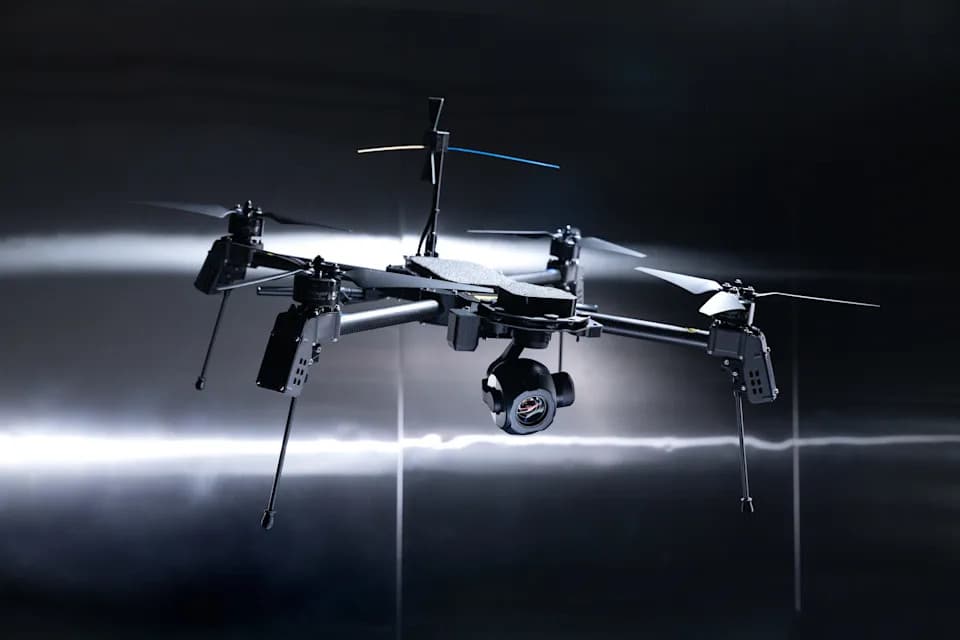
Ukraine's combat zone has been a severe testing ground for electronic warfare. Western unmanned underwater vehicles have reportedly failed in wartime conditions when GPS jammers and air raids disrupted operations, forcing vehicles to surface and exhausting batteries. Toloka and other Ukrainian companies have developed AI-driven navigation and jamming-resistant systems that can estimate position without continuous GPS and transmit mapping data under contested conditions.
A related Ukrainian firm, Sine Engineering, recently received a $70 million investment from the U.S. International Development Finance Corporation for navigation tech that complements these capabilities.
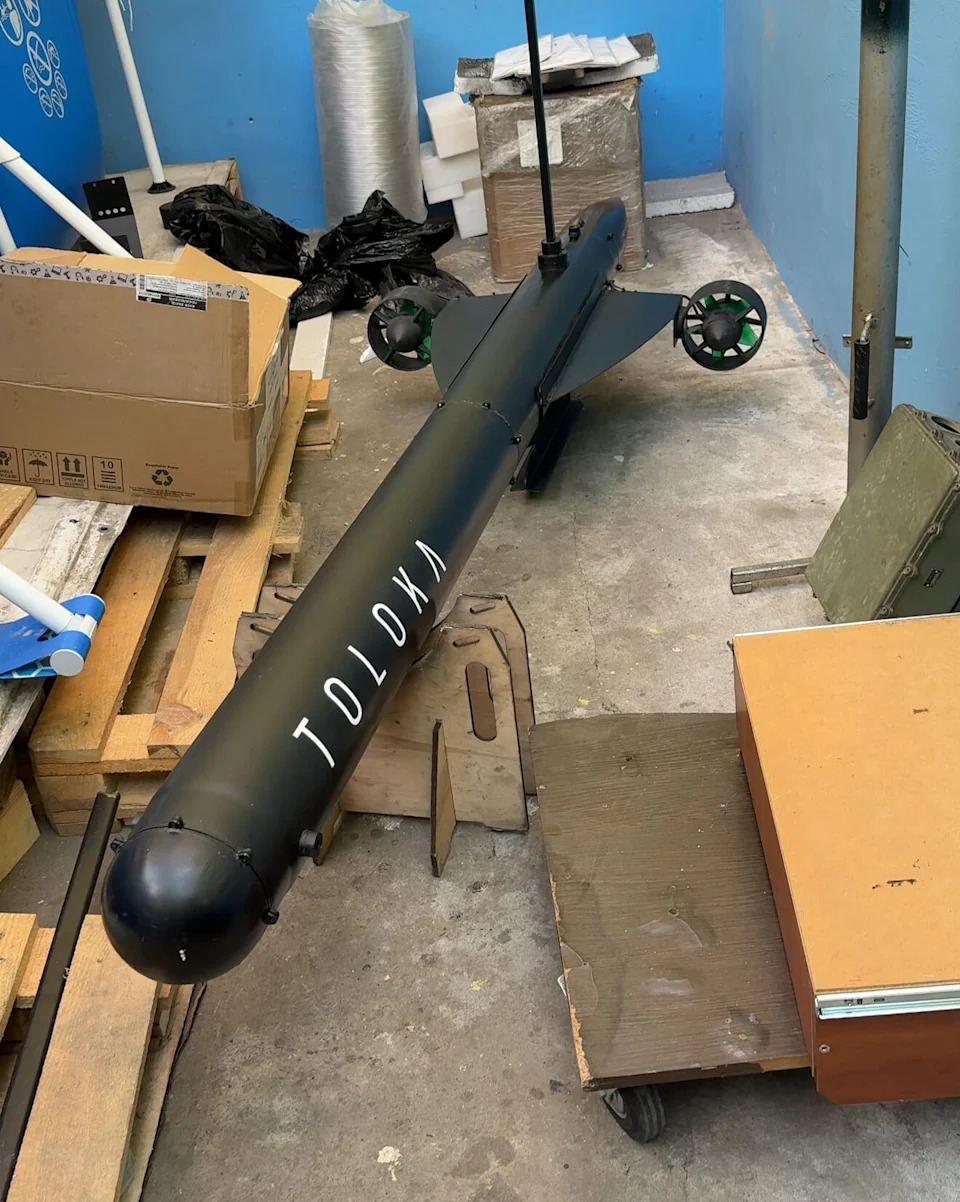
Toloka, a Ukrainian company, has used its drones to clear mines from the Black Sea. / Credit: CBS News
Practical And Political Hurdles To Rapid Deployment
Even if Ukrainian technology is well-suited to Hormuz conditions, deploying it quickly faces hurdles. U.S. military procurement and testing processes require extensive evaluation before foreign-built systems can be integrated into fleet operations. Scott Savitz cautioned that the acquisition process involves lengthy testing, certification, and back-and-forth coordination that can slow adoption.
Kyiv's Offer To Help
Ukrainian President Volodymyr Zelenskyy has said Kyiv is prepared to assist if requested. He described the issue as 'painful and urgent' amid rising energy concerns, and reiterated that Ukraine can share its expertise—but, he added, no formal request to help clear the Strait of Hormuz had been received as of his March statements.
Conclusion
Ukraine's TLK-150 and related unmanned systems demonstrate capabilities—range, real-time data transmission, and jamming resistance—that address many of the operational challenges in mine clearance. However, organizational, logistical and procurement barriers mean rapid deployment into the Strait of Hormuz is unlikely without high-level political decisions and expedited testing. In the meantime, experts warn that finding mines remains the most difficult step, and clearing the strait could take months if contested environments and limited assets persist.
Help us improve.