Georgia Attorney General Chris Carr has indicted three activists tied to protests at the Cop City police training center shortly before the Republican primary, drawing accusations that the move is politically motivated. The defendants were previously named in a dismissed 2023 RICO indictment that is under appeal and now face felony arson and property-damage charges that carry up to five years in prison. Legal experts warn the new charges raise due process concerns because the defendants must defend themselves in separate jurisdictions for the same alleged actions. The prosecutions have intensified debate over protest tactics, public safety and political calculation.
Georgia Attorney General Faces Criticism for New Charges Against Cop City Protesters Ahead of Primary
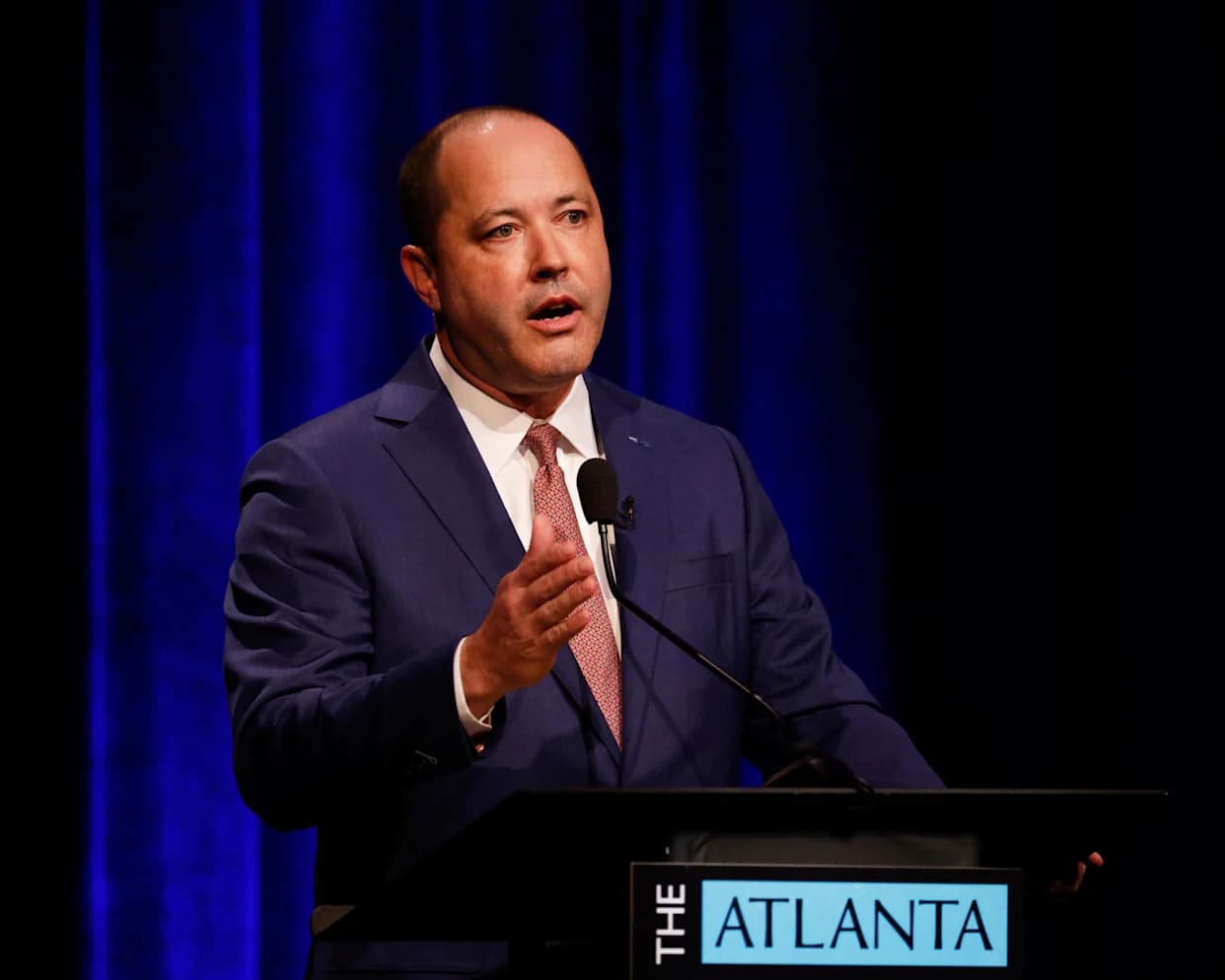
Chris Carr at a primary election debate in Atlanta on Monday night.Photograph: Arvin Temkar/AP(Photograph: Arvin Temkar/AP)
Atlanta, GA — Georgia Attorney General Chris Carr has filed a new indictment against three activists tied to protests at the controversial Atlanta police training facility known as "Cop City," a move critics say is timed to bolster his struggling campaign for governor.
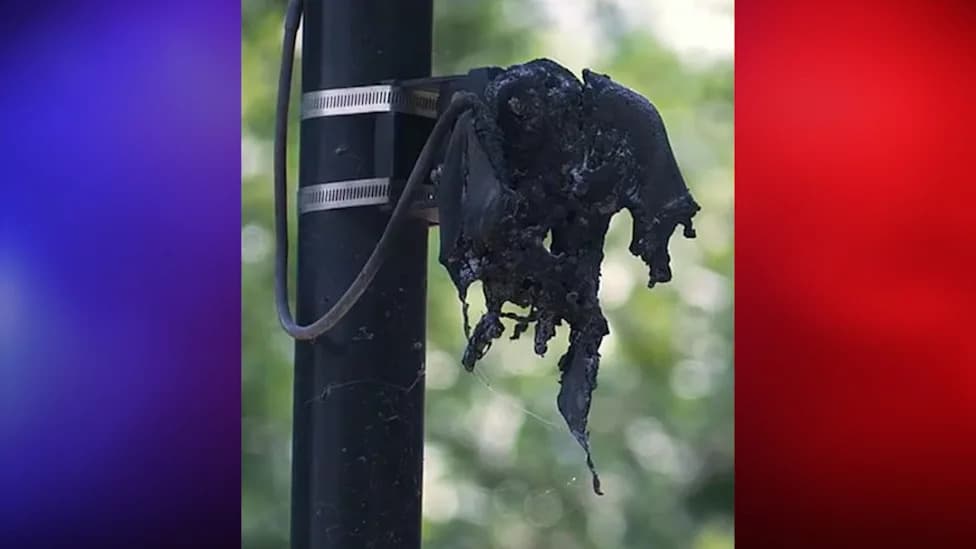
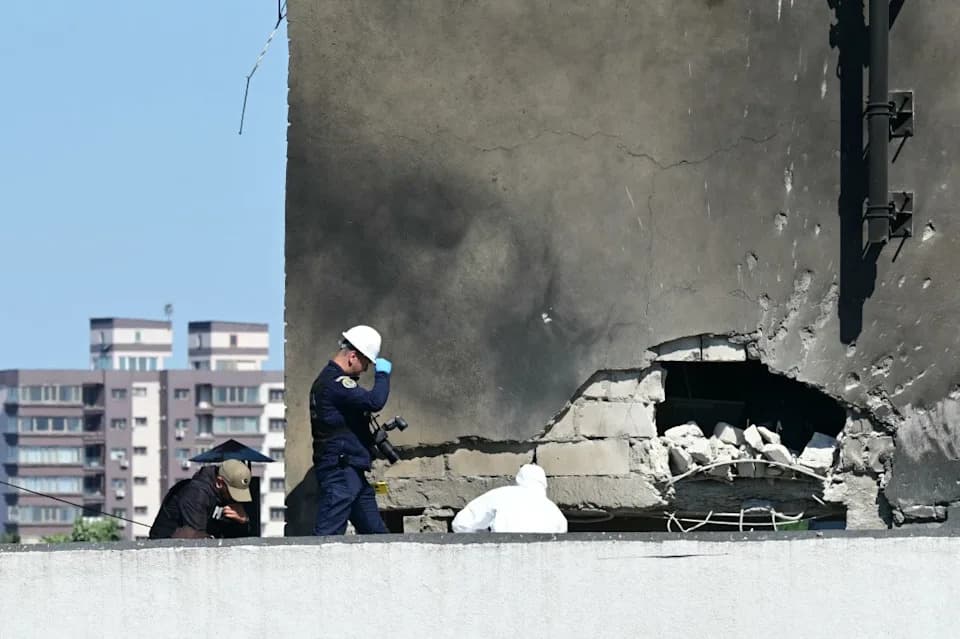
Carr announced late last week that Katie Marie Kloth, Tyler John Norman and Hannah Kass face felony counts in Cobb County for criminal damage to property and arson stemming from alleged actions on 12 May 2022. Prosecutors say the defendants spray-painted windows and walls at the Smyrna headquarters of contractor Brasfield & Gorrie and started a fire in nearby brush and straw. The alleged conduct occurred nearly four years ago and the charges were filed just weeks before the statute of limitations would have expired.
Background: RICO Case, Dismissal and Appeal
All three defendants were also among 61 people named in a 2023 racketeering (RICO) indictment filed by Carr in Fulton County — the largest use of RICO statutes against a protest movement in US history. A Fulton County judge dismissed that indictment in December on technical grounds related to whether Governor Brian Kemp had authorized the prosecution. The state has appealed, and Carr's office provided a signed letter from Kemp dated 31 December authorizing continued prosecutions.
"Carr didn't file this indictment until after he lost the RICO case," said Matt Scott, editor at the Atlanta Community Press Collective. "It's an open attempt to bring some sort of punishment against Cop City protesters, nicely timed with the primary next month."
Politics, Timing and Criticism
Critics have accused Carr of using the authority of his office to advance his political fortunes. Carr, who has emphasized a "hold the line against antifa" message, is polling below 10% in the race for the Republican nomination ahead of the 19 May primary. Political strategist Paul Glaze called the move "the last gasp of a dying man."
Defense attorneys and legal scholars have raised procedural concerns. Elizabeth Taxel, a clinical professor at the University of Georgia School of Law, said the new indictment forces defendants to "defend themselves in two jurisdictions for the same conduct, against the same prosecuting entity," which could prompt due process arguments.
Local Opposition and Law-Enforcement Arguments
The $109 million training center, which opened last spring, drew a wide coalition of local and national critics opposed to police militarization and the clearing of forested land amid climate concerns. Supporters, including Atlanta police officials, argue the facility is needed to provide "world-class" training and to recruit officers.
Several previous state efforts to prosecute activists tied to the Cop City protests have faltered, including the RICO dismissal and withdrawal of money-laundering charges against the Atlanta Solidarity Fund, a bail organization. Still, Carr has continued to pursue charges, saying, "We are not Oregon. We are not New York. We are not California," and noting that the three newly indicted defendants are from out of state.
"I've been saying for years that this is political theater, a political prosecution," said Xavier de Janon, a defense attorney who represented defendants in the RICO proceedings.
The new Cobb County indictment exposes the three activists to felony penalties that could include up to five years in prison, and it has intensified debate over whether state prosecutions are an appropriate response to protest tactics or an example of politically motivated law enforcement.
What Happens Next: The Cobb County charges proceed alongside the state appeal of the dismissed Fulton RICO indictment. Defense attorneys are expected to explore constitutional and procedural defenses, including potential double jeopardy or due process claims arising from parallel prosecutions.
Help us improve.