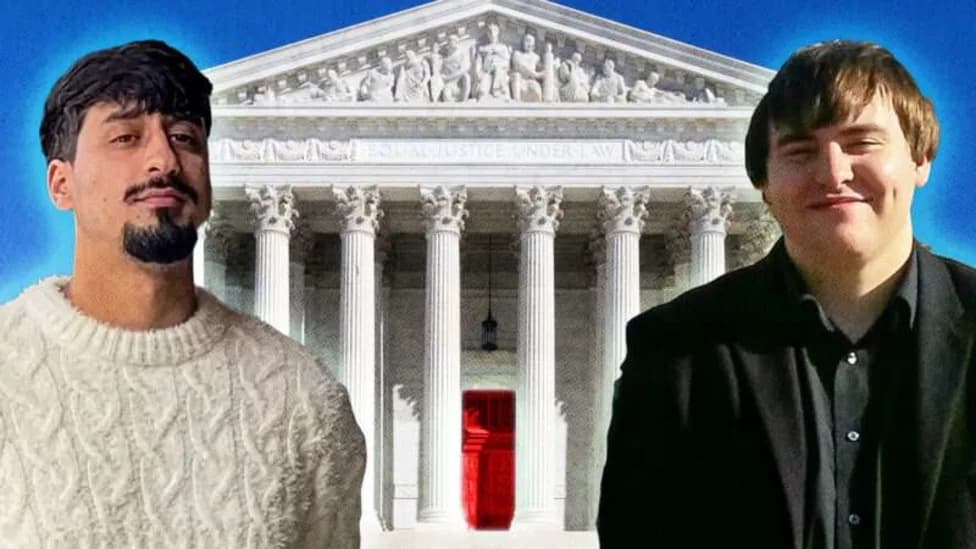
The Supreme Court is weighing a challenge to "geofence" warrants after police in Midlothian, Virginia used one to search Google’s location-history records and identify Okello Chatrie. The case revisits two key Fourth Amendment doctrines: the "reasonable expectation of privacy" test and the third-party rule, which treats data shared with companies as less protected. Chatrie’s lawyers warn broad geofence orders could permit sweeping searches of emails, photos and other cloud-stored files, while the government argues some location queries need no warrant. The Court’s decision could reshape privacy protections for digital records.
Supreme Court Case Could Limit — Or Expand — Privacy Protections For Geofence Warrants
A SCOTUS Case Exposes the Dangers of 2 Misguided Fourth Amendment Doctrines
Seven years ago, police in Midlothian, Virginia asked Google to search its location-history records for more than 500 million users to help identify a bank robber. That "geofence" search returned 19 devices that had been in or near the bank around the time of the crime; investigators narrowed the list to three people, including Okello Chatrie, who was later convicted.
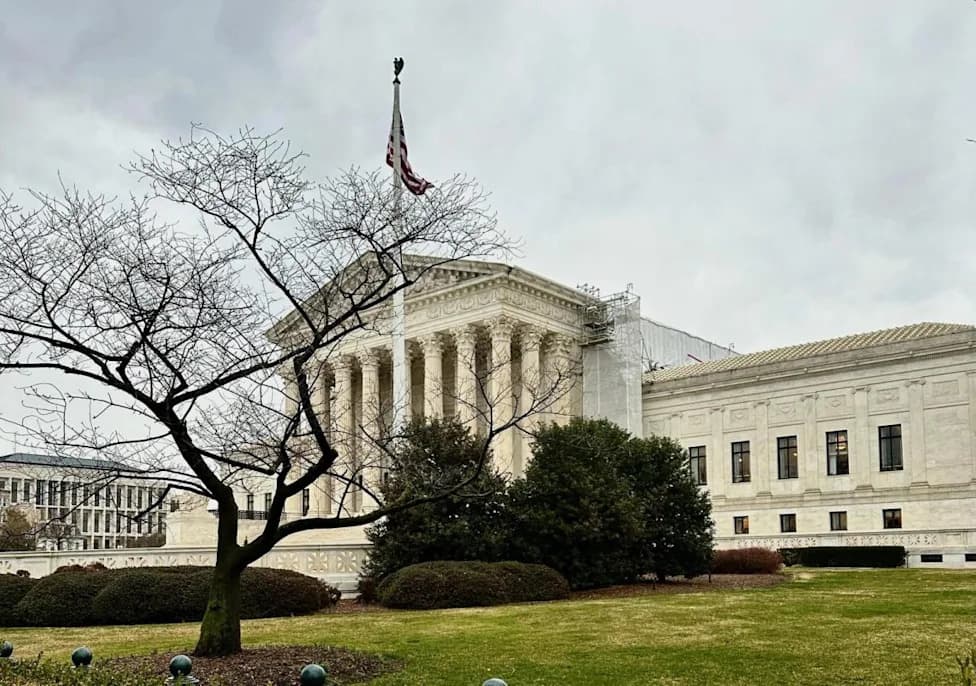
This week the Supreme Court heard arguments in Chatrie’s challenge to the geofence warrant, a case that puts two contested Fourth Amendment doctrines under the spotlight: the "reasonable expectation of privacy" test and the third-party doctrine, which treats information voluntarily shared with companies as generally outside Fourth Amendment protection.
Legal Background
In 1967 the Court held that the Fourth Amendment protects people only when they have a "reasonable expectation of privacy." Later decisions involving bank and telephone records developed the third-party doctrine, under which data voluntarily turned over to businesses is often deemed unprotected. Those precedents collided most visibly in Carpenter v. United States (2018), where the Court said long-term cell-site location tracking typically requires a warrant — a result that Justice Neil Gorsuch described as difficult to reconcile with the third-party rule.
What Makes Chatrie Different
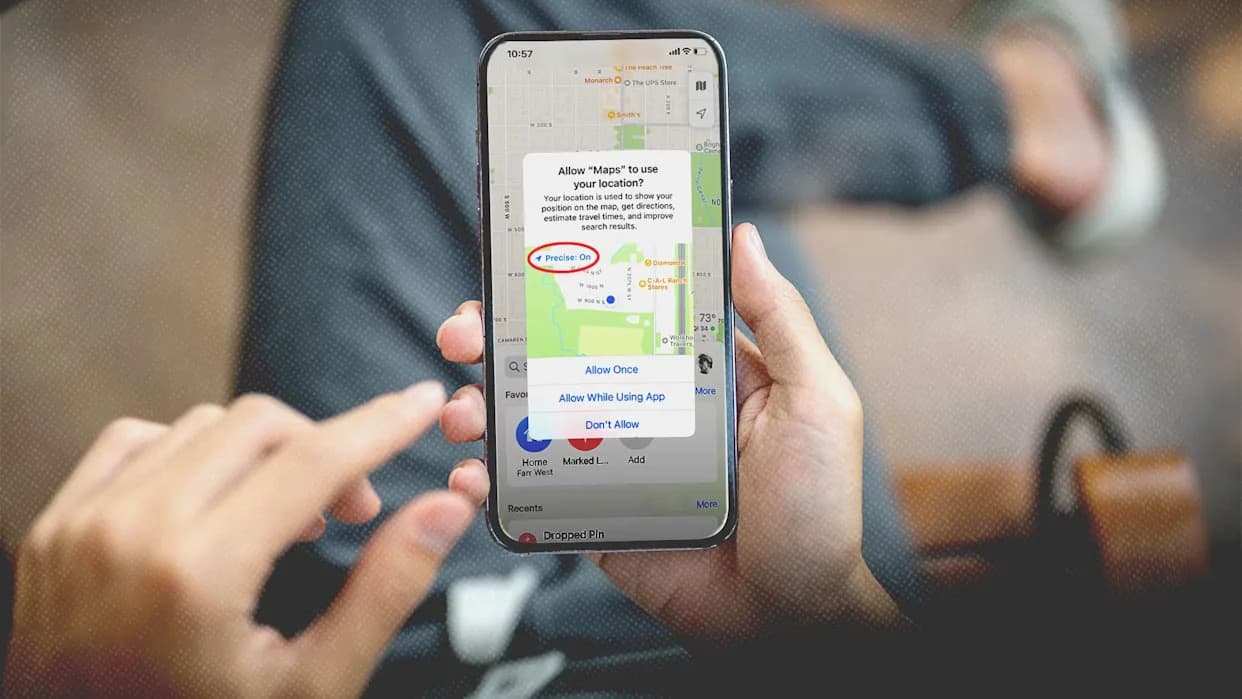
Chatrie’s case differs in a key way from Carpenter: the location information used to identify him came from apps on his phone and records stored by Google, not directly from cell-tower logs. Although Google says it no longer retains some types of location history, many popular apps continue to collect and store real-time and historical location data in the cloud.
The Arguments
Police obtained a warrant in the Midlothian investigation, but Chatrie’s lawyers argue geofence warrants are often written so broadly they violate the Fourth Amendment’s twin requirements that warrants be supported by probable cause and "particularly" describe the place to be searched and the persons or things to be seized.
The government, represented at argument by the Solicitor General’s office, asks the Court to reject Chatrie’s challenge. At the same time, it has advanced the view that some geofence queries do not require a warrant because users who consent to location tracking have no reasonable expectation that those records will remain private.
Chatrie’s attorney, Adam Unikowsky, warned at oral argument that accepting the government's position could allow investigators to search emails, photos, calendars and other remotely stored documents without warrants. Several justices voiced alarm at that possibility. Deputy Solicitor General Eric Feigin sought to limit his argument in court, assuring the justices it should not be read to permit unlimited searches of all remotely stored files, but the underlying voluntary-sharing premise raises the broader concern.
"The potential for abuse is breathtaking," Unikowsky wrote in a Supreme Court brief. "The government need only draw a geofence around a church, a political rally, or a gun shop, and it can compel a search of every user's records to learn who was there."
Alternative Approaches
In his 2018 dissent and subsequent writings, Justice Gorsuch questioned both the reasonable-expectation test and the third-party doctrine and suggested a property-based approach rooted in the Fourth Amendment’s protection of "papers" and "effects." Under that view — which Chatrie’s lawyers invoke — people might retain a property-like interest in records they create or control, even when those records are shared with a third party for limited purposes.
Why This Matters
The Court’s ruling could either reaffirm the government’s ability to use geofence warrants and the third-party doctrine in digital investigations or force a rethinking of how the Fourth Amendment applies to the vast amounts of personal data users entrust to tech firms. The outcome will affect not only criminal investigations but also ordinary people whose location histories, messages and stored files could reveal detailed, intimate information about their lives.
© Copyright 2026 by Creators Syndicate Inc.
Help us improve.