New measurements show the Turkana Rift in eastern Africa is further along in the rifting process than previously thought, with tectonic plates diverging at about 4.7 mm per year. The study in Nature Communications found crustal thickness reduced to roughly 8 miles (≈13 km) in places versus about 22 miles (≈35 km) elsewhere. While full ocean formation would take millions of years, the findings challenge traditional models of continental breakup and improve predictions of landscape and climate changes tied to rifting.
Giant Turkana Rift Shows Africa May Be Slowly Splitting — A New Ocean Could Form Over Millions of Years
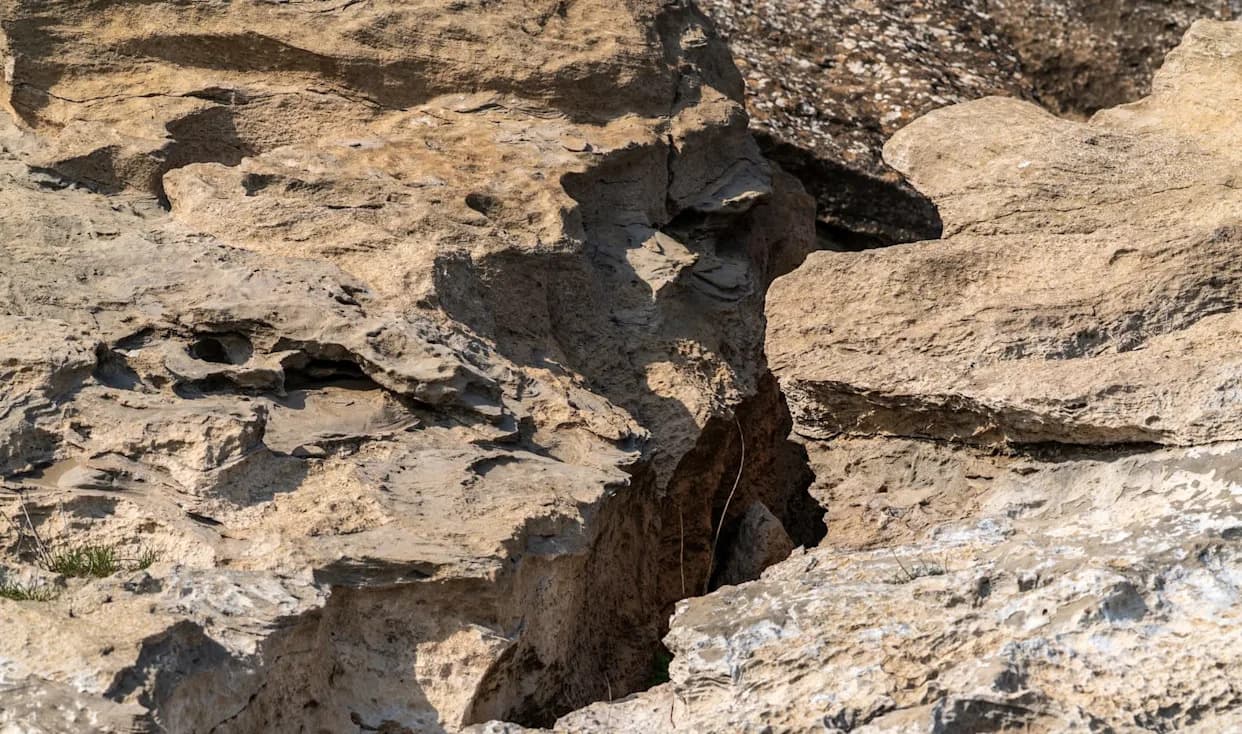
Photo Credit: iStock
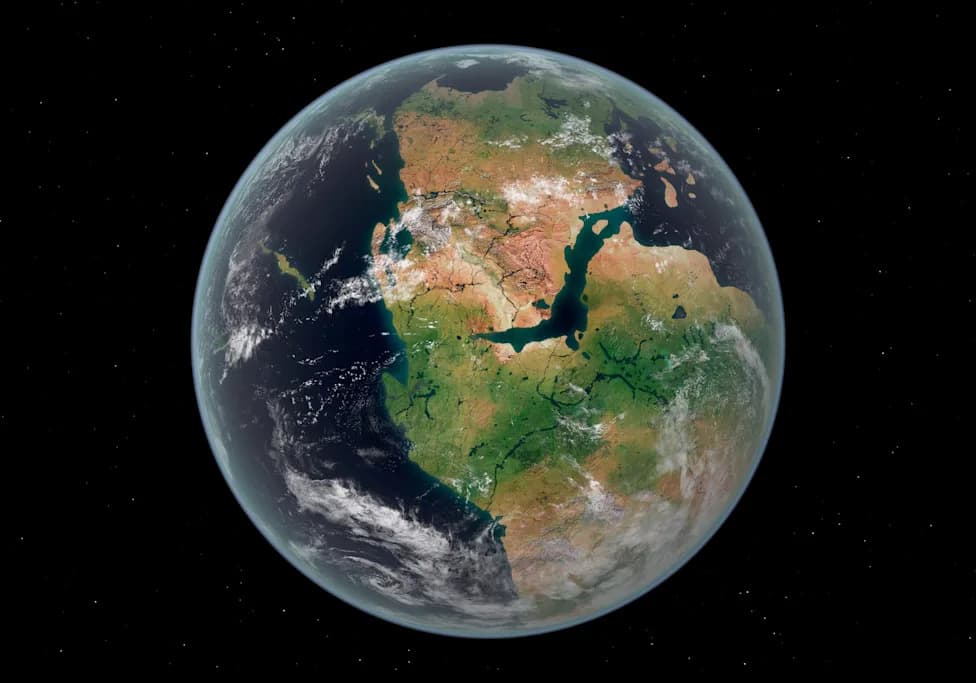
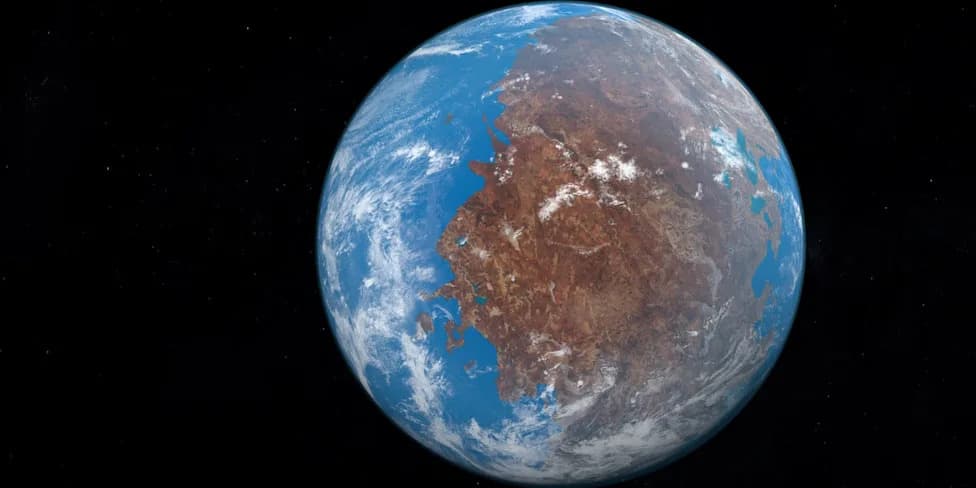
New research shows the Turkana Rift in eastern Africa is more advanced than previously recognized, suggesting the continent could be on a very long-term path toward splitting and forming a new ocean. The findings, published in Nature Communications and reported by the Columbia Climate School and Science Daily, refine scientists' picture of how rifts evolve and how continents break apart.
Key Findings
Researchers mapped crustal thickness and tectonic motion across the roughly 300-mile (about 480 km) Turkana Rift. They found tectonic plates in the region are diverging at about 4.7 millimeters per year, and that the crust has thinned dramatically in places — to roughly 8 miles (≈13 km) at its thinnest compared with about 22 miles (≈35 km) elsewhere.
“We found that rifting in this zone is more advanced, and the crust is thinner, than anyone had recognized,” said Christian Rowan, the study's lead author, in coverage by the Columbia Climate School. “Eastern Africa has progressed further in the rifting process than previously thought.”
Co-author Anne Bécel warns the rift may have reached a "critical threshold," a stage when localized thinning and magmatic activity can accelerate the breakup process. Folarin Kolawole, another co-author, added that the Turkana Rift gives scientists a rare, front-row view of a critical rifting phase that has shaped rifted margins worldwide.
Why It Matters
Although the full separation of the continent and formation of a new ocean would take millions of years, these observations revise models of continental breakup and help scientists better predict the long-term evolution of landscapes, ecosystems and regional climates. The Turkana region is already notable for volcanic activity and a rich record of hominin fossils, making it an important natural laboratory for both geology and human evolution.
Implications: Improved mapping of crustal thinning and rift dynamics sharpens our understanding of plate tectonics, the development of rifted margins, and how such processes influence environment and habitability over geological timescales.
Help us improve.