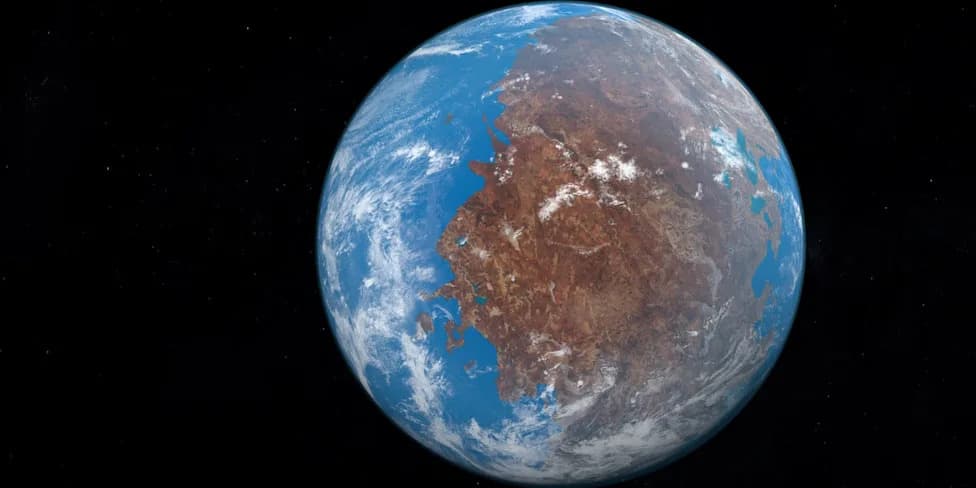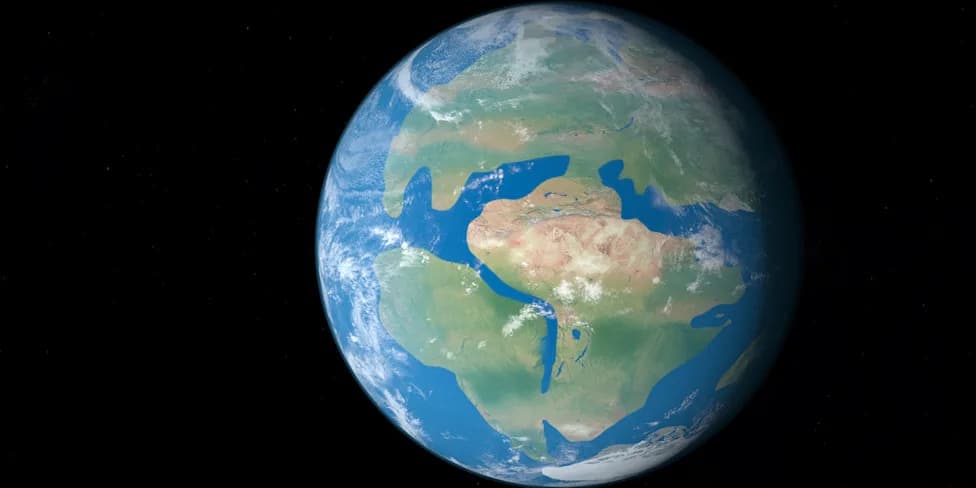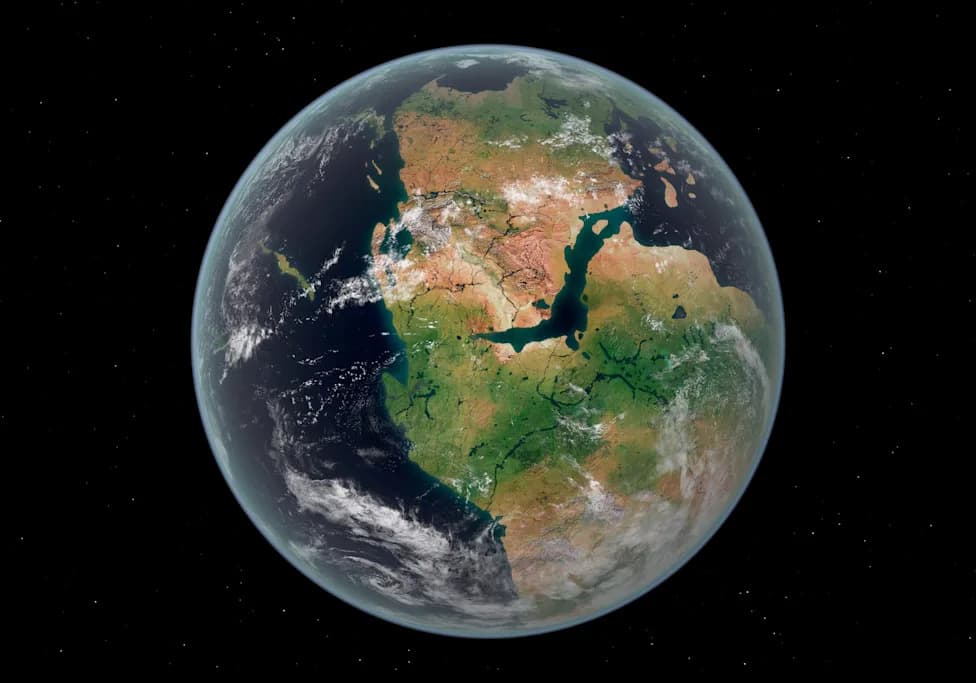
Researchers re-mapped Gondwana using elemental fingerprints from over 25,000 volcanic rocks and conclude the supercontinent may have covered about 80% of Earth's land around 500 million years ago, larger than previous estimates of ~64%.
The reconstruction identifies crustal fragments now beneath Asia, Europe and North America and suggests Gondwana's size could have affected sea levels, atmospheric composition and volcanism—factors that may have shaped conditions for the Cambrian explosion. The study appears in Science Advances.