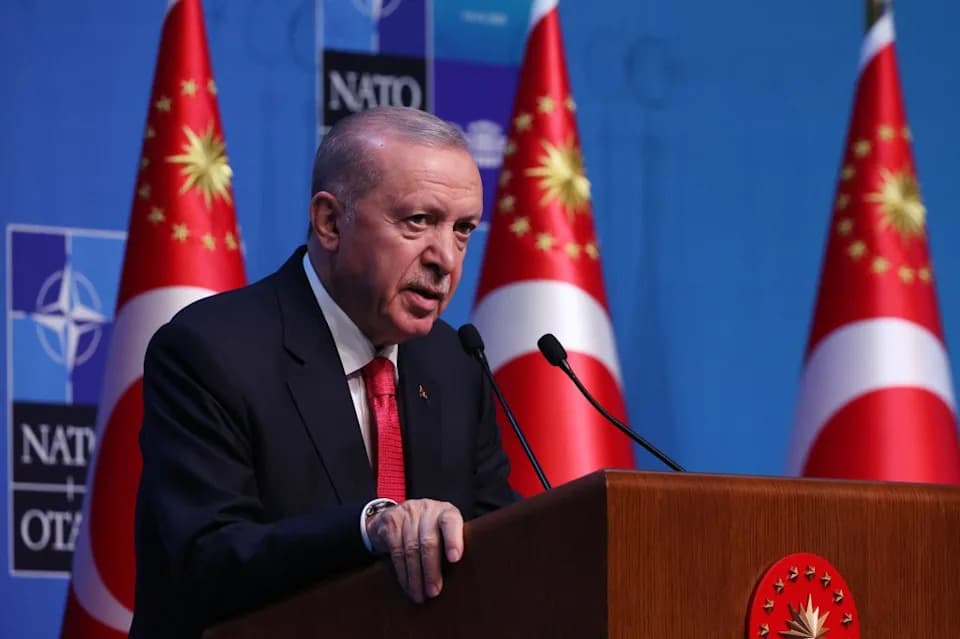
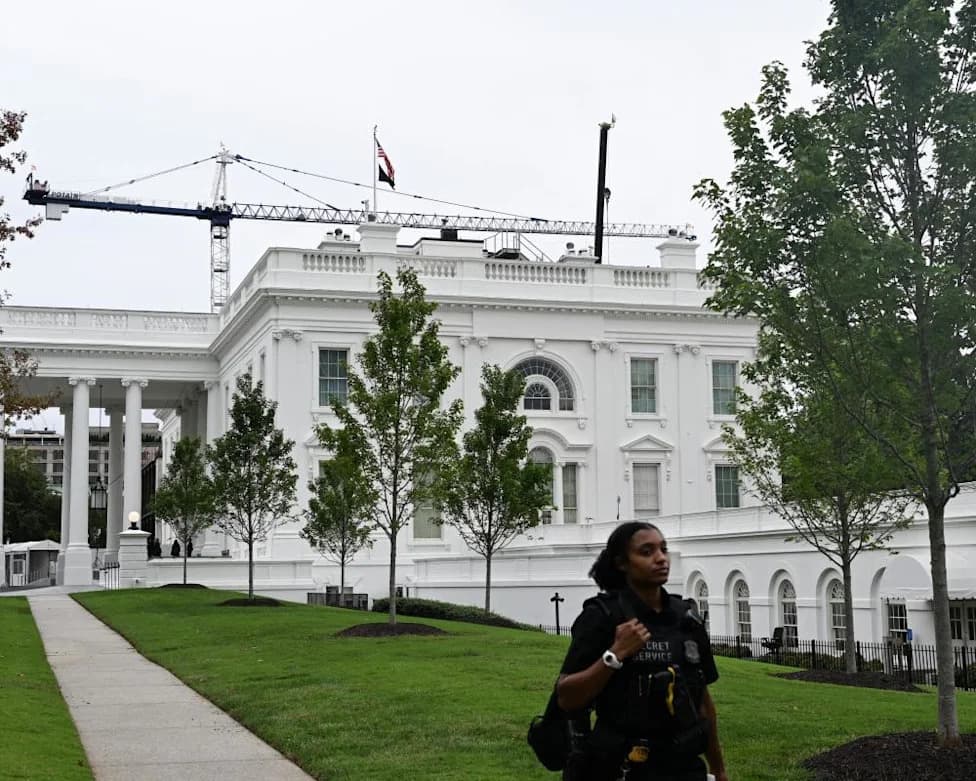
Polling shows growing public concern about political violence and a rising tendency to blame extreme rhetoric rather than lone "disturbed" actors. Major surveys (Pew, NBC, PRRI, Gallup and others) find bipartisan increases in worry and narrower partisan gaps than in prior years. Long-term data still point to right-wing violence as a larger problem, but recent incidents have pushed public perceptions toward a more even, contested view.
What Polls Reveal About Republicans, Democrats and Political Violence
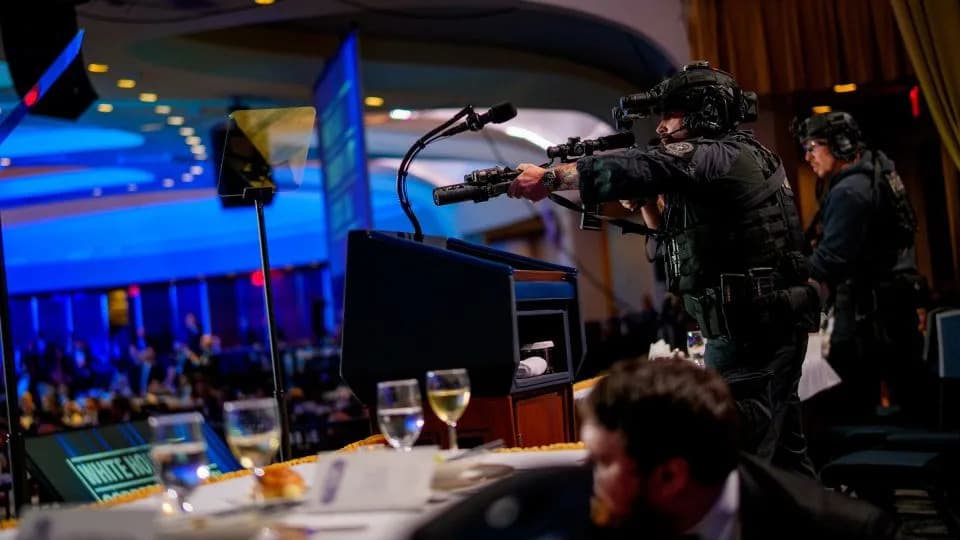
Armed Secret Service agents stand on stage during a shooting incident at the annual White House Correspondents Association Dinner at the Washington Hilton on April 25, 2026 in Washington, DC. - Andrew Harnik/Getty Images
Five years ago, supporters of President Donald Trump violently stormed the US Capitol after he amplified false claims about the 2020 election. His lawyer, Rudy Giuliani, urged a “trial by combat,” and Mr. Trump directed the crowd to march on the Capitol. After returning to office, he pardoned many who participated, including over 200 people who assaulted police.
How Americans See Political Violence
Today, Mr. Trump argues that Democrats have the greater problem with political violence. He repeated that claim after the killing of Charlie Kirk in September and again after a gunman was arrested outside the White House Correspondents’ Dinner. But national polling presents a more complex picture about how Americans assign blame and what they believe drives political violence.
Rising Concern And The Role Of Rhetoric
Polling after the Kirk killing found widespread alarm: a Pew Research Center survey reported that 85% of Americans said politically motivated violence in the United States was increasing. At the same time, there is growing bipartisan agreement that extreme political rhetoric plays a central role.
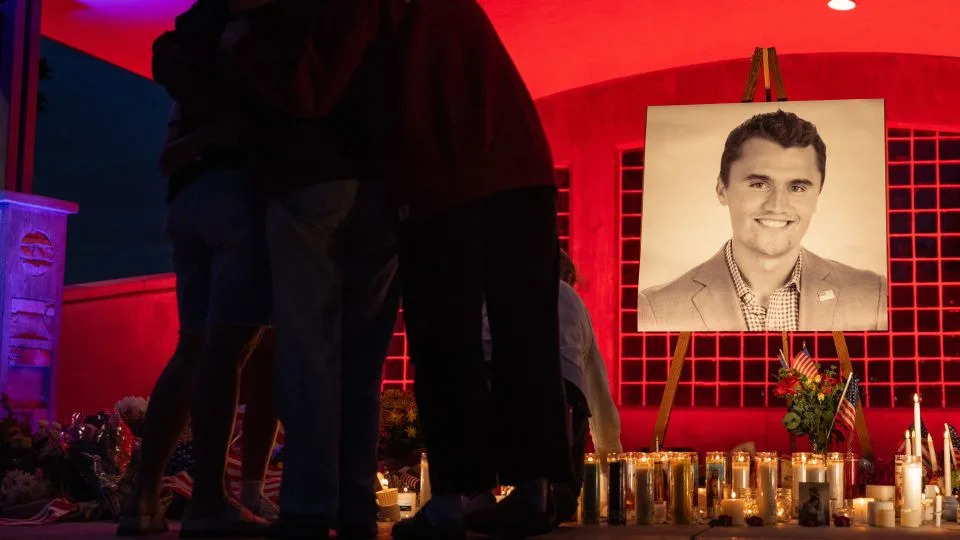
People pay their respects during a candlelight vigil for Charlie Kirk at a makeshift memorial at Orem City Center Park in Orem, Utah on September 11, 2025. - Melissa Majchrzak/AFP/Getty Images
NBC News tracking since 2011 asked whether major instances of political violence were caused more by "a disturbed person" or by "extreme political rhetoric." The share blaming rhetoric rose steadily: 24% in 2011 (after the Gabrielle Giffords shooting), 41% in 2017 (the congressional GOP baseball practice shooting), 49% in 2022 (the Paul Pelosi attack), 54% in 2024 (an assassination attempt on Mr. Trump in Butler), and 61% most recently (after the killing of Charlie Kirk). That most recent reading marked the first time majorities in both parties pointed to rhetoric rather than lone individuals as the primary driver.
Partisan Differences And Convergence
Historically, Democrats have been more likely to link harsh rhetoric and hate symbols to violent actions. A PRRI poll last year found 66% of Democrats and 46% of Republicans said violent language and hate symbols contribute "a lot" to violent actions — up from 26% of Republicans in 2019. While Republicans still push back on claims that their side is primarily responsible, many Americans continue to fault Republican rhetoric: an October Gallup poll found 69% of respondents said Republicans and their supporters had "gone too far" with inflammatory language, versus 60% who said the same of Democrats. A Washington Post-ABC News poll similarly showed more Americans blamed Republicans (34%) than Democrats (28%) for the risk of politically motivated violence.
Who Carries Out Political Violence?
Long-term data indicate right-wing political violence has been a larger problem than left-wing violence. Still, some sources — including research cited by the Cato Institute — suggest left-wing attacks have risen recently. High-profile episodes such as attempts on Mr. Trump and the killing of Kirk have pushed public opinion toward viewing violence as more bipartisan.
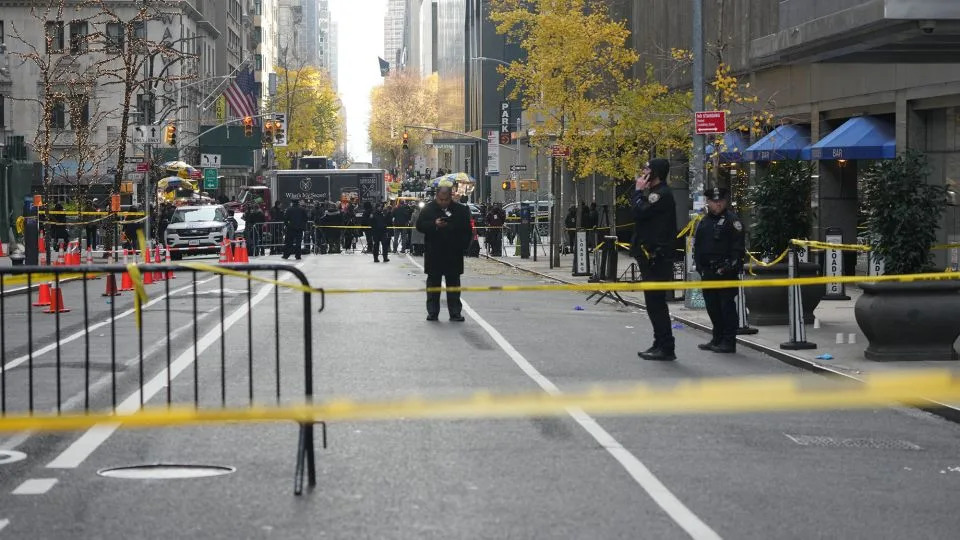
Police respond as CEO of UnitedHealthcare Brian Thompson, 50, was shot as he entered the New York Hilton after 6:45am on December 4, 2024 in New York. - Bryan R. Smith/AFP/Getty Images
Recent polls show this convergence: 44% of Americans in a PRRI survey said right-wing groups were responsible for most political violence, while 41% pointed to left-wing groups. Pew data found 52% view right-wing extremism as a "major problem" and 53% said the same of left-wing extremism. Other polls (Marquette, Reuters-Ipsos) report similarly close, margin-of-error differences about which side is the bigger threat.
Attitudes Toward "Justified" Political Violence
For years, Republicans were far more likely to endorse the idea that violence could be justified under some political circumstances. That gap has narrowed substantially. PRRI recently found 17% of Democrats and 19% of Republicans agreed that things are so off-track that "true American patriots may have to resort to violence in order to save our country." A Marquette Law School poll found 13% of Democrats and 10% of Republicans said violence can be justified to achieve political goals. Pew and Reuters polling also show majorities in both parties reject groups that advocate violence and reject threats or intimidation to achieve political aims.
Conclusion
Overall, Americans are more worried about politically motivated violence than in the past and increasingly blame extreme rhetoric for fueling it. While historical data have shown right-wing violence to be the larger problem, recent events and shifting attitudes have narrowed partisan divides: many now see political violence as a bipartisan concern, even as a plurality continues to fault Republican rhetoric more than Democratic rhetoric.
Data Notes: Polling cited includes Pew Research Center, NBC News tracking, PRRI, Gallup, Washington Post-ABC News, Marquette Law School, Reuters-Ipsos and others. Reported percentages reflect those surveys' published results; close margins reflect differences within typical sampling error.
Help us improve.