The Department of Justice's bid to collect unredacted state voter rolls has been blocked by federal judges in several states ahead of the Nov. 3 midterms, with courts citing privacy, statutory and constitutional concerns. The DOJ says it reviewed about 60 million records and identified thousands of potentially problematic entries, but judges and voting-rights advocates warn of federal overreach and the risk of disenfranchisement. The department is appealing some losses and faces roughly 25 related cases, raising the prospect of Supreme Court review.
Judges Rebuke DOJ's Bid For State Voter Rolls Ahead Of Midterms, Citing Privacy And Constitutional Limits

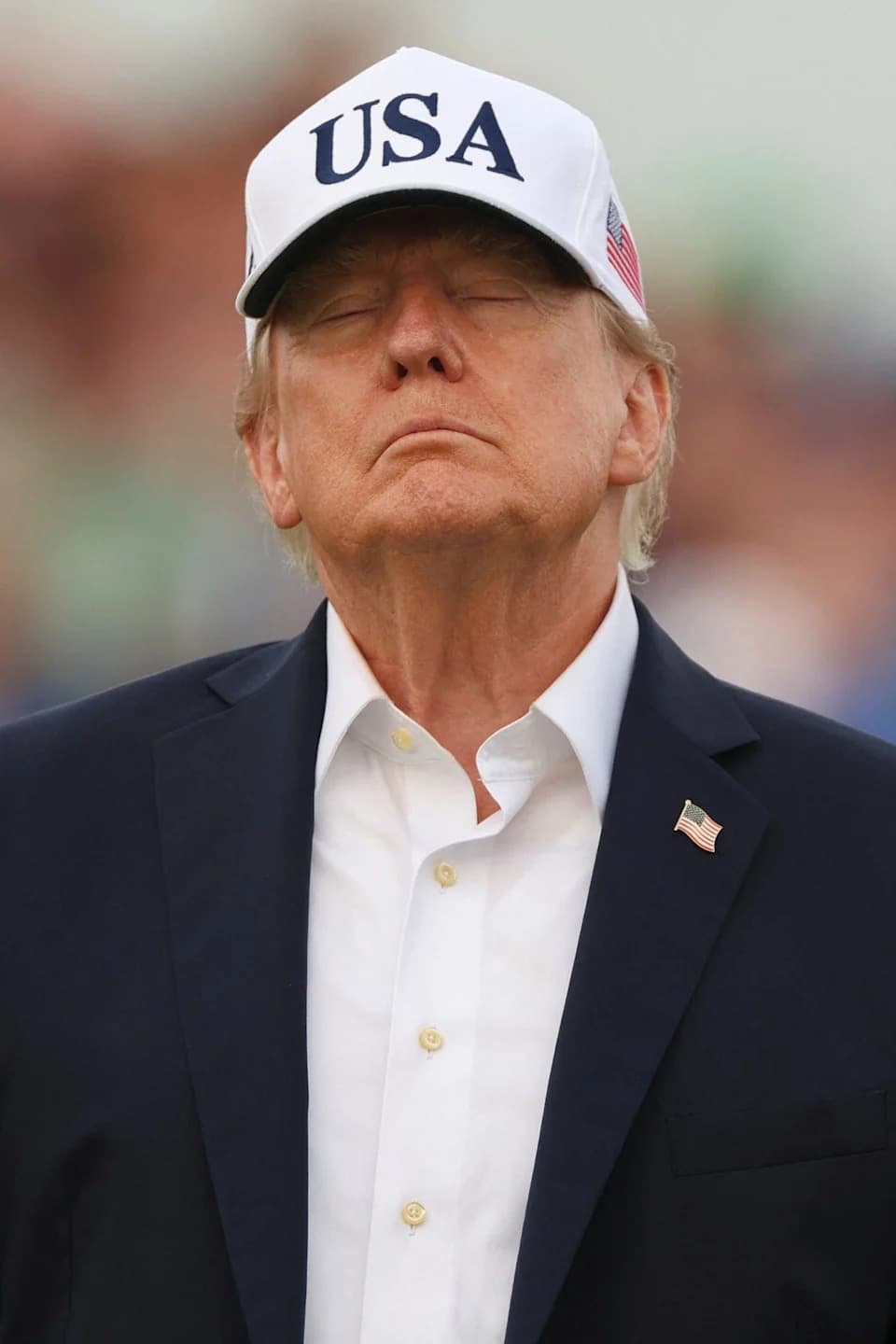
U.S. President Donald Trump holds a press briefing at the White House in Washington, D.C., U.S., April 25, 2026 REUTERS/Jonathan Ernst
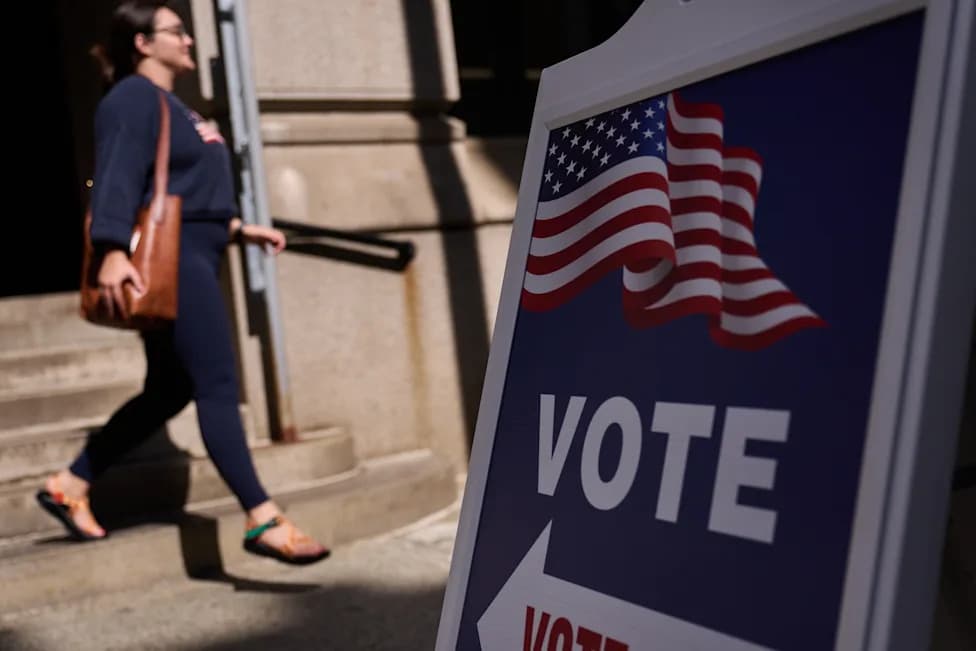
As the U.S. prepares for the Nov. 3 midterm elections, federal judges in multiple states have blocked the Department of Justice's efforts to collect unredacted state voter rolls — including partial Social Security numbers — dealing a setback to an unprecedented federal push to expand oversight of state election administration.
Court Rulings And Legal Context
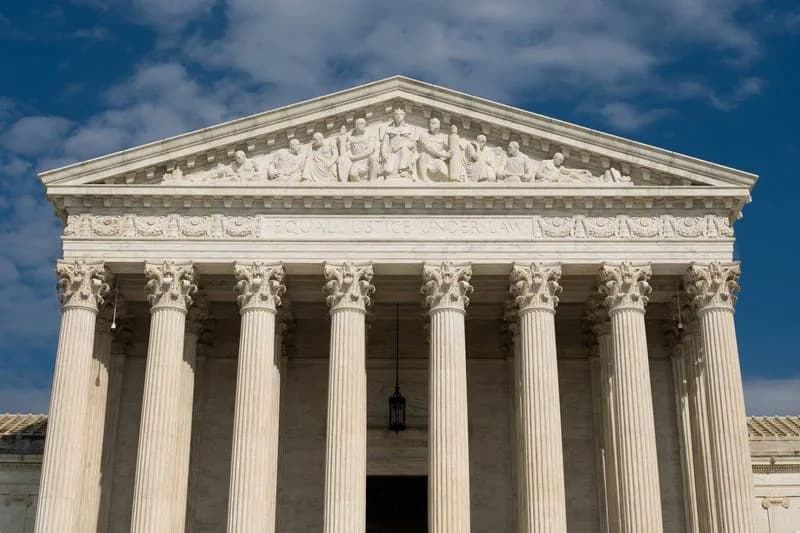
So far this year, judges in California, Massachusetts, Michigan, Oregon and Rhode Island dismissed or limited Justice Department lawsuits seeking full voter-registration files. Four judges concluded the DOJ had not adequately explained why it needed unredacted data to oversee state elections; a fifth judge, Hala Jarbou (a Trump appointee), found the department’s rationale plausible but said the statutes invoked did not require states to turn over the rolls.
“The Department of Justice seeks to use civil rights legislation which was enacted for an entirely different purpose to amass and retain an unprecedented amount of confidential voter data,” wrote Judge David Carter in one decision.
What The DOJ Says
The Justice Department has sent letters to nearly every state requesting voter files and explanations of procedures for removing ineligible registrants such as deceased persons, felons and non-citizens. DOJ Civil Rights Division head Assistant Attorney General Harmeet Dhillon has said the department reviewed about 60 million records and identified roughly 350,000 names of deceased registrants and 25,000 people who allegedly lack proof of citizenship; she has signaled readiness to appeal losses up to the Supreme Court.
Concerns From Voting Rights Advocates And Legal Experts
Voting-rights groups and intervening attorneys argue the requests risk privacy violations, federal overreach and potential disenfranchisement if states purge registrants based on imperfect cross-checks. Renata O'Donnell of the Campaign Legal Center warned outside databases may not reflect subsequent naturalizations and that eligible voters could wrongly lose access to the ballot.
Critics also say the initiative reflects a political strategy to narrow the electorate rather than a response to demonstrated widespread fraud; multiple audits and academic studies find voter fraud is rare. Observers note that even repeated courtroom losses could be used politically to cast doubt on election legitimacy.
Where The Cases Stand
The department voluntarily received rolls from 17 states but sued dozens that refused. It is appealing at least three rulings and faces about 25 related cases that remain pending. With a conservative majority on the Supreme Court, the DOJ has indicated it may seek higher-court review of lower-court defeats.
“He doesn’t have the levers, he doesn’t have the switch, there is nobody he can order to federalize the elections who will listen to him,” said Justin Levitt, a former DOJ elections lawyer.
Why It Matters
The disputes raise core questions about federalism, privacy and the proper use of civil rights statutes such as the Civil Rights Act of 1960, which was enacted to protect against racial discrimination in voting and to preserve registration records. Judges have warned that broad executive action to compile nationwide voter data would be a policy decision better suited to Congress than to the executive branch.
Reporting by Luc Cohen; editing by Alistair Bell. All facts are presented as reported in the original Reuters dispatch.
Help us improve.