The United Arab Emirates will leave OPEC on May 1, removing one of the alliance's largest producers and spare-capacity holders. OPEC+ — the broader cooperation of OPEC members and non-OPEC producers like Russia — supplied nearly half of global oil and oil liquids in 2025, though that share fell after disruptions linked to the Iran war. The UAE had been producing about 3.3 million bpd pre-conflict with technical capacity up to 4.5–5.0 million bpd. Its exit raises questions about how OPEC+ will manage output, spare capacity and global trade flows.
Explainer: UAE Quits OPEC — What It Means For OPEC+ and Oil Prices
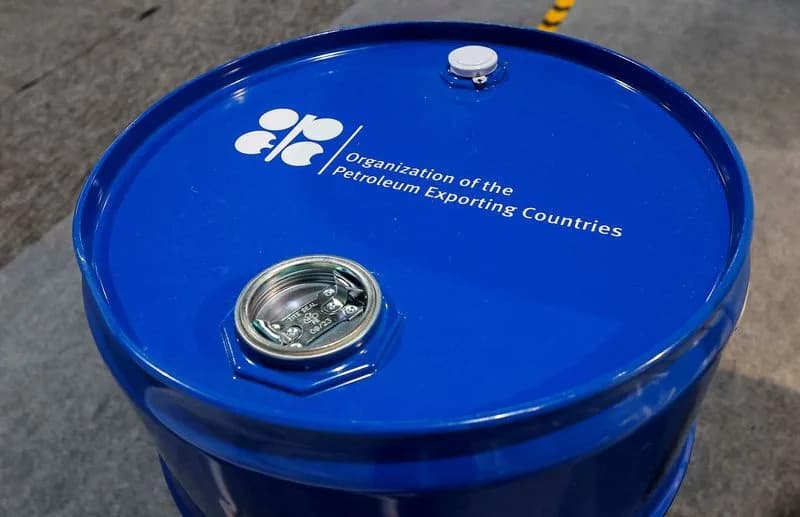
FILE PHOTO: An installation depicting barrel of oil with the logo of Organization of the Petroleum Exporting Countries (OPEC) is seen during the COP29 United Nations climate change conference in Baku, Azerbaijan November 19, 2024. REUTERS/Maxim Shemetov/File Photo
The United Arab Emirates, one of the largest producers inside the OPEC+ alliance, has announced it will leave OPEC on May 1. The move removes a major producer and spare-capacity holder from the organisation and raises questions about how OPEC+ will manage production, spare capacity and global oil flows going forward.
What Are OPEC and OPEC+?
The Organization of the Petroleum Exporting Countries (OPEC) was founded in Baghdad in 1960 by Iraq, Iran, Kuwait, Venezuela and Saudi Arabia to coordinate petroleum policies and support stable, fair prices. The UAE joined OPEC in 1967. In 2016 OPEC formed a broader cooperation with about 10 non-members — including Russia — under the banner OPEC+ to increase market influence and coordinate supply.
OPEC+'s Market Share And Recent Shifts
At its peak in the 1970s OPEC supplied more than half of global crude. Over subsequent decades, non-OPEC supply growth reduced that share. The OPEC+ alliance boosted combined production to roughly 51.15 million barrels per day (bpd), or nearly 50% of global oil and oil liquids in 2025, according to the International Energy Agency (IEA). That share fell to about 44% in March after disruptions related to the Iran war.
Why The UAE Matters
Before the U.S.-Iran war at the end of February, the UAE was producing about 3.3 million bpd, with stated technical capacity of roughly 4.5–5.0 million bpd of crude and oil liquids. Alongside Saudi Arabia, the UAE has historically been an important spare-capacity holder that markets could rely on in tight conditions.
Supply Disruptions And Export Routes
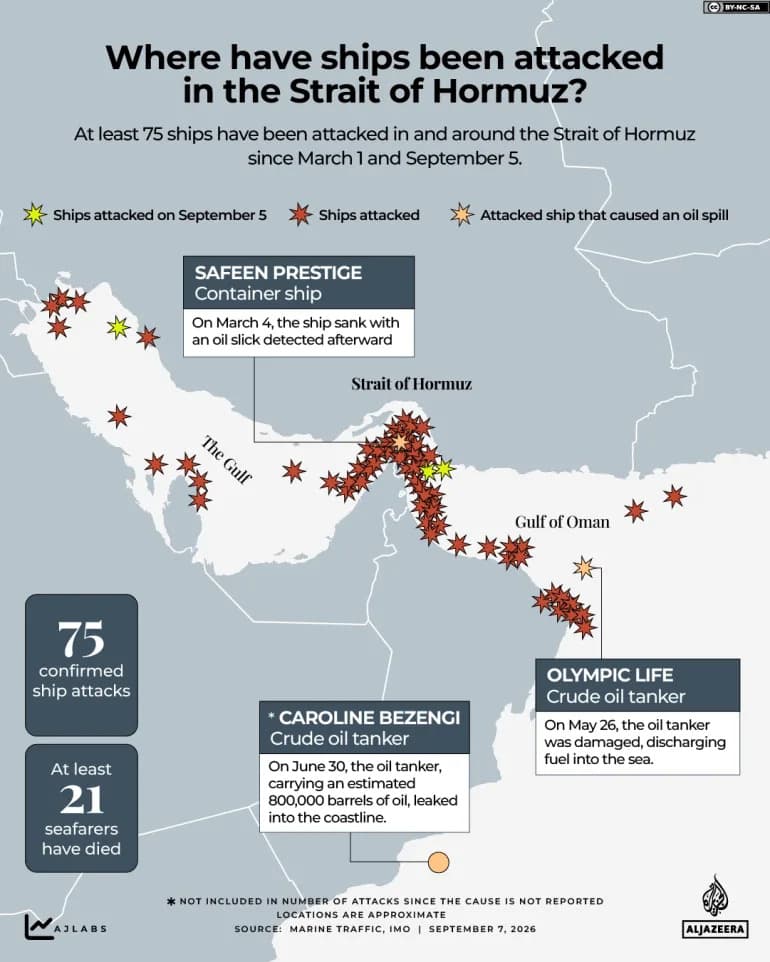
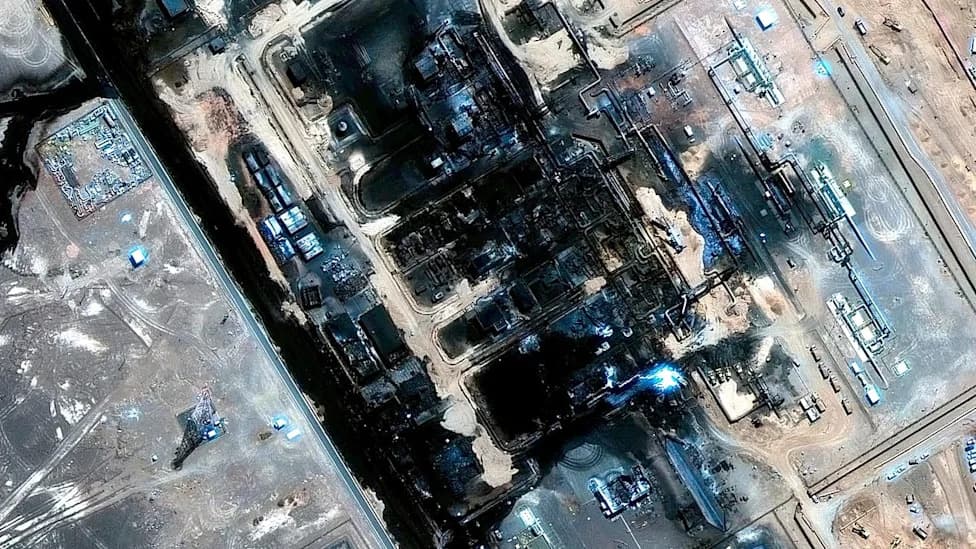
Disruption after the near-closure of the Strait of Hormuz has materially affected Gulf flows. OPEC reported that Gulf OPEC+ crude production fell by nearly 8 million bpd in March versus February as Saudi Arabia, the UAE, Kuwait and Iraq cut output amid export constraints. Some bypass routes exist: Saudi Arabia can move up to about 7 million bpd via a Red Sea pipeline, while the UAE can route approximately 1.5–1.8 million bpd via a pipeline to Fujairah.
How OPEC+ Influences Prices
OPEC+ says it adjusts output to balance markets; critics say the group can manipulate prices — an allegation the organisation denies. The group's influence has historical roots: during the 1973 Arab-Israeli war, an oil embargo by Arab OPEC members on countries supporting Israel contributed to sharp price rises and global economic disruption.
Trade Flows And Recent Data
Energy analytics firm Kpler estimated OPEC crude exports accounted for about 47% of global seaborne crude exports in 2025; that share fell to around 34.7% in March amid supply changes and disruptions. Russia and a set of non-OPEC producers — including Azerbaijan, Kazakhstan, Mexico, Oman and Brazil (which joined OPEC+ in early 2025) — remain part of the wider OPEC+ grouping.
What The UAE Exit Could Mean
The UAE's departure from OPEC removes its formal voice in OPEC decision-making and could alter how spare capacity and production are coordinated inside the alliance. Market participants will be watching for changes in OPEC+ policy, potential shifts in output targets, and effects on seaborne trade flows and prices.
Sources: Reuters reporting, International Energy Agency, OPEC, Kpler, World Economic Forum, U.S. Department of State.
Help us improve.