At least 20 people were killed and 36 injured in a bombing on the Pan-American Highway in Colombia's Cauca region, Governor Octavio Guzmán said. The victims included 15 women and five men; three remained in intensive care and five minors were reported out of danger. President Gustavo Petro blamed a 'narco-terrorist' group led by dissident ex-FARC commander Nestor Vera (Iván Mordisco). The attack — one of the deadliest in years — comes just over a month before the May 31 presidential election, where security is a top issue.
At Least 20 Killed in Deadly Highway Bombing in Colombia’s Cauca Region
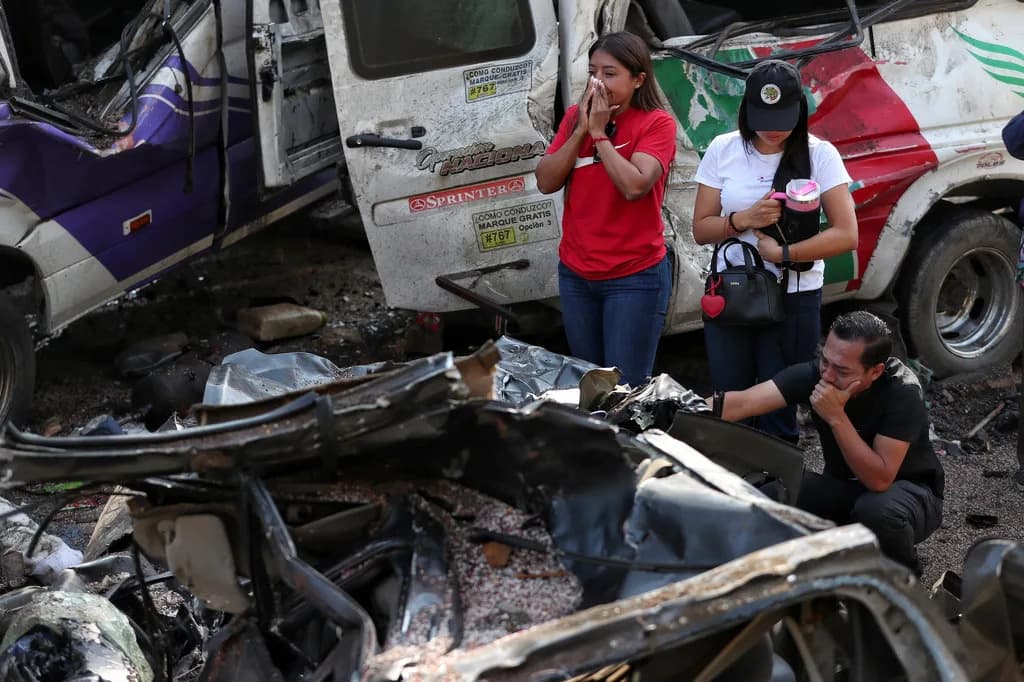
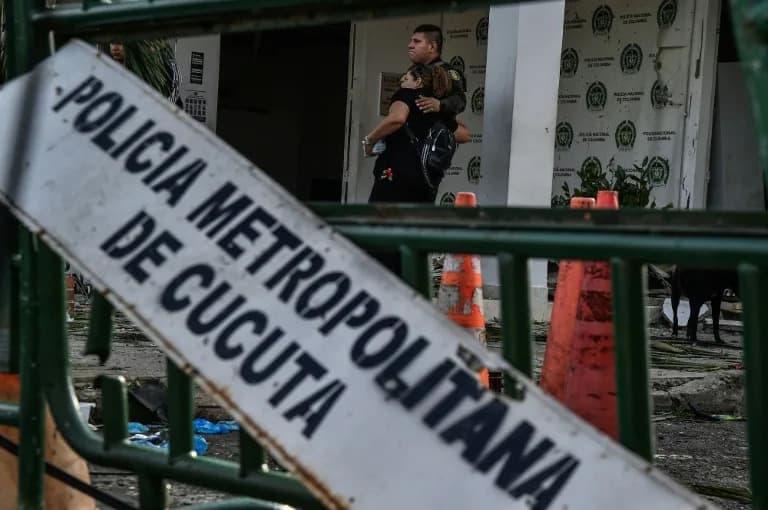
Relatives of victims pay respects at the site of a deadly attack on the Pan-American Highway in Cajibio, Colombia, on Sunday [Santiago Saldarriaga/AP Photo]
The death toll from a deadly bombing on a highway in southwestern Colombia's Cauca region has risen to at least 20, regional Governor Octavio Guzmán said. The explosion struck near a tunnel on the Pan-American Highway and left dozens injured.
Governor Guzmán said the fatalities included 15 women and five men. Authorities reported 36 people injured, including three who remained in intensive care and five minors who were later described as out of danger. Some media outlets later put the death toll at 21.
Dozens of mourners from nearby villages gathered in the town of Cajibío for a vigil. Dressed in white and waving white sheets and balloons as symbols of peace, they expressed grief and outrage.
“Please, no more death, no more violence,” Joao Valencia, 42, told the AFP news agency as he held up a photograph of a relative killed in the attack. “These kinds of women should die of old age, not have their lives taken from them in such a tragic way.”
Who Is Being Blamed
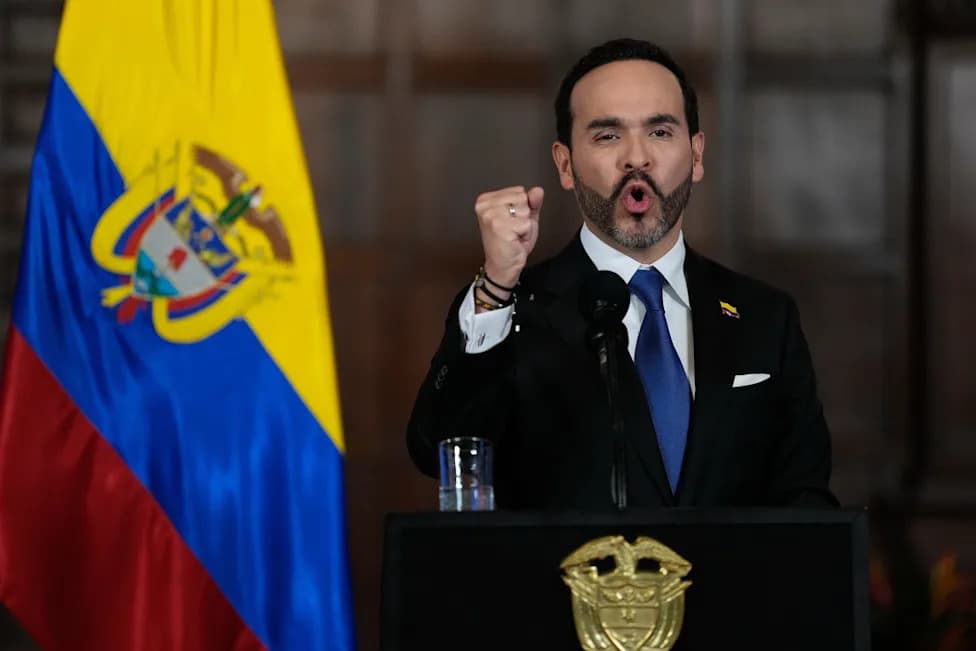
President Gustavo Petro publicly blamed a 'narco-terrorist group' and specifically named a criminal cell led by Nestor Vera, commonly known as Iván Mordisco. Mordisco is a dissident former member of the Revolutionary Armed Forces of Colombia (FARC), which signed a landmark peace agreement with the government in 2016, and is considered one of Colombia’s most wanted men.
Context and Impact
The bombing is among the deadliest attacks in Colombia in recent years, recalling the 2003 nightclub bombing in Bogotá that killed 36 people. The incident occurred just over a month before the May 31 presidential election, where security and violence are central campaign issues.
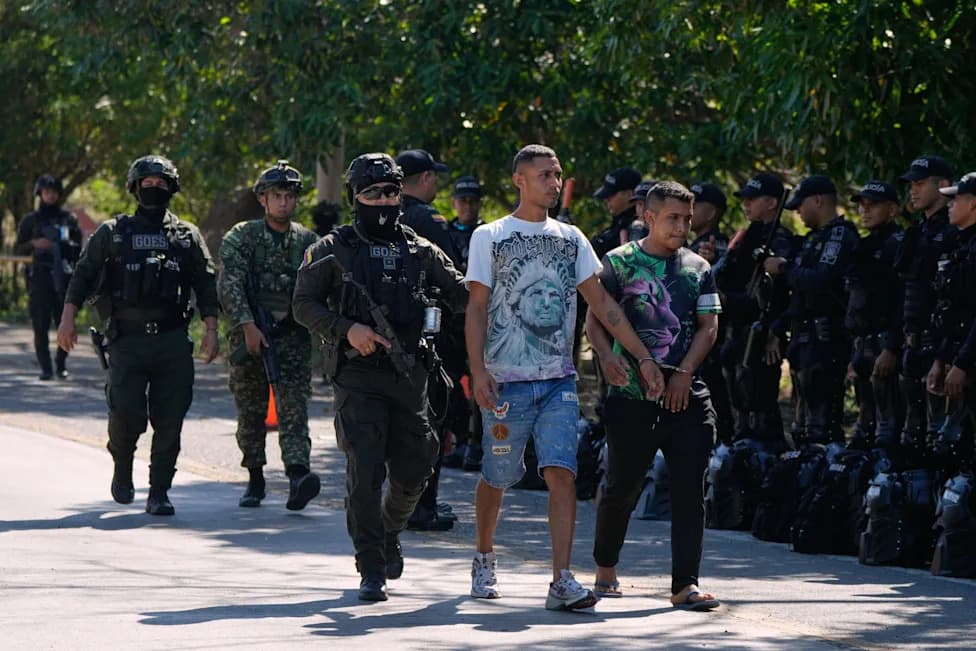
Authorities have launched investigations and security operations in the affected area. Officials have not yet released a full, confirmed account of motives or the number of suspects involved; the probe is ongoing and some figures may change as more information becomes available.
What We Know: At least 20 people killed (15 women, 5 men); 36 injured, including 3 in intensive care and five minors reported out of danger. Explosion occurred near a tunnel on the Pan-American Highway. President Petro blamed a group led by Iván Mordisco, a dissident ex-FARC commander. The attack has heightened election security concerns ahead of May 31.
Help us improve.