The AP investigation reveals that adopted children — roughly 2% of U.S. kids — make up an estimated 25–40% of youth in for-profit residential treatment programs. Many facilities market treatment for reactive attachment disorder (RAD), a diagnosis experts say is rarely appropriate for adolescents and often misapplied. Private equity has commercialized these centers, driving profit motives that can encourage understaffing, long stays and abusive practices. Survivors and a congressional report describe widespread mistreatment and even deaths at some properties.
AP Investigation: Adopted Children Disproportionately Confined in For‑Profit 'Troubled Teen' Programs
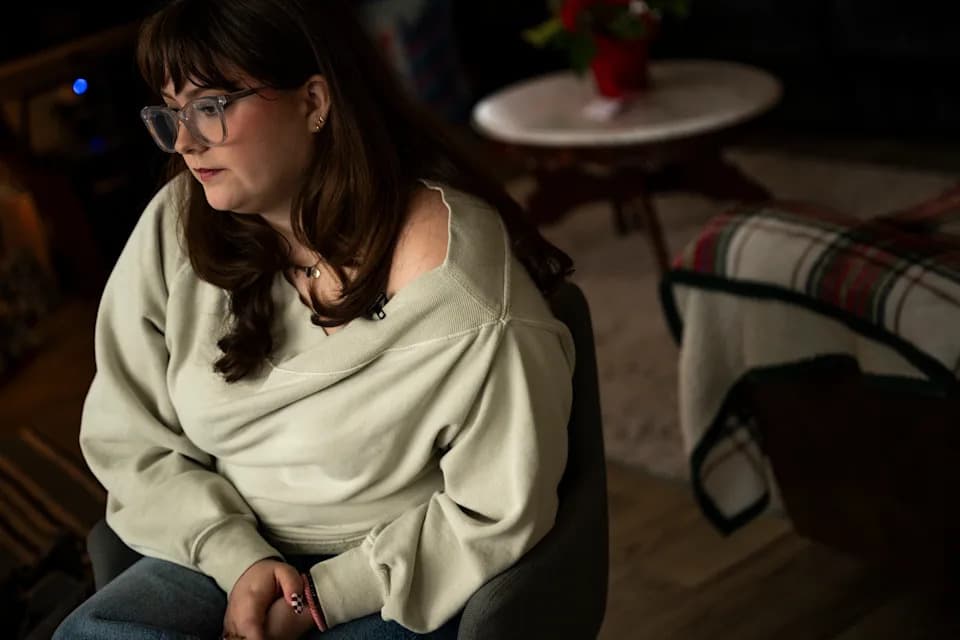
Kate poses for a portrait in her apartment in Kentucky, Wednesday, Dec. 10, 2025. (AP Photo/Michael Swensen)(ASSOCIATED PRESS)
An Associated Press investigation found that adoptees are heavily overrepresented in a sprawling, loosely regulated network of for-profit residential treatment centers, wilderness programs and boarding schools often described as the "troubled teen" industry.
Although adopted children make up roughly 2% of U.S. children, experts estimate they account for about 25–40% of young people in residential treatment. Many adoptees told AP reporters they feel they were funneled into a shadow system of institutional care: children promised permanent homes who instead spent months or years in restrictive, and sometimes abusive, facilities.
How the Industry Targets Adopted Youth
Hundreds of facilities advertise services specifically for adoption-related challenges. Many charge as much as $20,000 a month and market treatments for reactive attachment disorder (RAD), a diagnosis experts say is rarely appropriate for adolescents.

Kate goes through folders of writings and photographs from her time at Unita Academy and other residential programs in her apartment in Kentucky, Wednesday, Dec. 10, 2025. (AP Photo/Michael Swensen)(ASSOCIATED PRESS)
Psychologists interviewed by AP explain that RAD was defined for very young children who suffered extreme early-life neglect — for example, infants in understaffed orphanages who received almost no comforting contact. The Diagnostic and Statistical Manual (DSM) restricts RAD to children under 5 who are markedly withdrawn and do not seek comfort when distressed. Still, some providers and clinicians apply the label broadly to adopted preteens and teenagers with behavioral problems, even when the criteria are not met.
Commercialization and Profit Motives
Many programs began as small behavior-modification operations with roots in religious approaches. Over time, private equity and other investors have acquired and commercialized these centers, drawn by steady demand and attractive margins. Analysts cite typical profit targets near 20%, achieved by reducing staffing and encouraging longer stays — practices critics say are easier to pursue because these programs face far fewer regulations than other inpatient care settings.
AP identified at least 80 private facilities that advertise treatment for adoption-related issues. One private equity–backed operator, Family Help & Wellness, runs more than a dozen centers and faces multiple lawsuits alleging abuse; two of its North Carolina properties closed after children died.
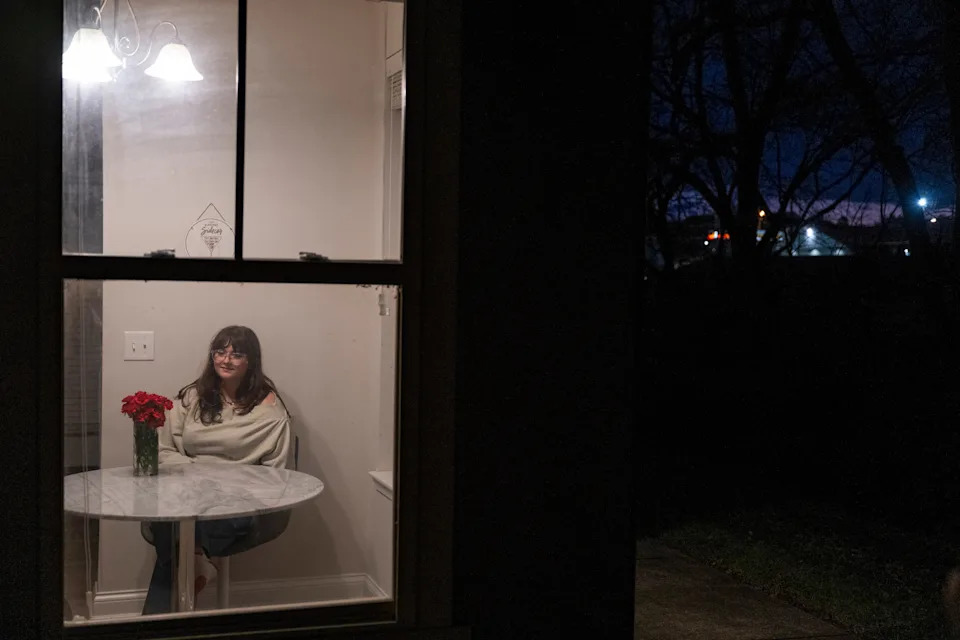
Kate poses for a portrait in her apartment in Kentucky, Wednesday, Dec. 10, 2025. (AP Photo/Michael Swensen)(ASSOCIATED PRESS)
Allegations of Abuse and Congressional Scrutiny
Former residents described punitive discipline, excessive restraints and degrading punishments. A congressional investigation led by U.S. Sen. Ron Wyden called many centers "warehouses of neglect," finding chronic understaffing, improper physical restraints, inadequate mental-health care and widespread physical, sexual and emotional abuse.
"We were afraid all of the time," one former resident, identified only as Kate at her request, told the AP. She described being sexually assaulted at one facility, then arriving at another at age 13 and being physically restrained by staff when she panicked — pleading she couldn't breathe as she was held face-down on carpet.
What Experts Recommend
Clinicians and child-welfare experts urge caution: RAD should not be broadly applied to adolescents, and residential programs that promise quick fixes for complex, trauma-related behaviors should be viewed skeptically. Many specialists call for stronger regulation, better oversight, higher staffing standards and more evidence-based, community-based alternatives to long-term confinement.
The AP based its reporting on interviews with dozens of former residents and families, ex-employees, public officials, lawyers and experts, and reviews of hundreds of government and business records.
Note: The AP receives support from the Public Welfare Foundation for juvenile-justice reporting and is solely responsible for the content.
Help us improve.