This opinion piece argues that Ohio's juvenile system lacked the practical authority to keep a 16-year-old with a documented history of violence confined before he allegedly killed 14-year-old Rakeem Blair Jr. Records show escalating threats, weapons involvement, probation, and repeated flight from placements, yet Children Services retained only legal custody. The author calls for a narrow, judicially reviewed standard allowing secure placement for a small subset of high-risk juveniles — before a tragedy occurs.
A Dangerous Gap: How the Juvenile System Failed Before Rakeem Blair Jr.'s Death
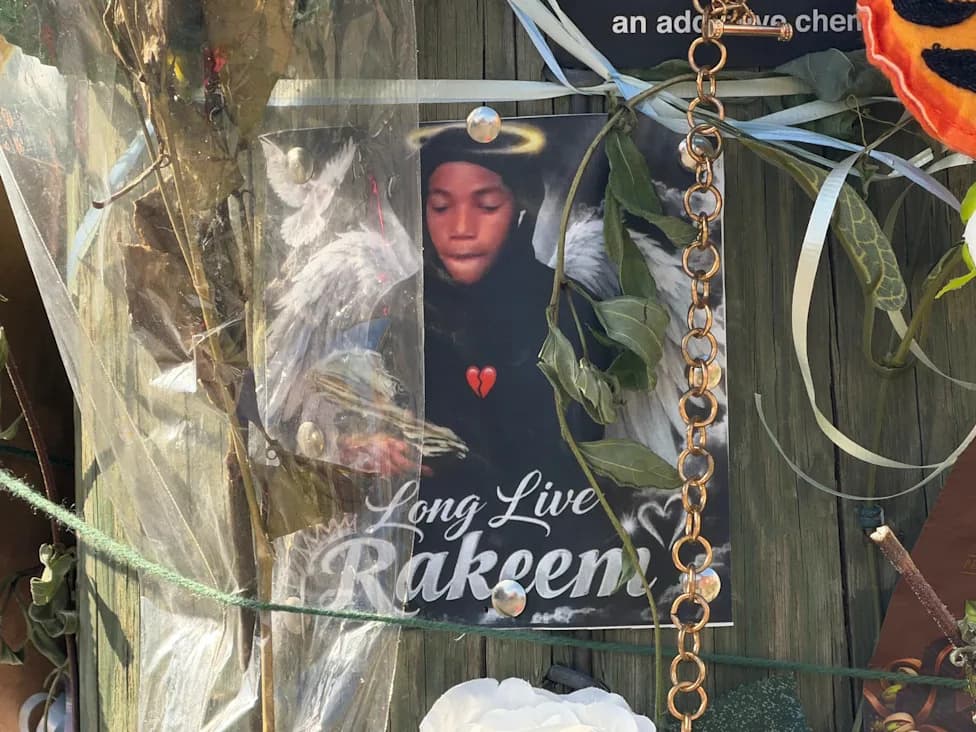
A memorial, pictured Aug. 24, 2026, for Rakeem Blair Jr., who was shot in East Price Hill stretches along street poles, pavement and a nearby vacant home.
The tragic death of 14-year-old Rakeem Blair Jr. highlights a painful shortcoming in Ohio's juvenile system: legal custody without the practical authority to keep a violent, high-risk minor confined before he allegedly committed a fatal act.
What Happened
Authorities say a 16-year-old, who had been under the legal custody of Montgomery County Children Services, was staying in a vacant house in East Price Hill when Rakeem — apparently thinking the house was abandoned — threw rocks at its windows. The teenager allegedly came outside and shot Rakeem in the face. What began as an impulsive act turned into a child's death.
Escalating Warning Signs
Records obtained by The Enquirer document more than two years of escalating problems. The teen was reportedly sent from Washington state to Ohio after his mother said she could no longer manage his behavior. He cycled through the homes of nonrelatives. One caregiver said he had taken her gun and that she could not safely keep him in the home. His mother later opposed his return after he allegedly threatened her life.
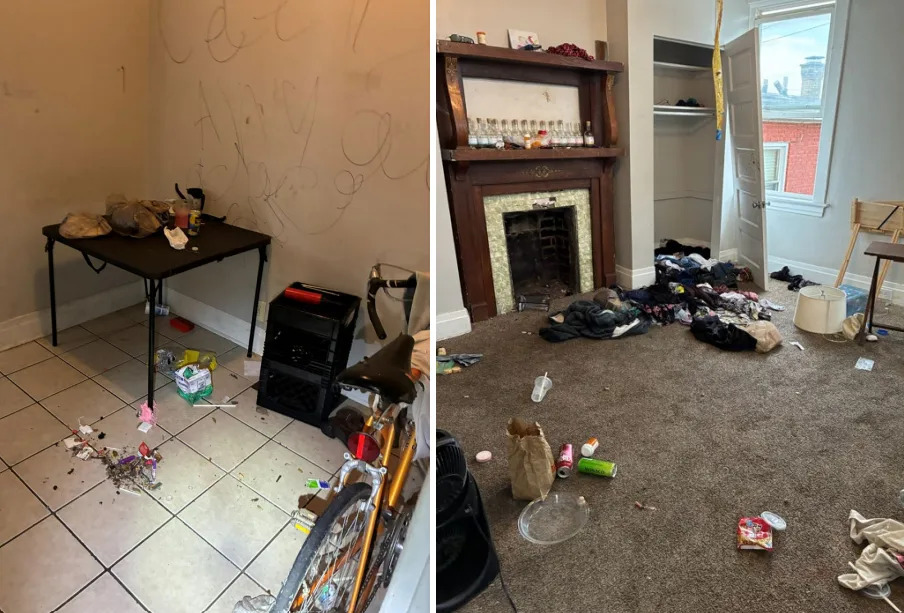
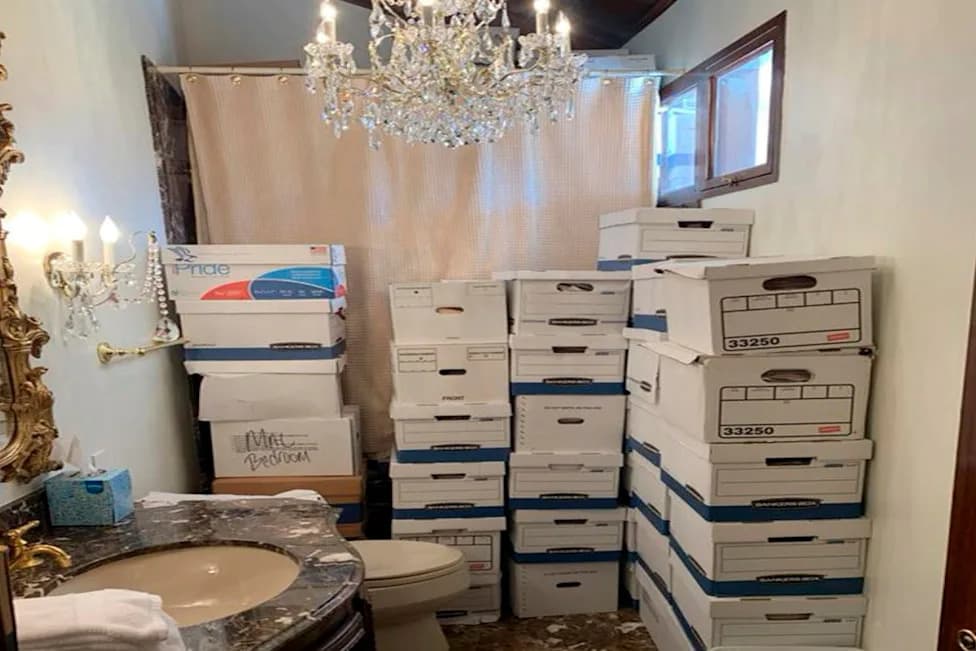
Photos from inside the house on Warsaw Avenue near where 14-year-old Rakeem Blair Jr. was killed this August.
Montgomery County Children Services assumed legal custody. Multiple juvenile court proceedings followed for property damage, a threat to shoot up a residential treatment facility, interference with first responders, and taking a vehicle without permission. A court placed him on probation, ordered school and counseling attendance, and instructed him to avoid firearms.
Failures Of Control
After release from juvenile detention in January, the teen was placed on electronic monitoring. Three days later he left his group home without permission and staff reported he had tried to remove the tracking device. By April he had again disappeared from a Children Services placement; a July court order noted he remained absent without leave. Caseworkers believed he was in Cincinnati and had spoken with him weeks earlier.
Through this period Children Services retained legal custody but lacked physical control. Then Rakeem was killed.
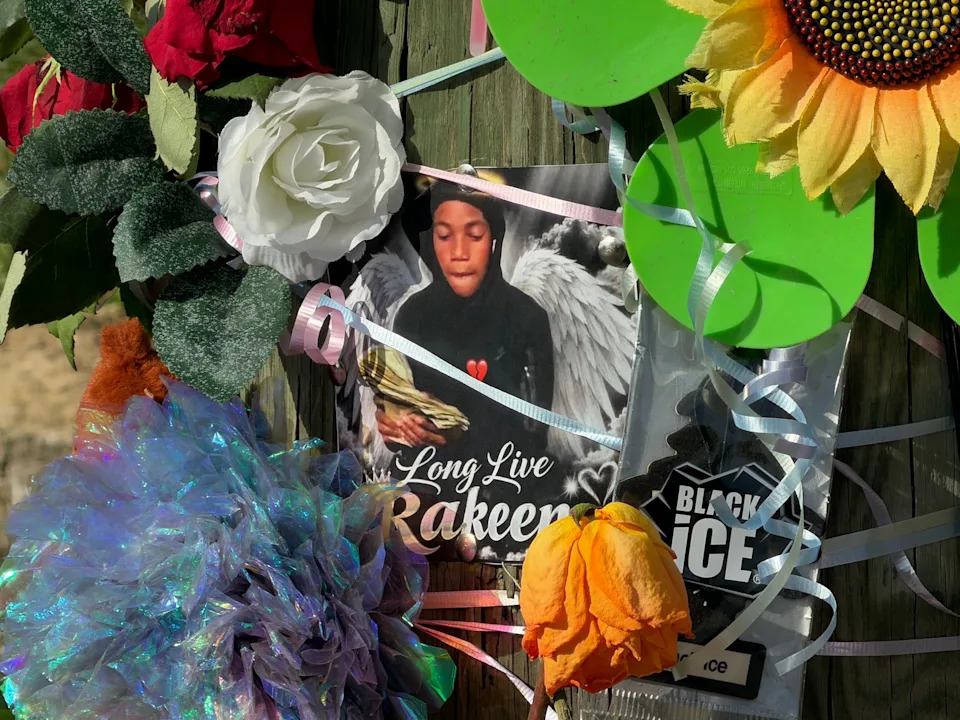
Memorial items and message seen Aug. 24, 2026 alongside a vacant home and the pavement in front of it memorializes Rakeem Blair Jr., a 14-year-old shot there a week earlier.
Law, Limits And Consequences
Juvenile law draws a bright line at age 18: the juvenile system emphasizes rehabilitation while the adult criminal system has greater power to confine for public safety. That distinction works for many teens but can be dangerous when applied rigidly to older minors who have documented histories of serious violence, weapons involvement, credible threats, and repeated flight from court-ordered placements.
Ohio law allows some juveniles charged with serious felonies to be transferred to adult court, and the teenager accused in this case may face such prosecution. But that authority typically activates only after a qualifying crime is charged — meaning it can affect punishment but does nothing to prevent a first fatal act.
There are several possible explanations for why the boy was not kept in a secure setting: his prior adjudications may not have met the legal threshold; no appropriate secure placement may have been available; or the court may have had but not exercised authority. Montgomery County juvenile court, the prosecutor, and Children Services should clarify which of these factors applied.

Dennis Doyle
A Narrow Fix Is Needed
Ohio should create a narrowly tailored, judicially reviewed standard that allows juvenile courts to order genuinely secure placement for minors who, through a documented pattern of violent behavior, weapon involvement, and repeated flight, demonstrate they will not remain in less-restrictive placements — and to do so before a tragedy occurs.
Juvenile law should remain grounded in a presumption of rehabilitation. Most young people deserve that chance. But protecting the public and preventing foreseeable violence requires a mechanism for handling the small number of minors who pose a demonstrated, ongoing danger and repeatedly abscond from placements.
Rakeem Blair Jr. paid with his life for the absence of such a mechanism.
Dennis Doyle lives in Anderson Township and is a member of the Enquirer Board of Contributors.
Help us improve.