Latino candidates are winning more local offices nationwide, with many becoming the first Latinos to hold those positions. Experts attribute the rise to sustained grassroots organizing and a heightened urgency sparked by anti‑immigrant rhetoric and policies. Local victories — from Lancaster to Lansing and Salt Lake City — show how proximity and community trust help electors deliver immediate change. Representation is also growing at state and federal levels, though Latinos remain underrepresented overall.
Latino Leaders Make Historic Gains in Local Office as Anti‑Immigrant Rhetoric Fuels New Urgency
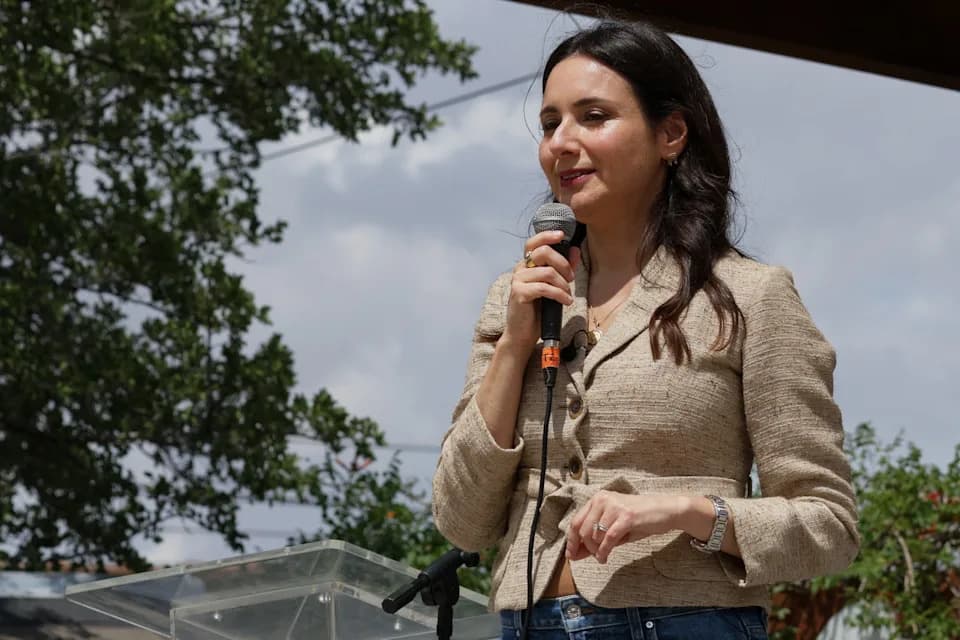
Lancaster Pa., Mayor Jaime Arroyo speaks with attendees at the ribbon cutting for a Finanta Credit Union in Reading, Pa., Wednesday, April 8, 2026. (AP Photo/Matt Rourke)(ASSOCIATED PRESS)
Rhetoric that dehumanizes immigrant and Latino communities has grown more visible in recent years, but it has not stopped Latinos from running for — and winning — elected office. Across the country, voters are electing increasing numbers of Hispanic leaders to local posts, many of them the first Latinos to hold those seats.
Political scientists and organizers point to years of grassroots work combined with a heightened sense of urgency spurred by anti‑immigrant rhetoric and policies during the Trump administration as key drivers of the surge in Latino candidates.
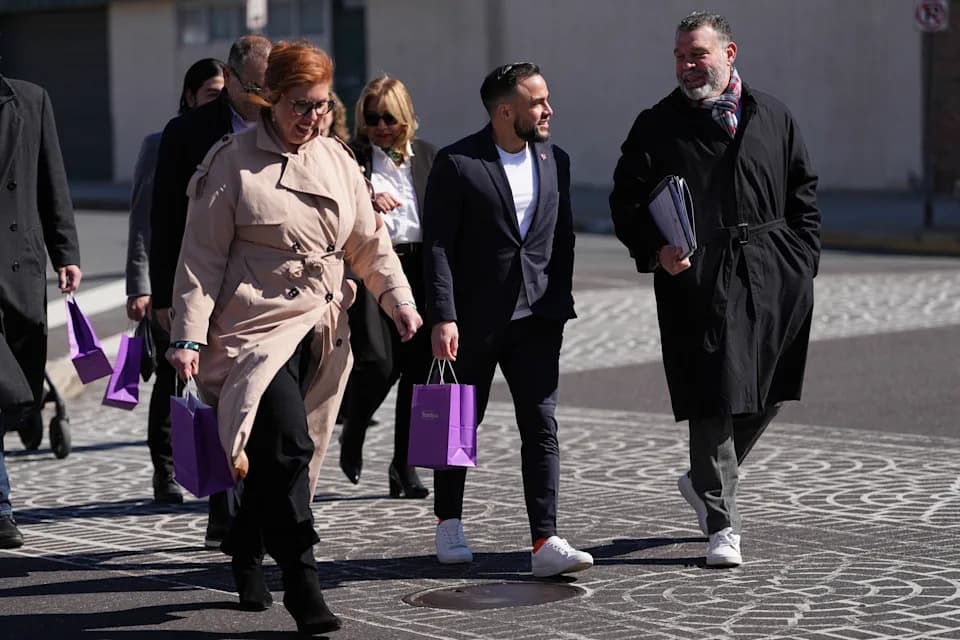
Lancaster Pa., Mayor Jaime Arroyo speaks with attendees at the ribbon cutting for a Finanta Credit Union in Reading, Pa., Wednesday, April 8, 2026. (AP Photo/Matt Rourke)(ASSOCIATED PRESS)
Rising Numbers And Local Impact
Data from the National Association of Latino Elected and Appointed Officials estimates roughly 7,700 Latino elected officials nationwide, up from 6,883 in 2020. Latinos are the largest ethnic minority in the U.S., numbering an estimated 55 million people — about 16% of the national population — yet they remain underrepresented in many offices.
Many newly elected officials say they ran to protect their communities and to amplify voices intimidated by hostile national rhetoric. Locally elected officials have responded with proposals to shield residents from aggressive immigration enforcement, block approval of ICE detention centers in their cities, and advocate for restrictions on federal immigration funding.
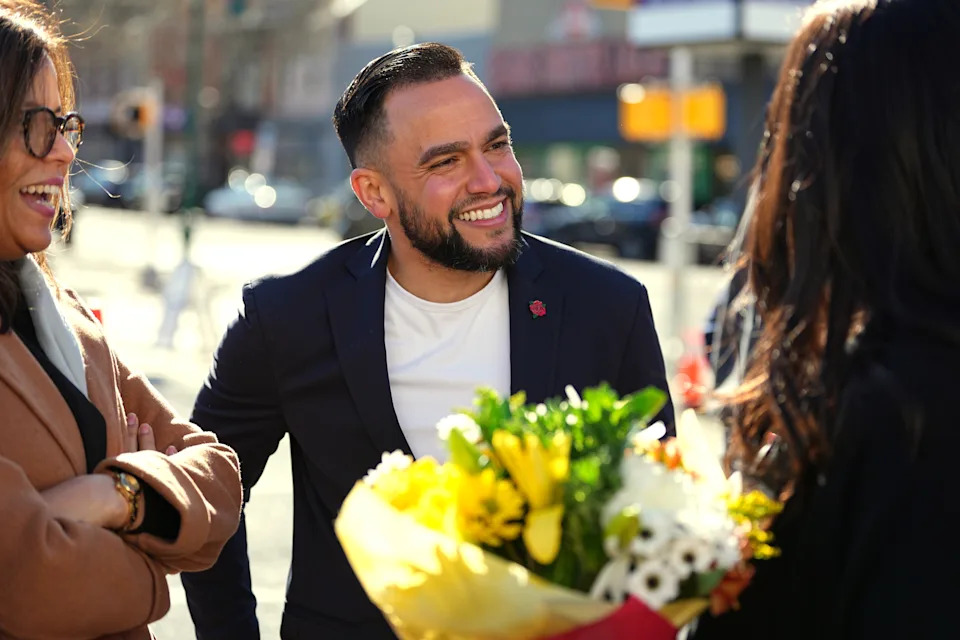
Lancaster Pa., Mayor Jaime Arroyo attends a ribbon cutting for a Finanta Credit Union in Reading, Pa., Wednesday, April 8, 2026. (AP Photo/Matt Rourke)(ASSOCIATED PRESS)
Historic Firsts Around The Country
Recent municipal elections produced several historic milestones. In Lancaster, Pennsylvania — a city with roughly a 40% Hispanic population — Jaime Arroyo was elected the city's first Latino mayor, taking office in January after capturing 85% of the vote. He credits decades of community organizing and civil‑rights work for enabling Latino leaders to win office.
Other recent firsts include:
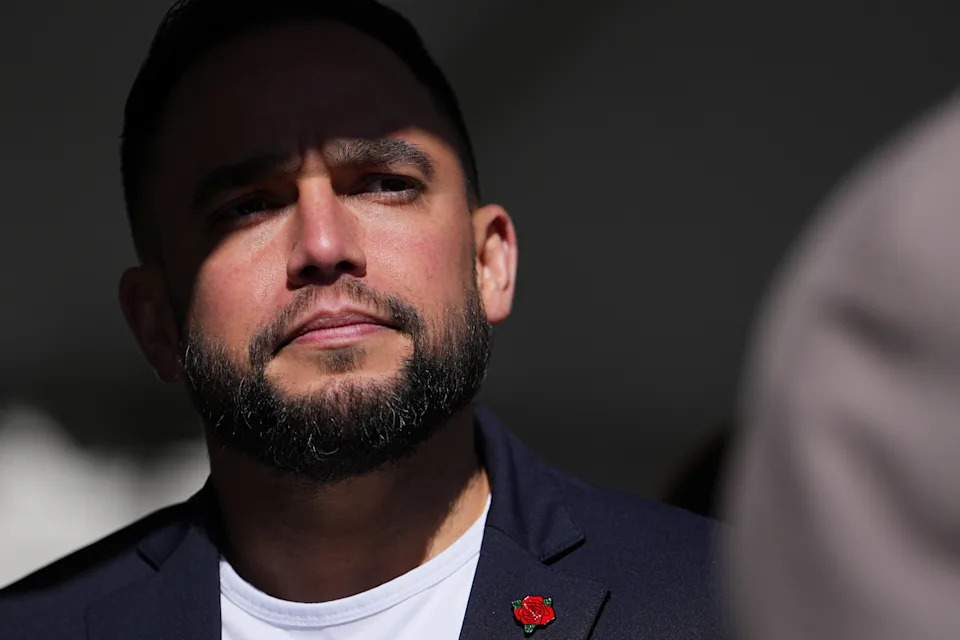
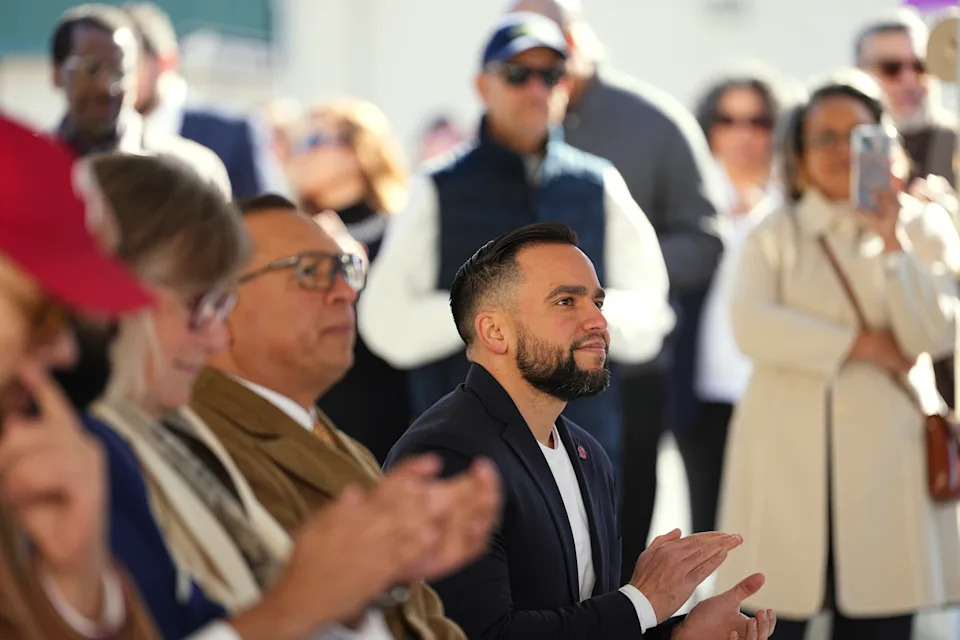
Lancaster Pa., Mayor Jaime Arroyo attends a ribbon cutting for a Finanta Credit Union in Reading, Pa., Wednesday, April 8, 2026. (AP Photo/Matt Rourke)(ASSOCIATED PRESS)
- Rob Barron, sworn in Jan. 12 as the first Latino on the Des Moines City Council (Iowa).
- Antonio Pacheco, sworn in Jan. 7 as Conyers, Georgia's first Latino city council member.
- Eileen Torres and Sabrina Gonzalez, who became Lorain, Ohio's first Mexican American and first Puerto Rican women to win city council seats, respectively.
- Clara Martinez and Deyanira Nevarez Martinez, sworn in Jan. 1 to Lansing's City Council, making Lansing the first U.S. city with a majority‑Latino council.
- Salt Lake City’s council reaching a Latino majority after Erika Carlsen — the granddaughter of Mexican immigrants — was sworn in Jan. 5.
Why Local Office Matters
Newly elected Latino leaders emphasize that local government — city halls, school boards and neighborhood councils — is where many immediate changes take place. Erika Carlsen called local office a place to build on earlier generations' leadership and to deliver tangible improvements for residents.
Carolina Welles, executive director of The First Ask, notes that Latino candidates often succeed locally because they can build trust through proximity and shared experience with voters.
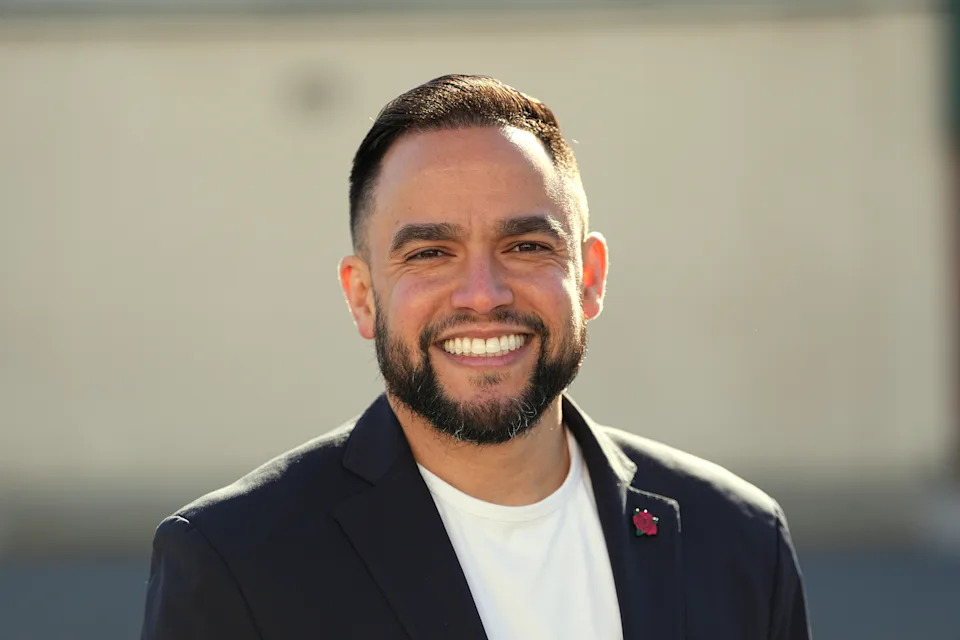
Lancaster Pa., Mayor Jaime Arroyo poses for a photograph in Reading, Pa., Wednesday, April 8, 2026. (AP Photo/Matt Rourke)(ASSOCIATED PRESS)
Representation At State And Federal Levels
Latino representation is also increasing beyond city halls. The 119th Congress includes 56 Hispanic or Latino members, about 10.35% of total membership, according to the Congressional Research Service — a marked increase from 40 years ago, when the 99th Congress had just 14 Hispanic or Latino members, all male. At the state level, Latinas set a record with 214 state legislative seats (about 2.9%), up from 192 the year before.
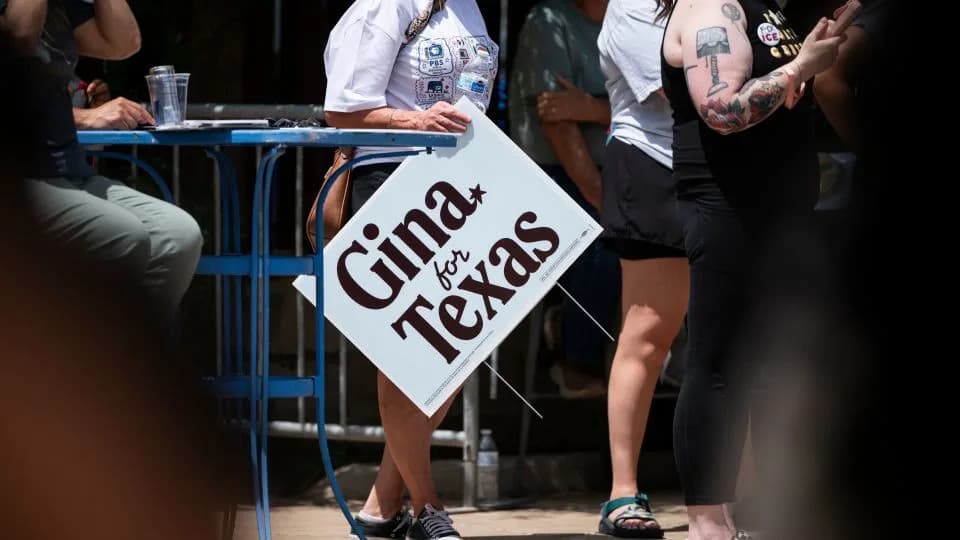
New Mexico Gov. Michelle Lujan Grisham remains the only active Latina governor in the U.S. Historically, only two Latinas have been elected governor, both in New Mexico. In Texas, Gina Hinojosa won the Democratic nomination for governor, making her the second Latina to win a major‑party gubernatorial nomination in that state.
Outlook
“There’s this extra incentive of an unrelenting attack on Latinos across the country,”
said Anna Sampaio, an ethnic studies professor at Santa Clara University. She argues that sustained attacks have both terrorized and mobilized Latino communities, making it likely that more Latinos will run for local, state and national office in the coming years.
As these newly elected officials take office, many say their priority is to translate local victories into concrete protections and services for their communities, reinforcing the idea that change often begins at the neighborhood level.
Help us improve.