The mysterious golden orb found two miles below the Pacific off Alaska in 2023 has been identified as a cuticle secreted by an anemone-like animal, Relicanthus daphneae. Microscopy revealed spirocyst nematocysts typical of Hexacorallia, and genetic tests confirmed the presence of R. daphneae DNA. The study, posted on bioRxiv, has not yet been peer-reviewed, and the species' exact taxonomic placement remains unresolved. Finding these golden cuticles may help map the animal's true distribution.
Scientists Solve Mystery Of Golden Orb Found Two Miles Deep Off Alaska — It’s A Deep‑Sea Anemone Cuticle
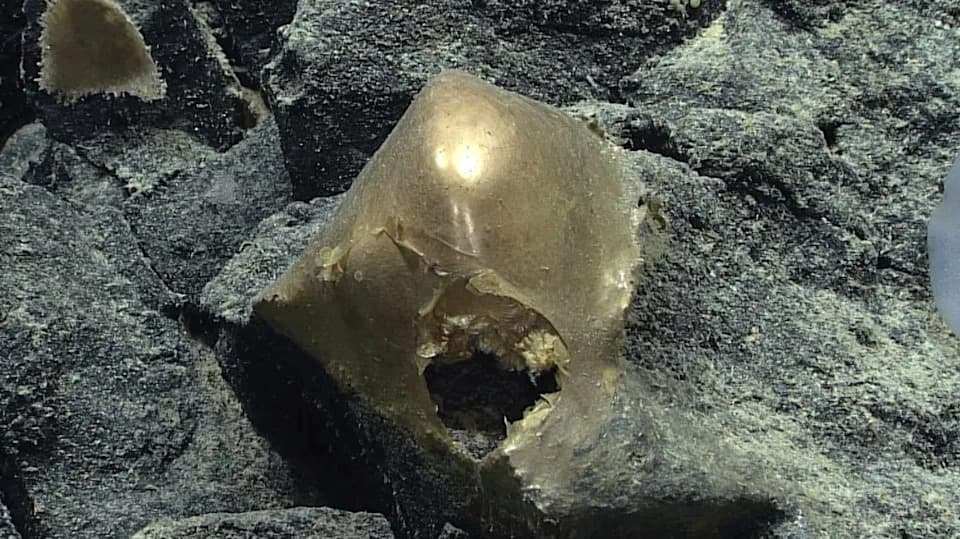
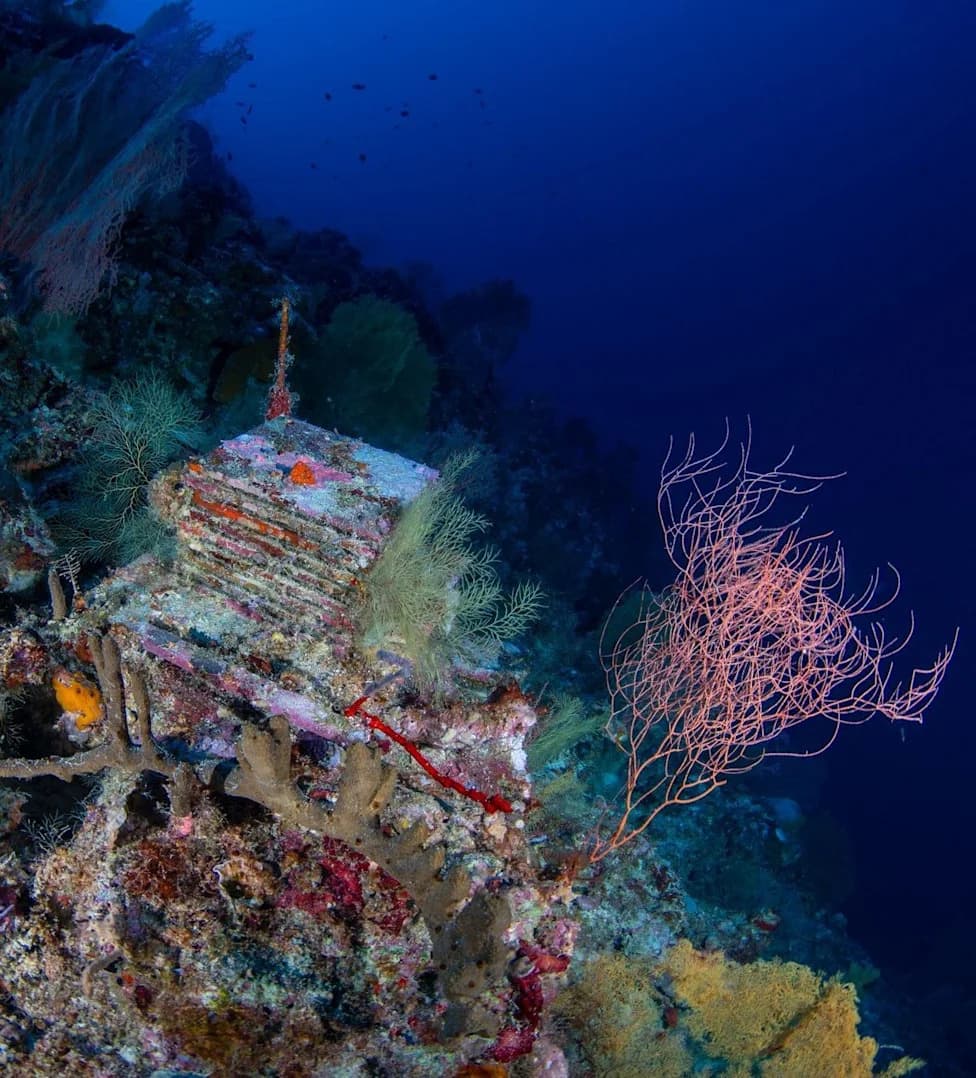
Credit: NOAA Ocean Exploration, Seascape Alaska.
What looked like a mysterious golden blob two miles beneath the waves has finally been identified. In 2023, NOAA's Seascape Alaska 5 expedition recovered a smooth, shiny, golden object firmly attached to rock about 3.2 kilometers below the surface. The remotely operated vehicle on the research ship Okeanos Explorer retrieved the specimen, but initial inspection left researchers puzzled.
Clues Under The Microscope
Microscopic examination revealed the tissue contained nematocysts — the stinging cells that define the phylum Cnidaria — and specifically spirocysts, stinging organelles characteristic of Hexacorallia (the group that includes sea anemones and corals). That narrowed the likely source to anemone-like organisms.
Genetics And Expert Analysis
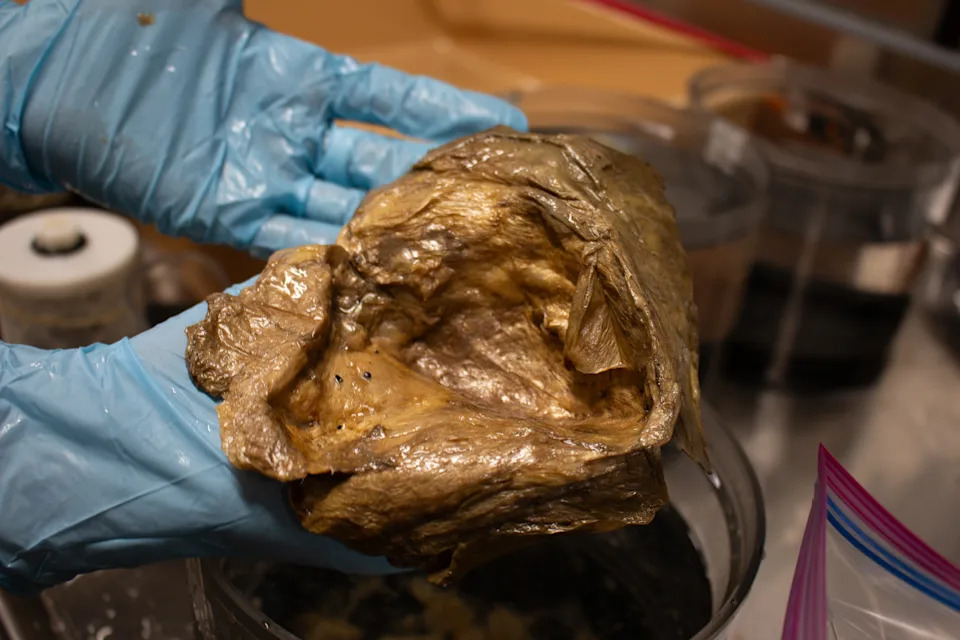
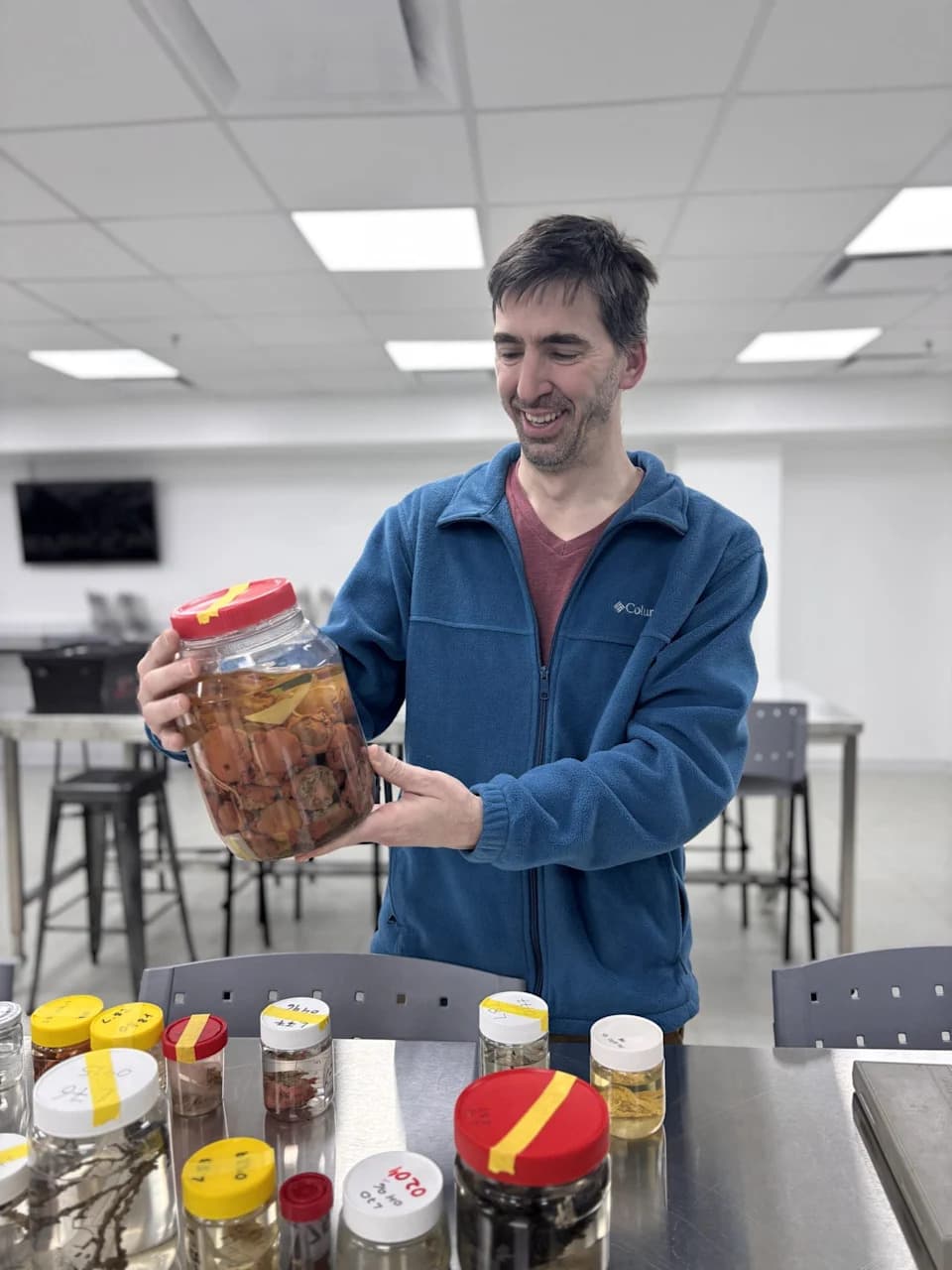
A close up image of the “golden orb” in the lab of the Smithsonian Institution. The orb was found on the seafloor off Alaska in 2023. | Credit: NOAA Fisheries
Genetic testing of the sample detected DNA from many microbes and from an anemone-like organism, Relicanthus daphneae. Estefanía Rodríguez, a co-author and curator who has worked extensively with R. daphneae, recognized the tissue as a cuticle — a secretion used by the animal to cement itself to rock. In other words, the "golden orb" is not an egg or sponge but the leftover attachment layer produced by the animal.
"The first thing we were looking for was gross anatomy... And we didn't find any of that," said Allen Collins, lead author and zoologist at the Smithsonian National Museum of Natural History. Microscopy and genetic evidence together solved the mystery.
Taxonomy And Distribution
Scientists have not reached full consensus on where R. daphneae sits in the tree of life. Genetic studies suggest it may belong to a lineage separate from true anemones, so it is often described as "anemone-like." Rodríguez maintains the species appears morphologically to be an anemone but notes more specimens are needed to resolve its classification.
So far, R. daphneae has mainly been observed near hydrothermal vents in the Pacific, Southern and Indian oceans — locations frequently visited by deep-sea researchers. Experts say this may bias our view of the species' range; now that scientists know these animals leave behind conspicuous golden cuticles, researchers may be able to better map their distribution.
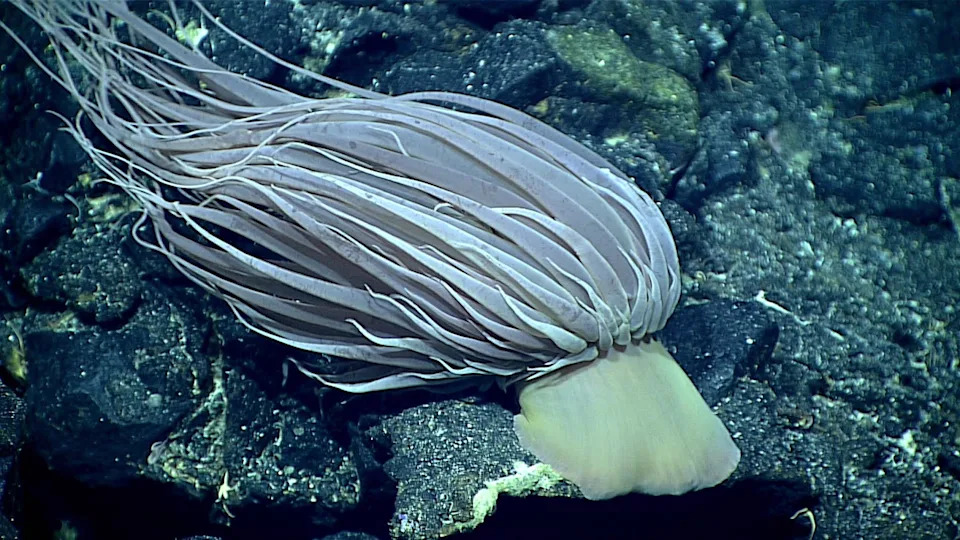
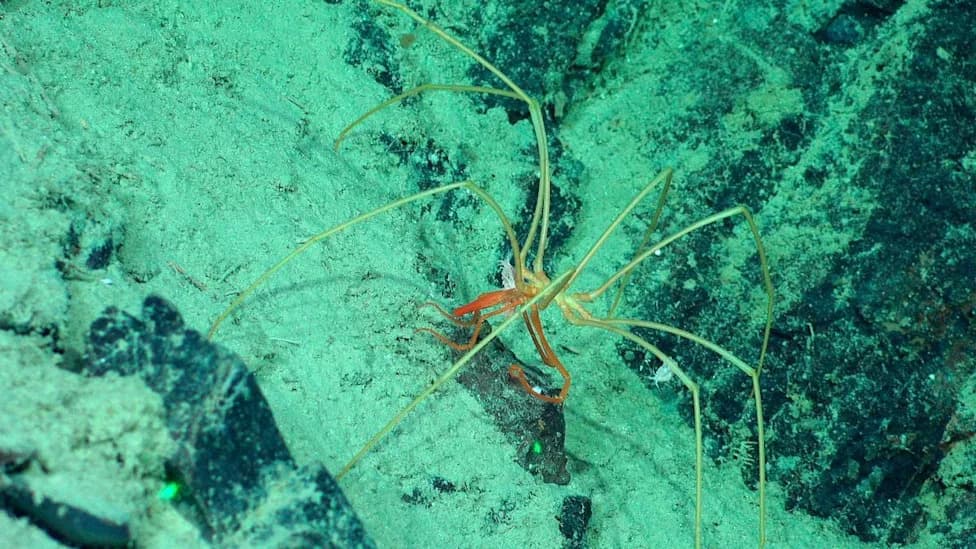
The "orb" was secretions from the deep-sea anemone-like creature,Relicanthus daphneae. | Credit: NOAA Ocean Exploration, Deepwater Exploration of the Marianas
Publication Status And Significance
The work identifying the orb as an anemone cuticle is posted as a preprint on bioRxiv and has not yet been peer-reviewed. Taxonomists praised the study for combining microscopy, DNA analysis and expert specimen knowledge to identify a remnant object rather than a whole organism. The discovery highlights how physical samples plus genetic techniques are crucial to understanding obscure deep-sea life.
What This Means
Researchers now have a new marker — golden cuticles on rocks — to look for when surveying deep seafloor habitats. That clue could help scientists find more individuals of this unusual animal, fill gaps in their taxonomy, and better understand the ecology of the deep ocean.
Help us improve.