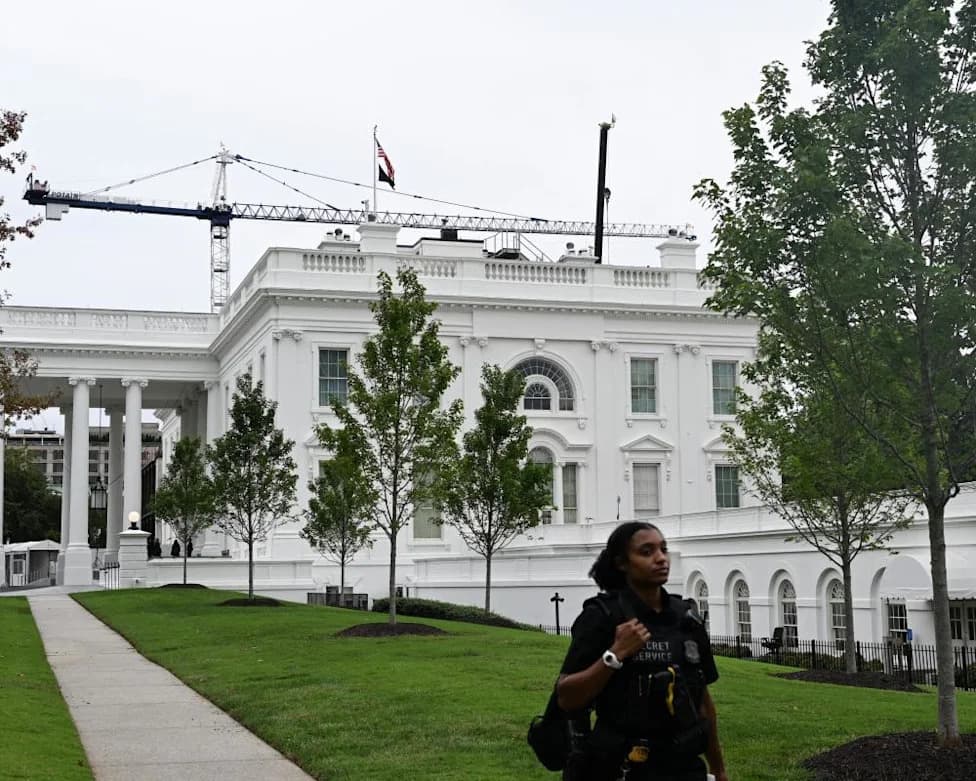
After an armed attempt to breach the White House Correspondents’ dinner, Donald Trump emphasized a private "safe ballroom" project and used a "60 Minutes" interview to attack critics. He linked peaceful protest groups and the Southern Poverty Law Center to political violence and revived unsubstantiated claims about Charlottesville and the 2020 election. Critics say his remarks shifted responsibility onto dissenters rather than focusing on security or solutions.
After Correspondents’ Dinner Shooting, Trump Focuses on a 'Safe Ballroom' and Attacks Critics
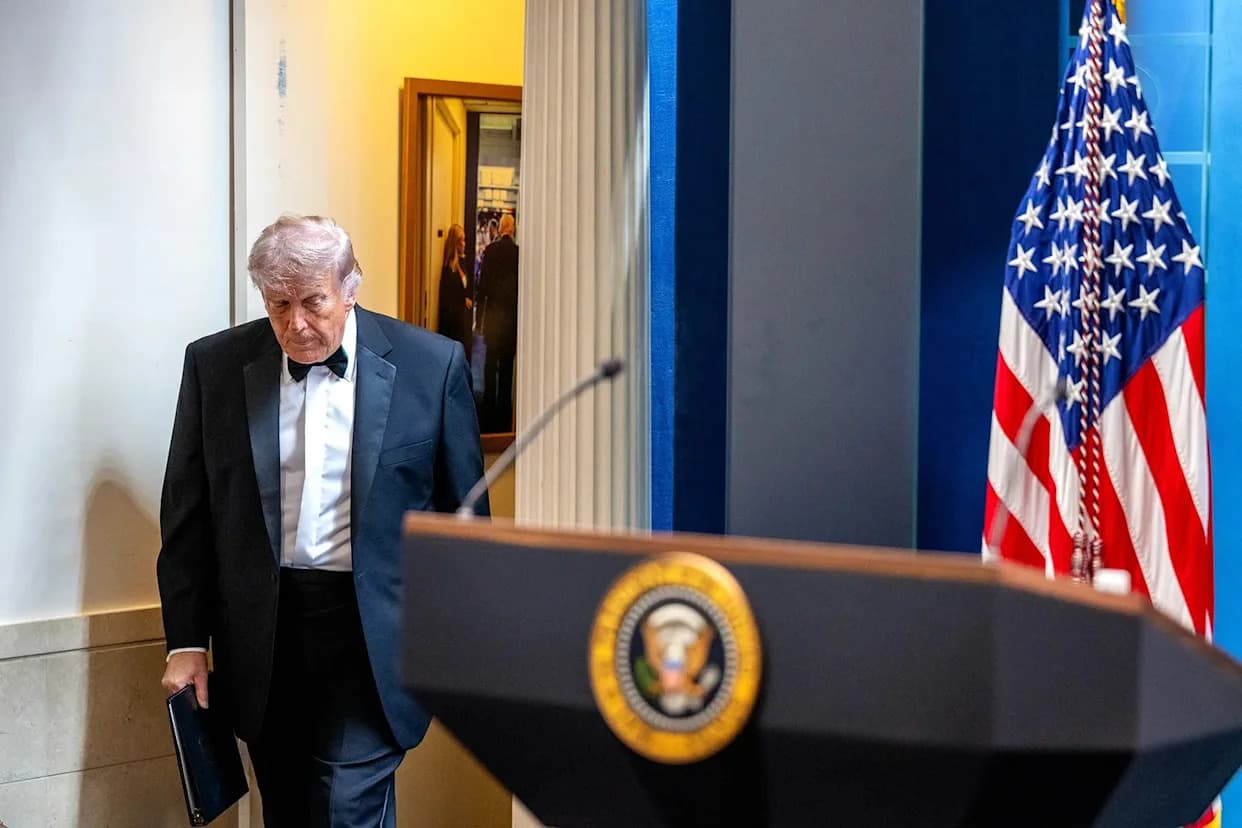
President Donald Trump arrives for a news conference in the James S. Brady Press Briefing Room of the White House on April 25, 2026.(Daniel Heuer / Bloomberg via Getty Images)
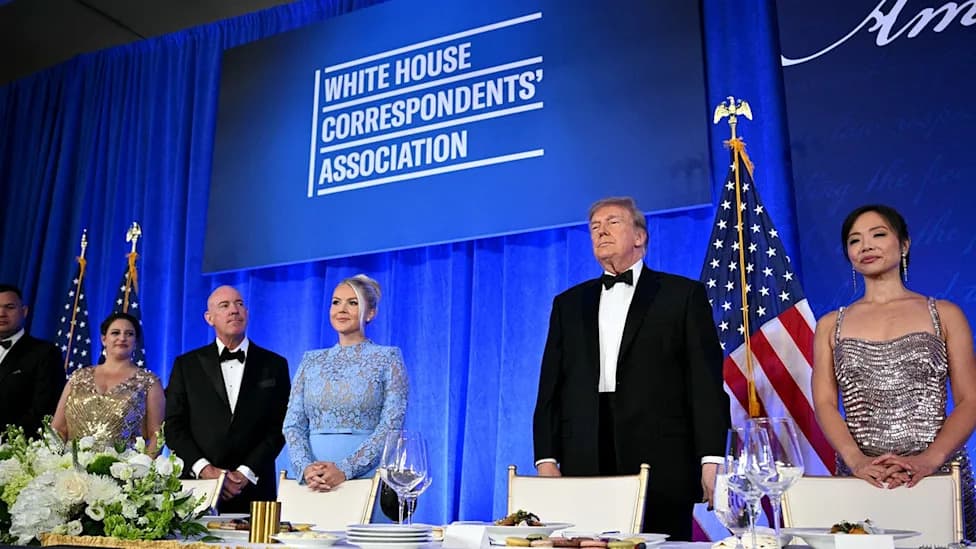
An armed gunman attempted to breach the White House Correspondents’ Association dinner. In the day after the incident, Donald Trump spent much of his public remarks not on security measures but on a private ballroom project and on denouncing critics and civil-rights organizations.
Trump sat for an interview with CBS News’ Norah O’Donnell that aired on "60 Minutes." Early in the conversation he returned to the ballroom, declaring, "I’m building a safe ballroom," before shifting to other topics.
When the discussion turned to the alleged shooter, Trump suggested a link between the act and peaceful local protests, saying, "Well, see, the reason you have people like that is you have people doing No Kings." He framed gatherings that criticize him as, in his view, fostering political violence — a claim that many observers called illogical and alarming because it implies curtailing dissent rather than addressing the root causes of violence.
Soon after, Trump pivoted to attack the Southern Poverty Law Center (SPLC), a civil-rights organization that has come under scrutiny. He alleged, without presenting evidence, that the group financed extremist organizations and even influenced events such as the Charlottesville protests. The claims also extended to insinuations about the 2020 election being "rigged," creating a rapid, hard-to-follow chain of assertions linking disparate events.
"I see these No Kings, which are funded just like the Southern Law... Southern Law is financing the KKK and lots of other radical, terrible groups. And then they go out and they say, 'Oh, we've gotta stop the KKK.'"
The interview repeatedly moved from the immediate security incident to broader — and largely unsubstantiated — allegations about political opponents, civil-rights groups and past controversies. When O’Donnell asked whether there was anything the president could do to address political violence after the episode affected many attendees, Trump interrupted to say, "I do think that the hate speech of the Democrats much more so is very dangerous. I really think it's very dangerous for the country."
Critics noted that the response prioritized blaming dissent over concrete security or policy proposals. House Speaker Mike Johnson reportedly praised Trump as being "at his strongest in times of crisis and turmoil," a characterization that commentators questioned in light of the immediate reaction and the interview’s focus.
What This Means
The episode underscores a recurring pattern in Trump’s public rhetoric: shifting attention from incidents of violence to attacking critics and institutions, often with sweeping assertions that lack clear evidence. For readers and citizens, the interview raises questions about priorities in the wake of a security breach and the broader consequences of equating peaceful protest and civil-society work with the causes of political violence.
Help us improve.