New Gallup polling shows the U.S. has fallen as a preferred destination for permanent migrants, with only 15% naming it their top choice versus 24% in 2007–2009. Policy shifts, high-profile enforcement actions, and a global slowdown in migration appetite have driven the change. Economically, the U.S. still leads peers by a wide margin in per-capita income, but experts warn reduced migration could shave GDP growth and cut consumer spending. Restoring sensible, targeted immigration policy would help preserve both prosperity and the nation’s historic openness.
Why the U.S. Is Losing Its Allure for Global Migrants — And Why It Matters
America Is Losing Its Allure for the World's Migrants
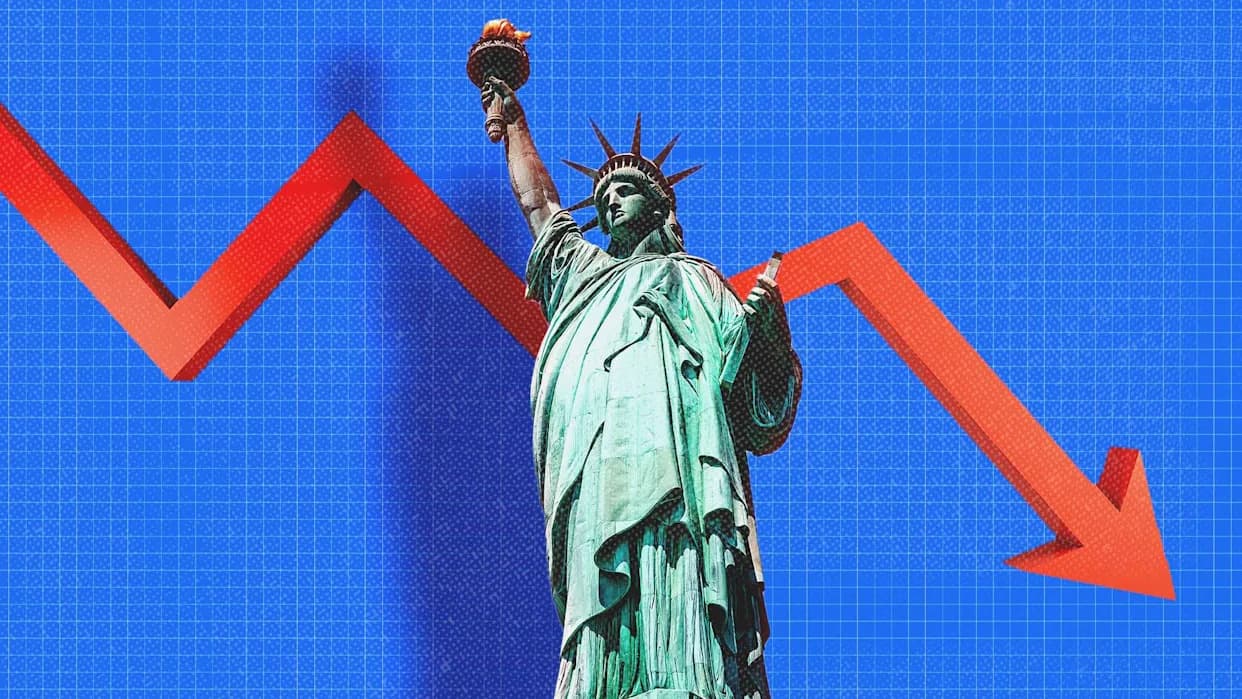
A bronze plaque at the Statue of Liberty bears Emma Lazarus's invitation to "give me your tired, your poor, your huddled masses yearning to breathe free." For decades that line, and the image of the United States as a "shining city upon a hill," have symbolized U.S. openness to newcomers. But new polling and recent policy shifts show the country is becoming a less attractive destination for people considering permanent relocation.
What the Data Shows
Recent Gallup polling finds that just 15% of adults worldwide who say they would like to move permanently to another country name the United States as their preferred destination — down from 24% in 2007–2009 and 20% in 2016. The U.S. still ranks first among named countries, followed by Canada (9%), Germany (5%), and several nations at 4% or 3%.
Why Preference Is Falling
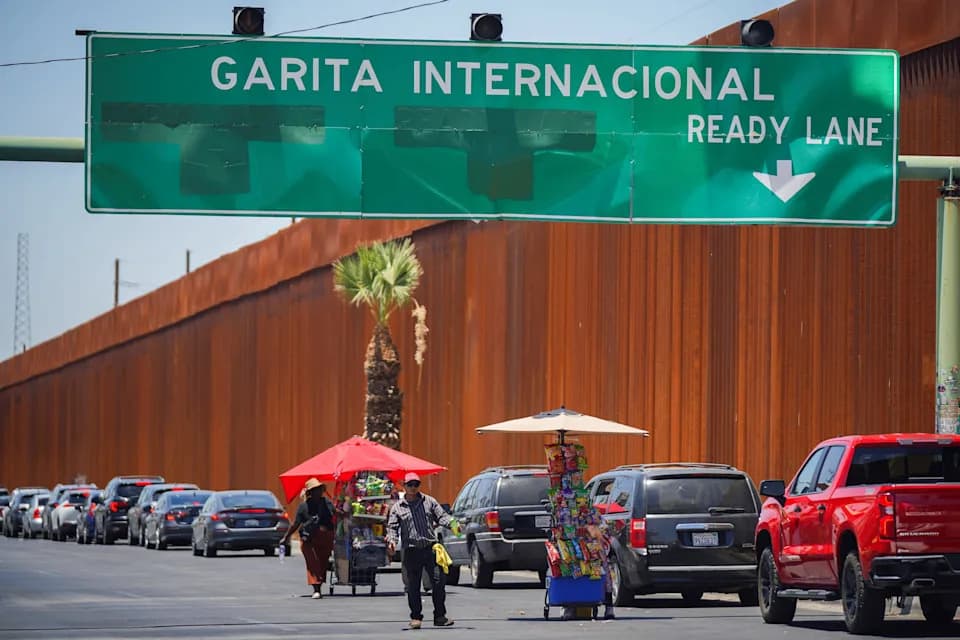
Gallup links the drop to a sharp slowdown in migration into the U.S. that coincided with changes in immigration policy and a broader decline in desire to migrate in some regions. Political swings in Washington have been central: the Trump administration emphasized strict border enforcement; the Biden administration initially took a less interventionist approach and then shifted enforcement priorities again after public backlash. High-profile enforcement actions and vivid images of roundups circulated globally, contributing to perceptions that the U.S. is less welcoming.
"Global desire to migrate declined in 2025 to its lowest level in a decade," Gallup reported, while Pew found a December poll in which 53% of Americans said the government was doing "too much" on deportations.
Economic Stakes
The decline matters because immigration is not just a political issue; it is an economic one. The U.S. still offers higher per-capita income than most alternative destinations: World Bank figures put U.S. per-capita GDP at about $84,534, compared with Canada at $54,340 and the European Union at roughly $43,305. EconoFact and The Economist note the U.S. has substantially outpaced the EU in GDP growth since 2008.
Research also shows that immigrants are net fiscal contributors. A Cato Institute analysis found that from 1994 to 2023 immigrants paid more in taxes than they received in benefits on an annual basis (a conservative estimate that omits indirect growth effects). Brookings analysts warn the drop in migration between 2024 and 2025 could shave roughly 0.19–0.26 percentage points off GDP growth and trim consumer spending by $40–$60 billion in 2025.
What This Means
Reducing immigration through blunt or highly visible enforcement measures risks two outcomes: it discourages the talent and labor the U.S. needs, and it imposes economic costs on American workers, consumers, and firms. For nativists, fewer prospective migrants may look like a win; for those who prioritize long-term prosperity, restoring sensible, targeted immigration policies and clearer channels for lawful migration would better serve the economy and the nation’s historical ideals.
Bottom line: The United States remains comparatively wealthy and offers strong opportunities for migrants, but policy choices and public perceptions have weakened its attraction. Reversing that trend requires both clear, humane policy and an economic strategy that recognizes the benefits of selective, well-managed immigration.
Help us improve.