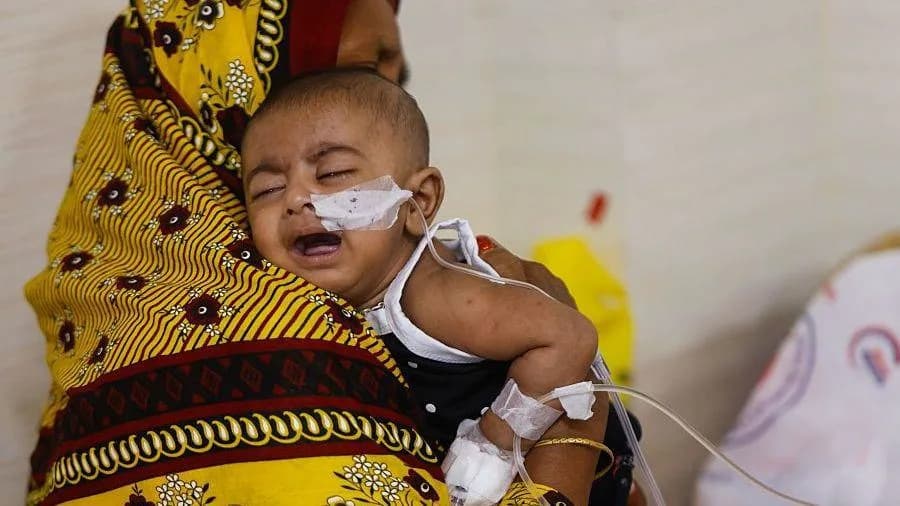
The measles outbreak in Labado, East Darfur, has exposed how war and a collapse of health services can turn a preventable disease deadly. Community responders report about 1,000 infections and 70 deaths, while official figures are lower; vaccines only resumed in April after months without supply. High medicine costs, exhausted clinic stocks and disrupted routine immunisation have left many children unprotected, prompting urgent calls for international assistance.
War and Neglect Drive Deadly Measles Outbreak in Sudan’s Darfur — Labado Faces Humanitarian Crisis
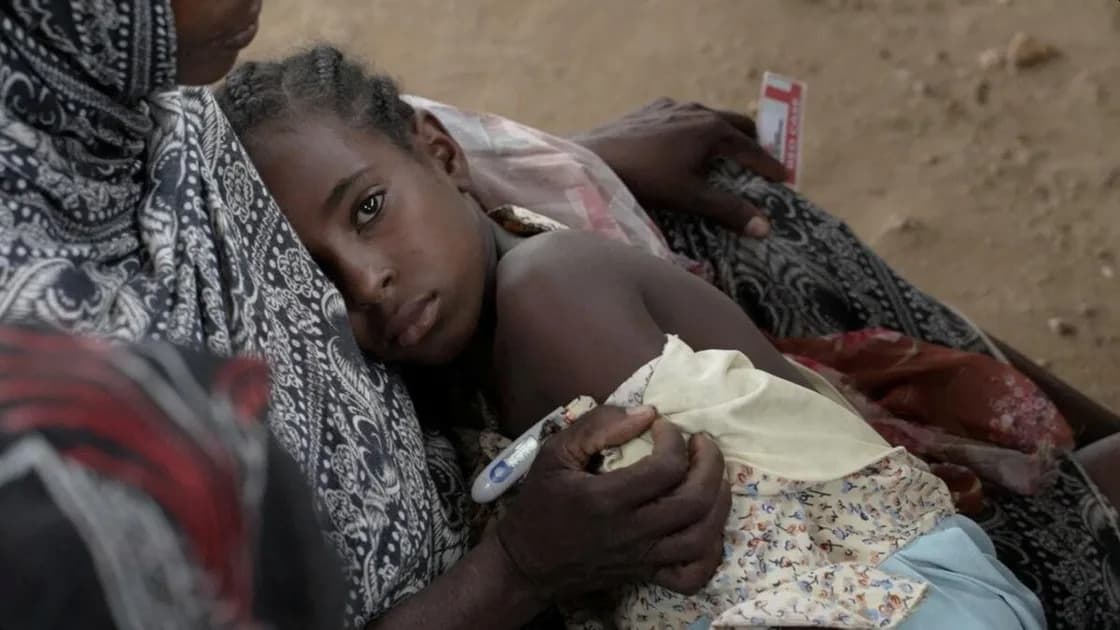
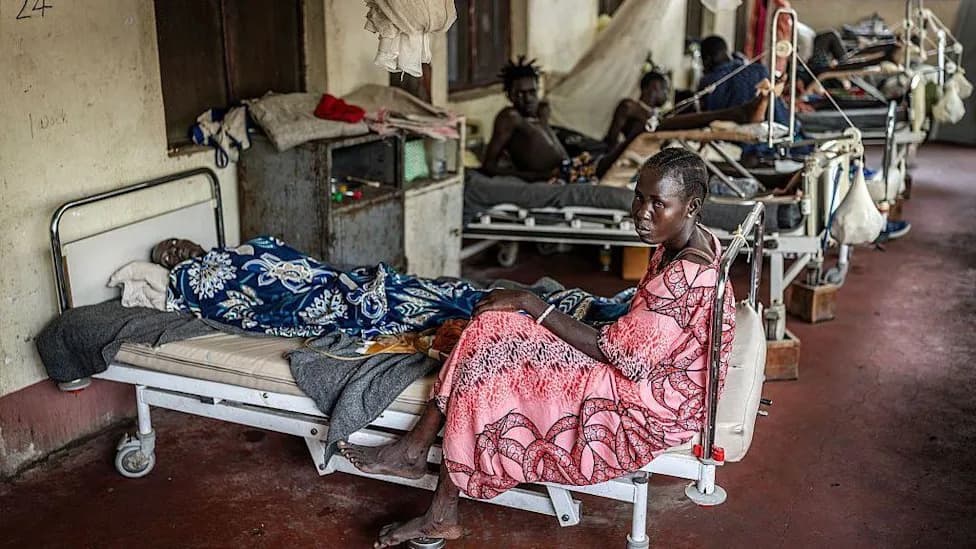
A measles outbreak has struck several Labado districts since March [File: UNHCR/Reuters]
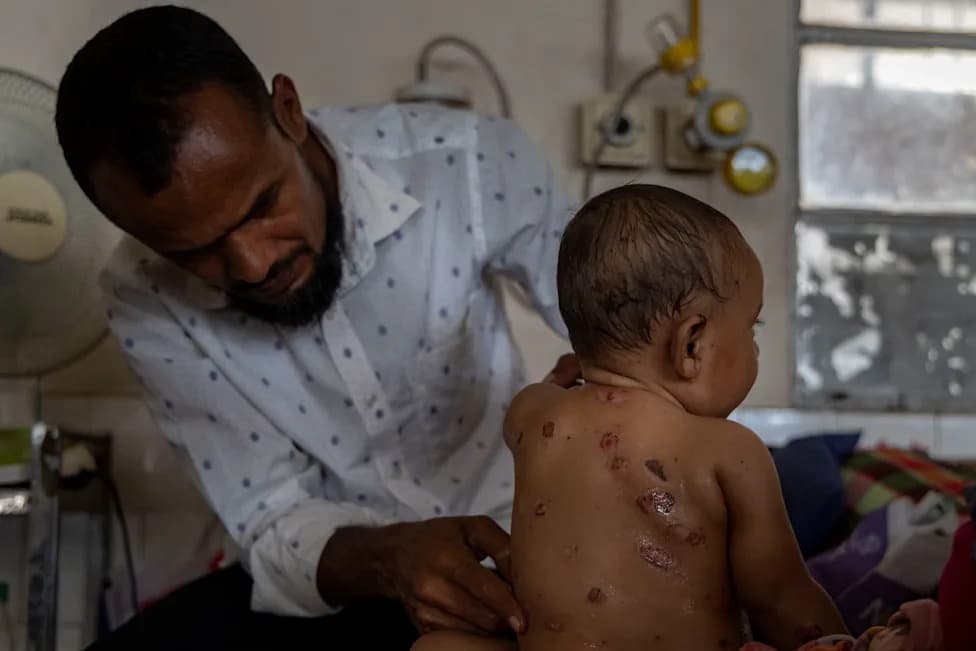
East Darfur — A severe measles outbreak in Labado, East Darfur, has killed children and overwhelmed a community already battered by conflict and collapsing health services. Local responders say the disease has spread rapidly since March, while official counts and community reports diverge sharply.
Outbreak And Human Toll
Community coordinator Mohamed Abdel Aziz says roughly 70 people have died and about 1,000 have been infected across 12 neighbourhoods in a town of approximately 12,000, including people displaced by the conflict. East Darfur’s health director, Dr Jabir al-Nadeef, reported lower figures — about 300 cases and 26 deaths — highlighting a large discrepancy between local and official tallies.
“I thought it was one of the ordinary childhood diseases,” said Hawa Adam, who lost her two-year-old son Ali on February 27. “I never imagined I would lose my child to this epidemic.”
Why The Outbreak Escalated
The outbreak comes after months in which routine immunisation and basic health services in Darfur have been disrupted by fighting. UNICEF says measles vaccination coverage in Sudan fell to 46 percent and routine immunisation (first-dose DTP) slipped to about 48 percent in 2024 — levels that leave large numbers of children vulnerable.
Local health personnel say medicines ran out at the government health centre on February 23. Private pharmacies still sell drugs, but most residents cannot afford them. Reported local prices include intravenous fluids at about 8,000 Sudanese pounds (~$20.50) and antibiotics at 10,000–15,000 pounds (~$25.60–$38.40).
Response Efforts
Dr al-Nadeef told reporters that vaccines arrived from Chad via UNICEF on April 11, and a vaccination campaign was scheduled for 18–24 April across the state. UNICEF also reports a measles-rubella catch-up campaign that reached roughly 2.1 million children in parts of Darfur, and aims to reach about 750,000 children in remaining areas, including East Darfur.
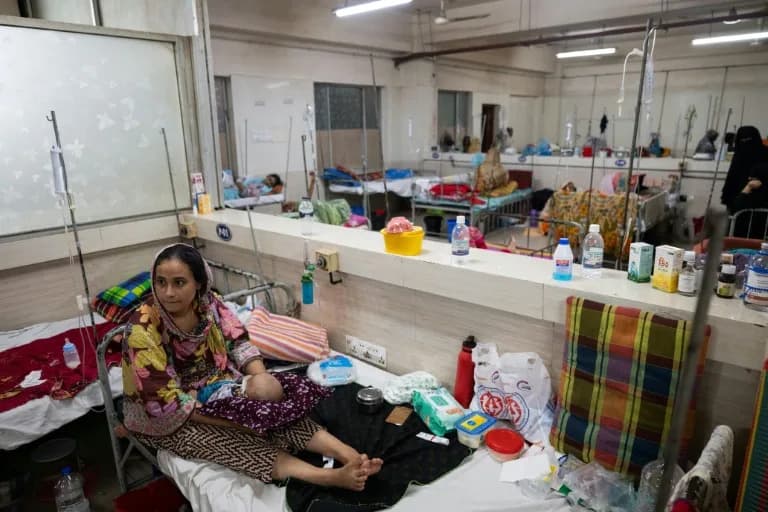
Health workers say vitamin A supplies have been distributed to prevent and treat complications, and that patients who reach facilities are isolated until they recover. However, many families must still purchase medicines for complications themselves — an impossible cost for the poorest households.
Voices From The Ground
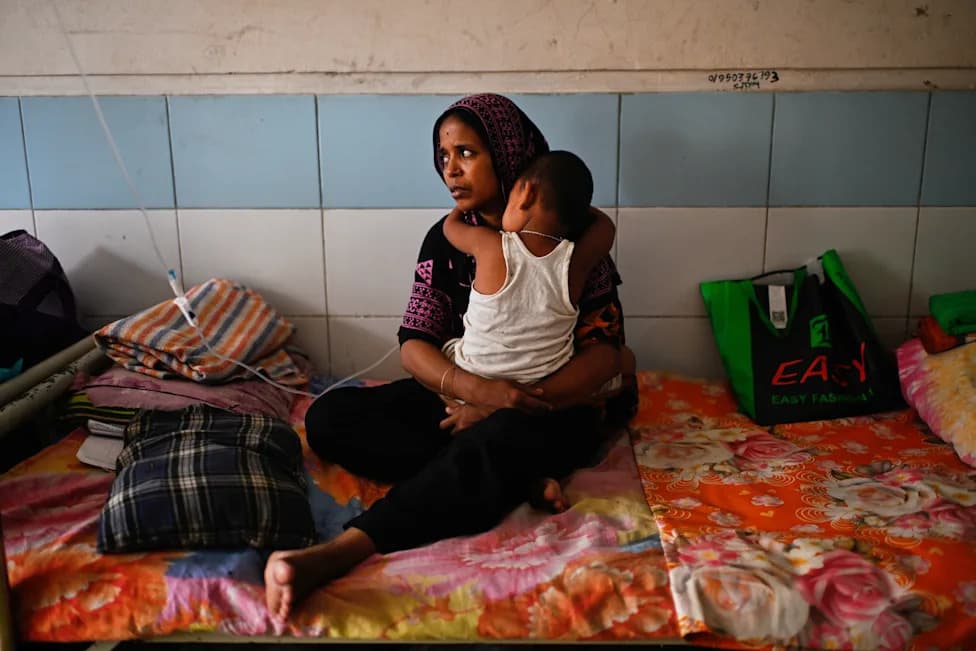
Families described rapid household spread and preventable deaths. In one neighbourhood three children from adjoining homes died within weeks of one another. Caregivers recount trying home remedies and traveling long distances for basic medicines when local clinics had none.
What Needs To Happen
Local doctors and community leaders are calling for urgent international support to ramp up vaccination, restore routine immunisation, replenish essential medicines and protect health workers so services can resume. Humanitarian agencies point to insecurity, displacement and damaged facilities as major barriers to an effective response.
Sources: Interviews with community coordinators and affected families in Labado; statements from East Darfur health authorities; UNICEF and WHO guidance on measles transmission and vaccination.
Help us improve.