Bangladesh is in the grip of a severe measles outbreak that has killed over 1,000 children and produced more than 194,000 suspected cases since March. About 19.8 million children have been vaccinated in an emergency campaign, yet roughly 1,000 suspected cases continue to be reported daily. UNICEF says an "intensified phase" of vaccination begins on 26 September; WHO and experts warn that gaps in coverage, malnutrition and delayed vaccine rollouts have fueled nationwide transmission.
Bangladesh Measles Crisis: Over 1,000 Children Dead as Cases Surge Despite Mass Vaccination
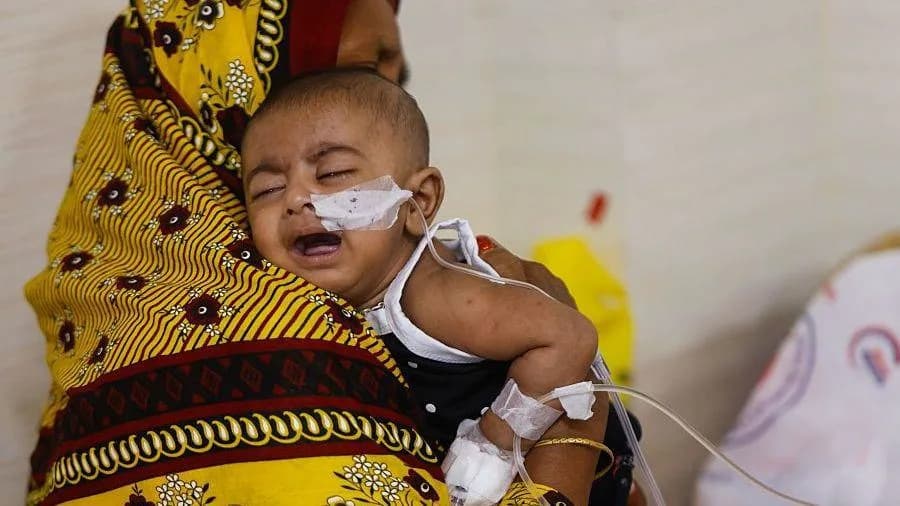
Bangladesh is facing its worst measles outbreak in decades [Getty Images]
More than 1,000 children have died in a severe measles outbreak in Bangladesh, where infections are rising again despite a recent emergency vaccination drive. Authorities report over 194,000 suspected cases since March, and roughly 1,000 new suspected cases are still being reported each day.
Vaccination Effort and Gaps
Health officials say about 19.8 million children have been vaccinated during the emergency campaign. UNICEF told the BBC that on 26 September the government would move into an "intensified phase" to reach children who remain unvaccinated. The World Health Organization (WHO) says the campaign reduced transmission in many areas but concedes that "some target children were not reached by vaccination activities," and that nationwide transmission chains existed before drives could fully take effect.
How the Outbreak Escalated
WHO data show Bangladesh has recorded more measles cases so far this year than any other country. UNICEF described the initial surge in March as a "perfect storm" of factors, including high population density and routine immunisation delays during the Covid-19 pandemic. The UN agency also alleged that the interim government delayed some vaccine orders while considering new suppliers, a claim disputed by other officials.
Impact on Children and Hospitals
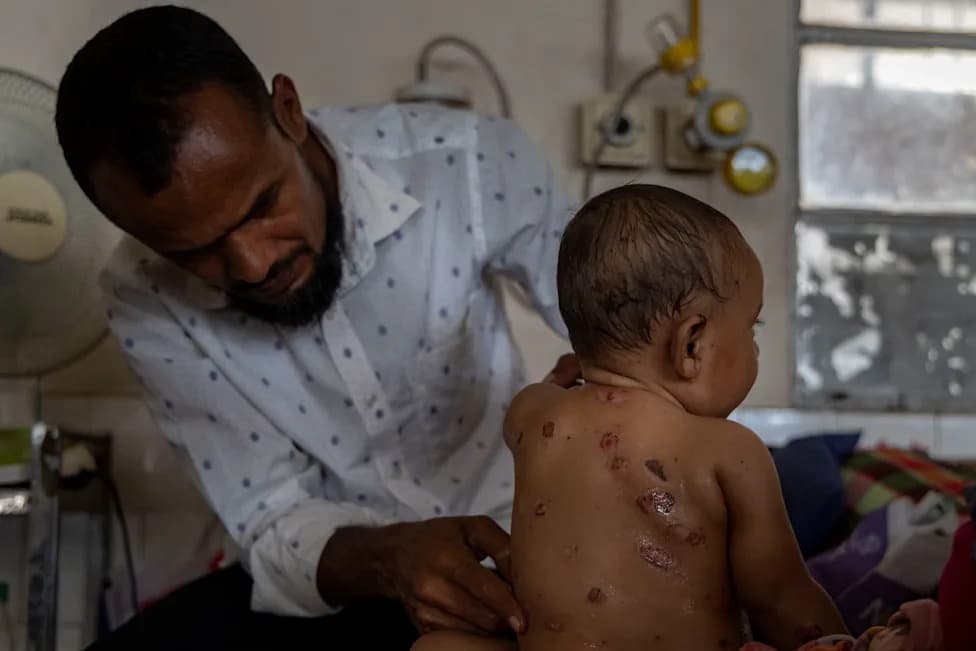
Most confirmed cases have been among unvaccinated children: WHO reports that about 83% of confirmed measles cases occurred in children with no vaccine protection. Around 10% of confirmed cases are infants under six months old, a group too young to be fully vaccinated and therefore especially vulnerable.
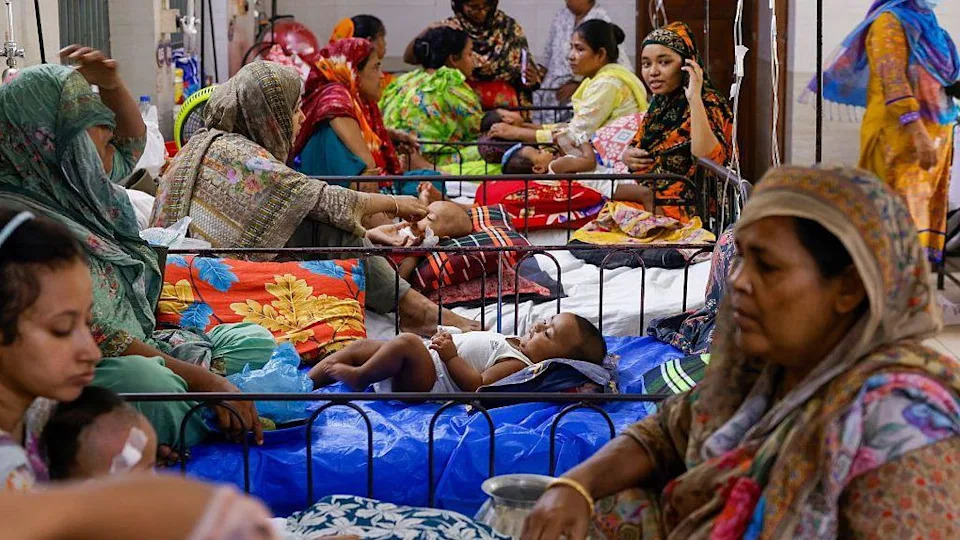
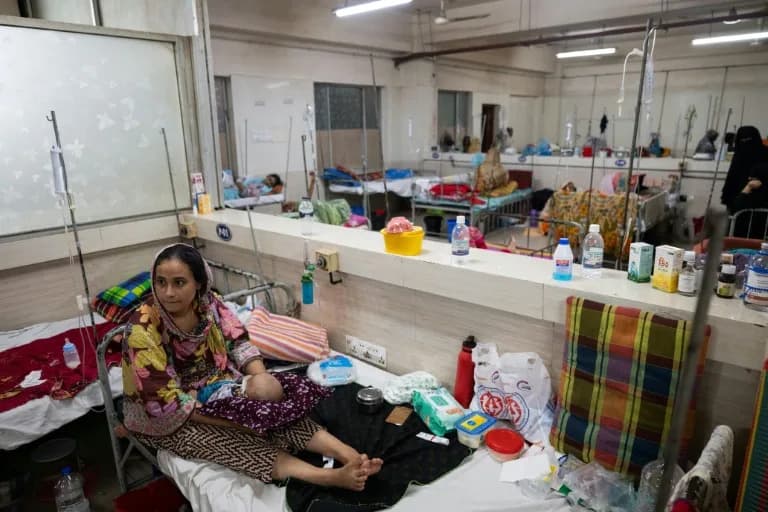
Hospitals in Bangladesh have been left overwhelmed by the outbreak [Getty Images]
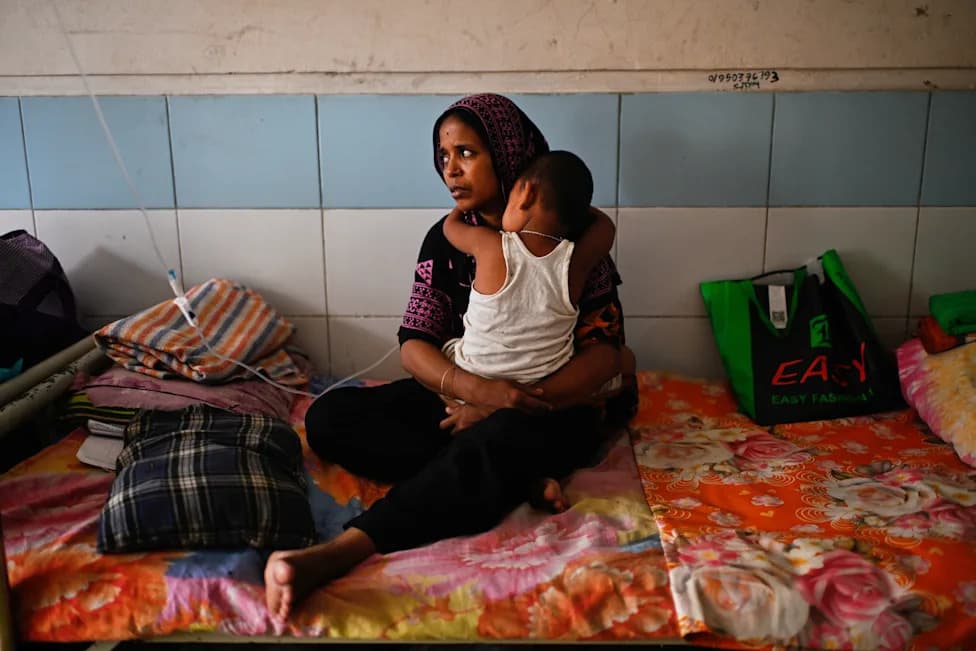
Malnutrition is compounding the crisis. Undernourished children are more likely to experience severe complications or death from measles. Hospitals have been overwhelmed in many areas: media visits in June documented wards operating at more than double capacity, with families cared for on blankets on ward floors.
Responses and Controversy
Public health experts say the initial emergency campaign should have been broader—covering more regions and age groups and including door-to-door outreach—to close remaining immunity gaps. The WHO maintains the campaign was largely successful but warns that breaking long transmission chains takes time.
Officials continue to investigate the factors that allowed such a large outbreak to take hold, including vaccination coverage gaps, logistical delays and underlying child malnutrition.
Global Context
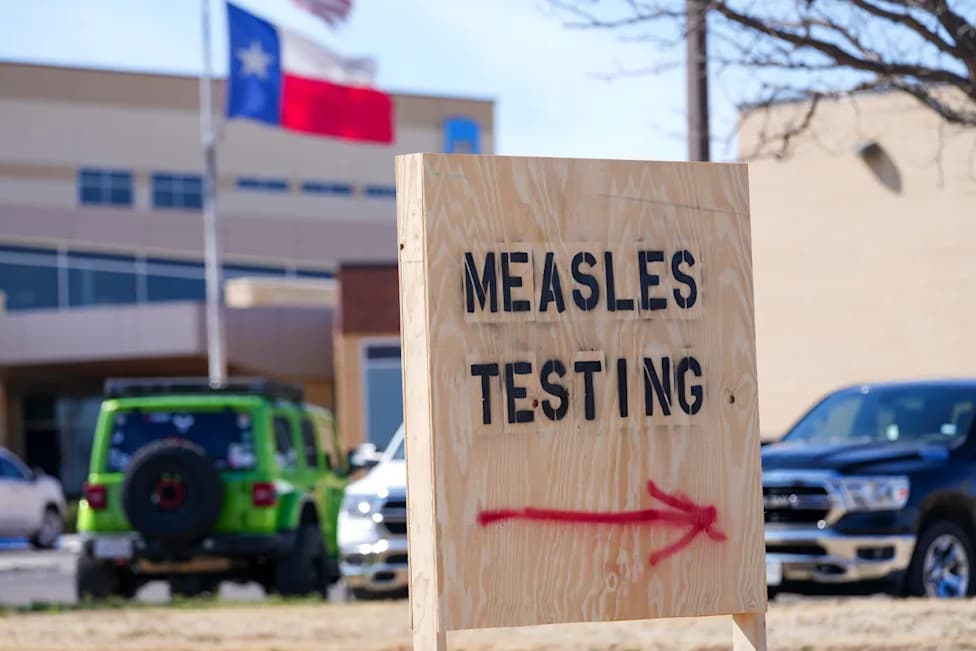
Bangladesh is not alone: several countries have reported measles resurgences this year. The United Kingdom, which had previously been declared to have eliminated measles, lost that status in 2024. The United States has also seen rising cases in recent years. In both countries, vaccination coverage among under-fives remains below the 95% threshold generally considered necessary for herd immunity.
Sources: Reporting from UNICEF and WHO statements, government figures, and interviews with public health experts and hospital staff.
Help us improve.