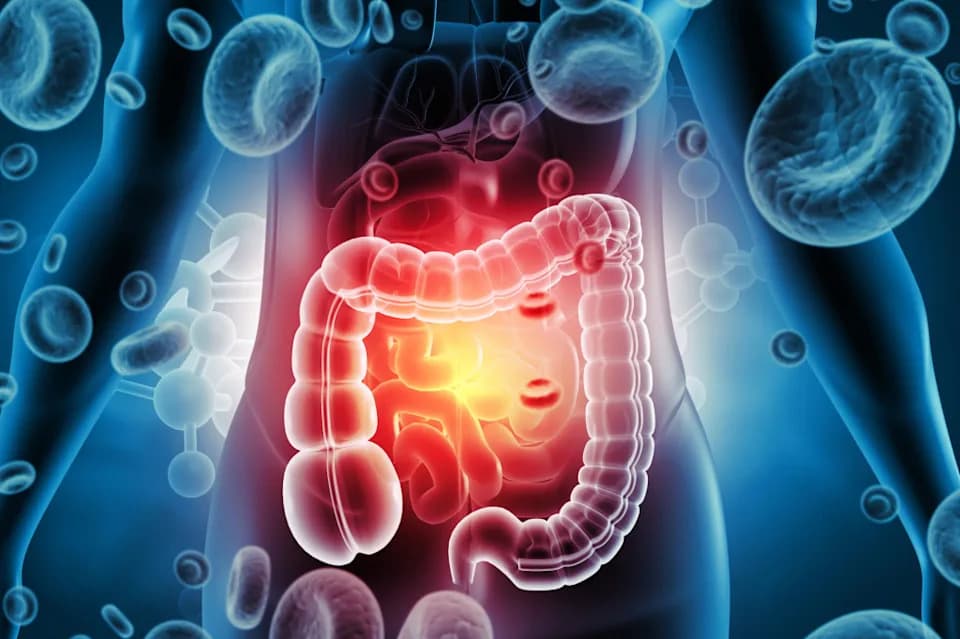
Vienna researchers report that gut bacteria diversity and dietary fibre may influence stress responses. A study in Neurobiology of Stress (June 2026) found higher microbial diversity was linked with stronger hormonal and perceived stress reactivity. The team highlights short-chain fatty acids—produced by fibre fermentation—as potential targets for long-term modulation to reduce acute stress. Earlier 2025 work from Singapore implicated indoles in anxiety-related brain activity and suggested probiotics as a possible intervention.
Gut Feeling: Vienna Scientists Link Microbiome Diversity and Fibre to Stress Responses

Targeted diets could be used to help individuals better manage stress by improving the body's microbiome, which scientists now believe influences the body's stress response. Alexander Heinl/dpa
Researchers in Vienna report evidence that variation in gut bacteria and dietary fibre intake may influence how people respond to stress, pointing to new avenues for prevention and treatment.
Higher microbial diversity was associated with stronger hormonal and subjectively perceived stress reactivity,
The University of Vienna team published their findings in the June 2026 issue of the journal Neurobiology of Stress. Their data suggest that certain microbial metabolites—especially short-chain fatty acids (SCFAs), which are produced when fibre-rich foods are fermented by gut bacteria—could play a role in shaping acute stress responses.
The researchers propose that long-term, targeted modulation of the gut microbial community and its metabolites might help reduce vulnerability to acute stress. In their words, this could involve "long-term targeted modulation of gut microbial composition and its metabolites, particularly short-chain fatty acids." While intriguing, the team cautions that association does not equal causation and that clinical translation will require further controlled trials.
How Microbial Metabolites Might Influence Stress
Short-chain fatty acids such as acetate, propionate, and butyrate are produced during the fermentation of dietary fibre. These compounds support gut health and have been linked to lower risk of obesity and diabetes; the Vienna study highlights their potential influence on hormonal stress markers and subjective stress perception.
"Our results indicate that microbiome composition and its metabolic products may be an actionable target for stress management," the authors wrote.
Complementary work from early 2025 by a Singapore-based team, published in EMBO Molecular Medicine, implicated another class of microbial metabolites—indoles—in anxiety-related brain activity and behaviour, and suggested probiotics as a possible intervention. Together, these studies support a growing view that gut-derived chemicals can affect the brain and behaviour through multiple pathways.
What This Means For Readers
This research does not yet mean that a specific diet or supplement will definitively reduce stress. However, it strengthens the rationale for further clinical studies testing fibre-rich diets, probiotic or prebiotic interventions, and other strategies that alter microbial metabolites. If validated, such approaches could become part of a broader toolkit to manage stress alongside psychological and lifestyle interventions.
Bottom line: Early evidence links gut microbiome diversity and fibre-driven metabolites to stress reactivity, identifying short-chain fatty acids and indoles as promising targets for future research—but more rigorous human trials are needed before clinical recommendations can be made.
Help us improve.