Images of women in Tehran cafés without headscarves have drawn global attention, but many inside Iran say these scenes do not reflect a systemic change in women's rights. Enforcement of the compulsory hijab has eased in some urban areas since the 2022–2023 Mahsa Amini protests, yet banks, universities and official buildings still often require head coverings. Rights groups report continued arrests, fines and harassment, and the degree of enforcement varies widely between cities such as Tehran, Mashhad and Isfahan.
Hijabs Come Off in Parts of Iran — Visible Defiance, But Restrictions Persist
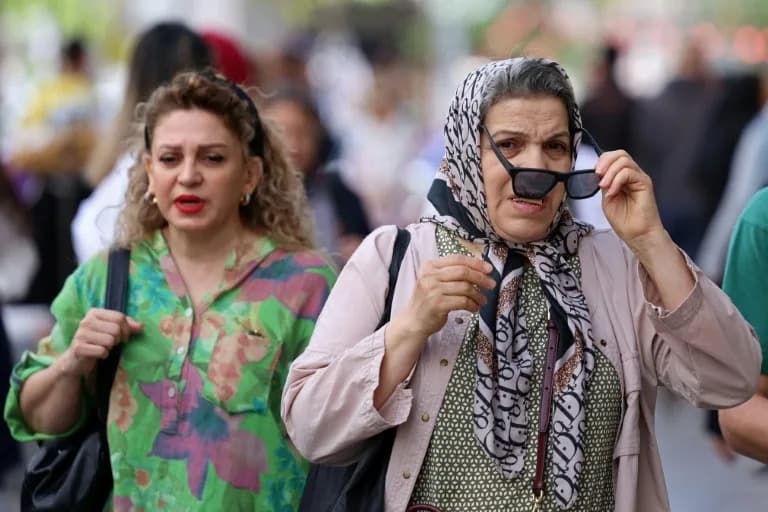
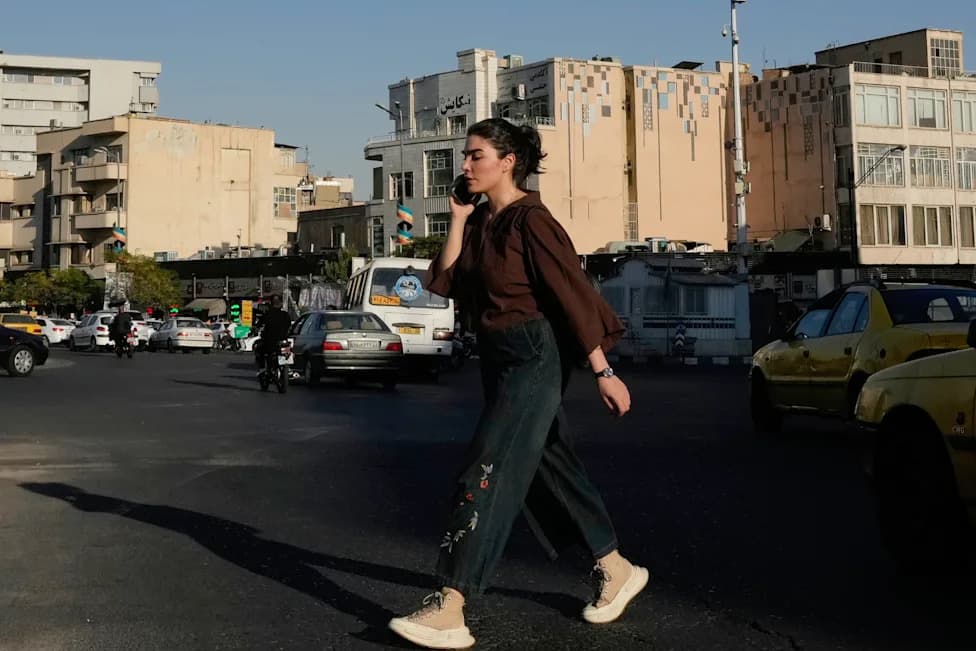
Iranian women walk along a busy street in Tehran (-)(-/AFP/AFP)
Images of bareheaded women drinking coffee in Tehran cafés have captured international attention, but many Iranians say these scenes do not amount to a systemic change in women's rights or government policy.
Although the compulsory hijab has been law in Iran since the years after the 1979 Islamic Revolution, enforcement has visibly relaxed in parts of Tehran and some other cities. The shift began after the 2022–2023 protests triggered by the death in custody of Mahsa Amini and has continued through subsequent upheavals, including the June 2025 war with Israel and nationwide protests over living costs.
What Has Changed — And What Hasn't
For many residents of Tehran the change is tangible: it is increasingly common to see women walking together with and without headscarves, and the once‑ubiquitous white morality‑police vans are less visible on some streets. Yet the loosening is uneven and fragile. Women still report being summoned by authorities for not wearing hijab, and businesses such as cafés have repeatedly been shut down, fined or pressured to pay bribes for alleged non‑compliance.
"It is not at all a sign of any change in the government in my opinion. Because no achievement has been made regarding women's rights," said Elnaz, 32, a painter in Tehran, who asked that her full name not be published.
Official institutions — banks, universities and many government buildings — largely continue to enforce head‑covering rules. Rights groups also say the state has continued to detain and punish dissenters: tens of thousands were arrested after January protests and thousands more detained in the context of recent conflict.
Regional Differences
The situation varies greatly across Iran. Cities such as Mashhad and Isfahan remain more strictly policed than Tehran. Residents from these cities describe renewed enforcement, court summonses over hijab compliance and social pressure from conservative community members, alongside state action.
"More women are putting their fear aside each day and trying out what it's like to go out without hijab, and it's gradually becoming more widespread," said Shahrzad, 39, a housewife in Tehran. "But I don't see any change in the government system."
International And Human Rights Perspective
Amnesty International says "widespread resistance" to compulsory veiling prompted authorities to pull back from the violent mass arrests and assaults of previous years. However, it warned that existing laws and institutional practices continue to be used to enforce veiling in workplaces, universities and other public‑sector institutions — leaving women who resist vulnerable to harassment, arbitrary arrest, fines and exclusion from employment and education.
State media has also broadcast images of unveiled women, typically those who publicly endorse the regime — a practice critics describe as staged and coercive rather than evidence of genuine freedom.
Many Iranians view the current openings as temporary and contingent on broader political distractions, such as ongoing regional tensions. As one resident put it, authorities may be "distracted by the war" now, but the future of enforcement after the conflict remains uncertain.
Key voices quoted: Elnaz (32, painter, Tehran), Zahra (57, housewife, Isfahan), Negin (34, café owner, Tehran), Shahrzad (39, housewife, Tehran), Mahsa (32, student, Mashhad), Farnaz (41, Isfahan), Maryam (35, Isfahan).
Reporting note: The accounts in this article are drawn from interviews conducted by AFP correspondents and referenced rights‑group statements. Names are used as provided by interviewees; some requested partial anonymity.
Help us improve.