Indiana’s May 5 GOP primaries have become a test of former President Trump’s sway after the state Senate rejected his December-backed redistricting plan. Trump endorsed challengers to seven incumbent Republican senators, and pro-Trump groups have poured millions into TV ads. Yet local voters frequently say redistricting is not their top concern and resent outside interference, making these low-turnout contests a close test of whether national pressure can reshape state party politics.
Indiana GOP Primaries Test Trump’s Influence After Lawmakers Rejected Redistricting
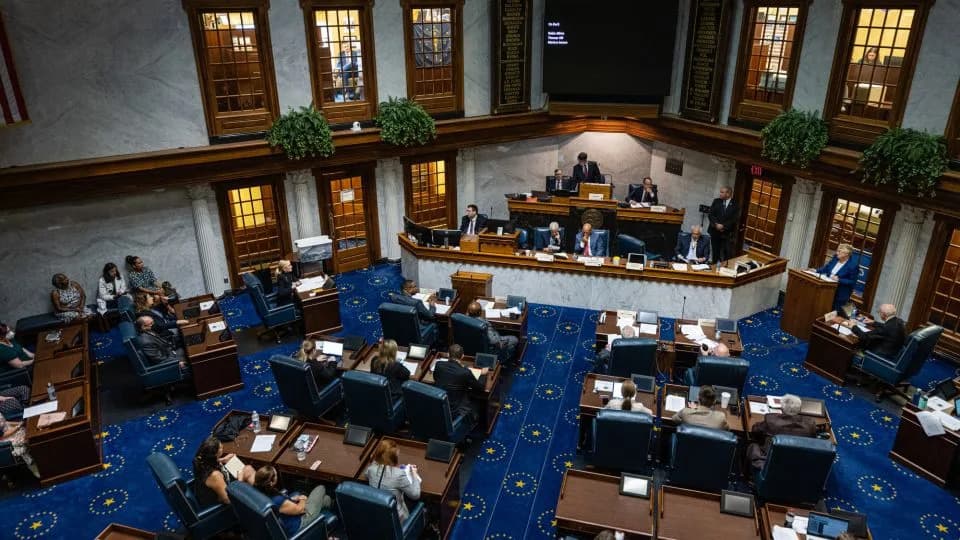
Indiana State Senators meet in the Senate chamber in the Indiana State Capitol building on July 25, 2022 in Indianapolis, Indiana. - Jon Cherry/Getty Images/File
Indiana’s May 5 Republican primaries have become a high-stakes referendum on former President Donald Trump’s influence after the state Senate’s Republican supermajority rejected a Trump-backed plan to redraw congressional districts in December. That vote prompted the former president to endorse challengers to seven incumbent GOP state senators — setting up contests that could reshape party control and test whether local voters will tolerate national pressure.
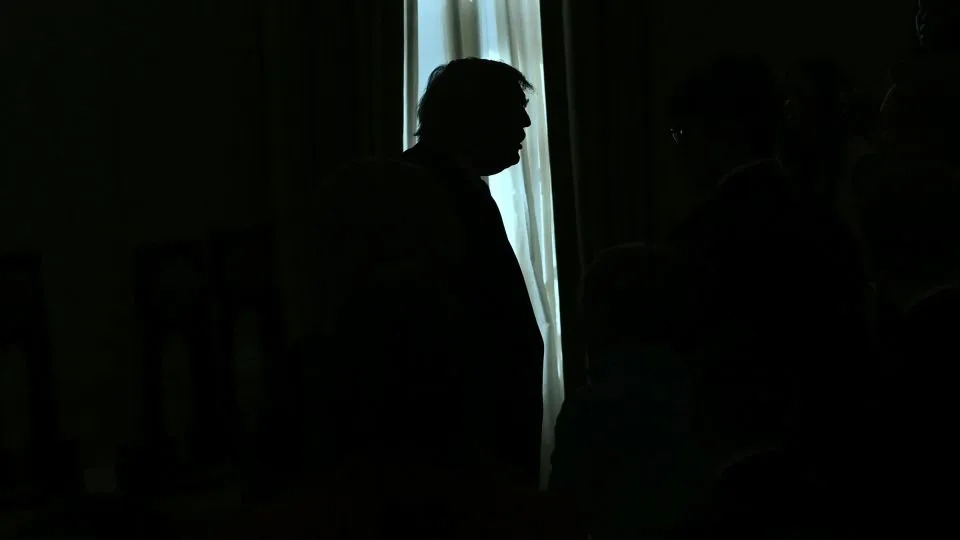
US President Donald Trump is silhouetted at the White House in Washington, DC, on April 21. - Brendan Smialowski/AFP/Getty Images
A National Fight, Played Out Locally
The redistricting push — part of a broader effort by Trump and allies to shore up the Republican majority in the U.S. House — has met resistance in several states. In Indiana, months of lobbying, visits from national figures and a coordinated pressure campaign failed to sway a state Senate majority. The fallout: a slate of targeted primary challenges and a surge of outside spending.
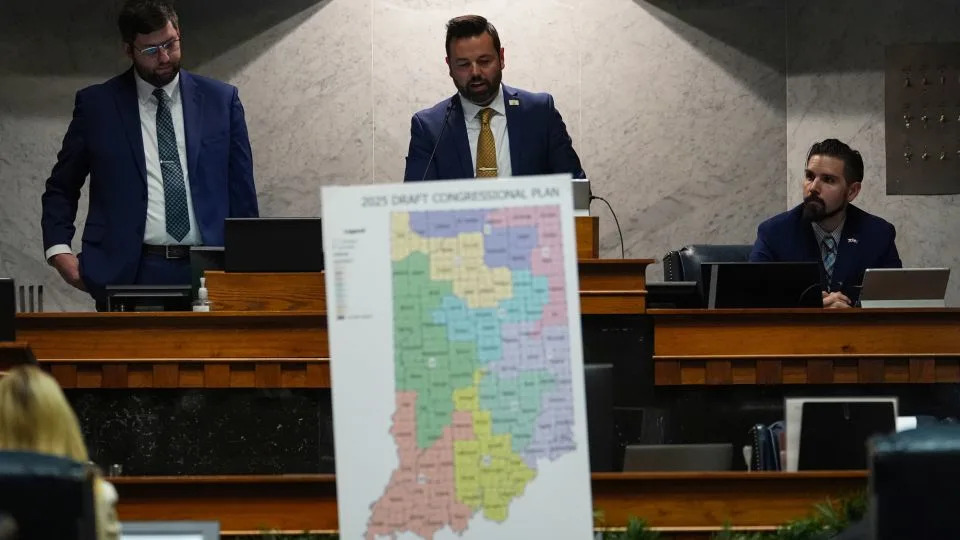
Indiana Lt. Gov. Micah Beckwith announces the results of a vote to redistrict the state's congressional map, Thursday, December 11, 2025, at the Statehouse in Indianapolis. - Michael Conroy/AP
Money and Messaging
The contests have attracted unusually large ad budgets for state races. The state Senate GOP campaign arm reported roughly $1.8 million in spending between the start of 2026 and the April 10 pre-primary filing deadline, while Hoosier Leadership for America — aligned with Sen. Jim Banks and supportive of Trump — has spent about $4 million on television advertising this cycle, according to AdImpact. Six competitive state Senate districts have passed $1 million in TV ad buys.
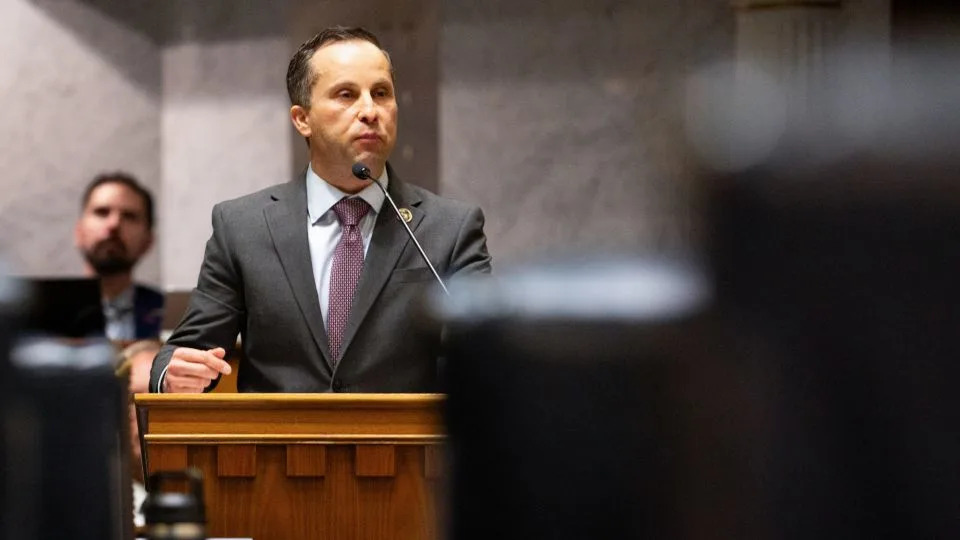
State Senator Spencer Deery, a Republican from Indiana, speaks at the Indiana Statehouse in Indianapolis, Indiana, US, on Thursday, December 11, 2025. - Kaiti Sullivan/Bloomberg/Getty Images
Who’s Fighting What
Pro-Trump groups portray targeted incumbents as insufficiently conservative or disloyal to the president’s agenda. Trump-backed challengers often emphasize broader culture and conservative policy themes rather than the technical arguments for redistricting. Many incumbents frame the dispute as a defense of state sovereignty and traditional legislative prerogatives.
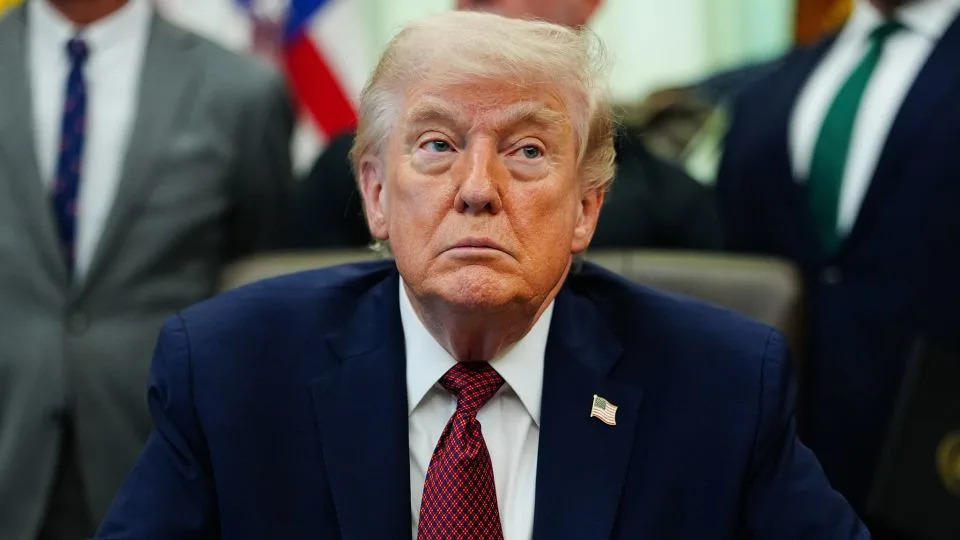
President Donald Trump listens in the Oval Office of the White House, on April 18. - Julia Demaree Nikhinson/AP/File
“If we can prove that there’s significant backlash from voters to do that, then it’s not going to be a model that works,” said Sen. Spencer Deery, an incumbent who opposed the redistricting proposal.
Voters Say ‘Leave Us Alone’
Reporting from local events across Indiana shows a recurring theme: many Republican primary voters resent outside interference and say redistricting is not a top issue on the campaign trail. In Rockville, retiree Jack Butler — once a Trump supporter — told attendees, “Now it’s ‘leave us alone.’ You go do your thing, that’s fine. But stay out of Hoosier politics.”
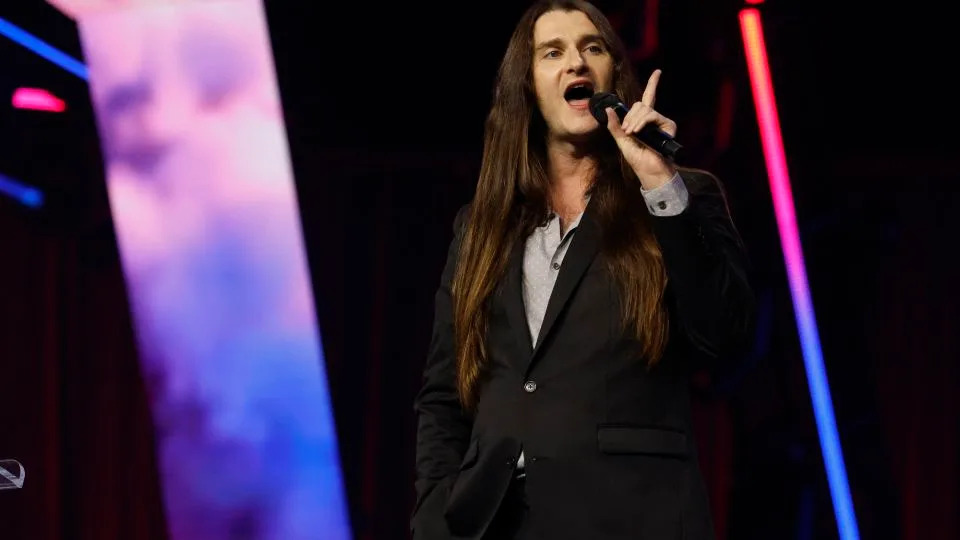
American conservative activist Scott Ryan Presler addresses the conservative Turning Point People's Convention on June 16, 2024 at Huntington Place in Detroit, Michigan. - Jeff Kowalsky/AFP/Getty Images/File
At neighborhood forums and rallies, voters more often raised local concerns like property taxes, utility costs and school issues rather than mapmaking. Candidates on both sides acknowledge that, while redistricting sparked the current wave of challenges, it rarely dominates door‑knocking conversations.
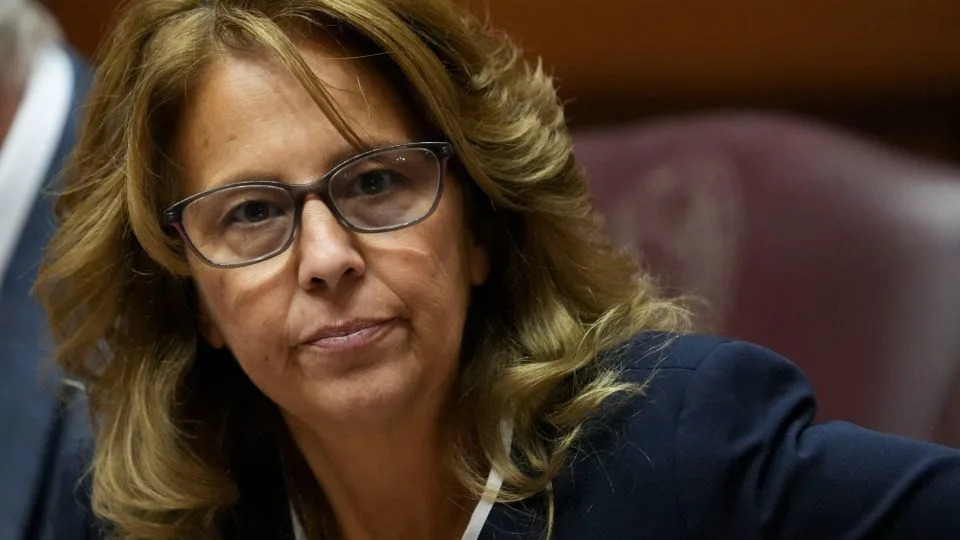
Indiana state Rep. Michelle Davis, R-Whiteland, listens Tuesday, November 18, 2025, at the Indiana Statehouse in Indianapolis. - Christine Tannous/IndyStar/USA Today Network/Imagn Images
Key Matchups To Watch
- District 23: Incumbent Sen. Spencer Deery vs. Trump-endorsed Paula Copenhaver (Fountain County GOP chair).
- District 41: State Rep. Michelle Davis (Trump-endorsed) vs. Sen. Greg Walker, an opponent of the redistricting push.
- District 38: Brenda Wilson, a Trump-backed challenger, vs. Sen. Greg Goode in the Terre Haute area.
What’s At Stake
For pro-Trump forces, a small number of wins — Lt. Gov. Micah Beckwith suggested three would be a solid night and five would represent a meaningful shift — could signal momentum to reshape state Republican leadership and tactics. For the party’s older guard and many local voters, preserving incumbent lawmakers who resisted national pressure is a test of independence and of how the party balances principle with political strategy.
Because Indiana uses open primaries and turnout in competitive state Senate primaries can be as low as about 10,000 voters, small swings in engagement, outside spending and cross‑over voting could decide outcomes. The results will be watched as an early indicator of how durable Trump-style intervention will be in state-level Republican politics.
Reporting includes local interviews and advertising data cited from AdImpact.
Help us improve.