The U.S. has stepped up pressure on Cuba—moving to block most oil shipments—while diplomacy and high‑level talks continue. President Trump’s April 13 remark that the U.S. "may stop by Cuba" has sharpened debate about possible American action and its consequences. The island’s history—from U.S. economic influence to Fidel Castro’s 1959 revolution, the 1961 Bay of Pigs invasion, and waves of exile—helps explain deep political divisions and the humanitarian risks now unfolding.
Cuba Back in the Spotlight: Trump’s Remarks, U.S. Pressure, and an Island in Crisis
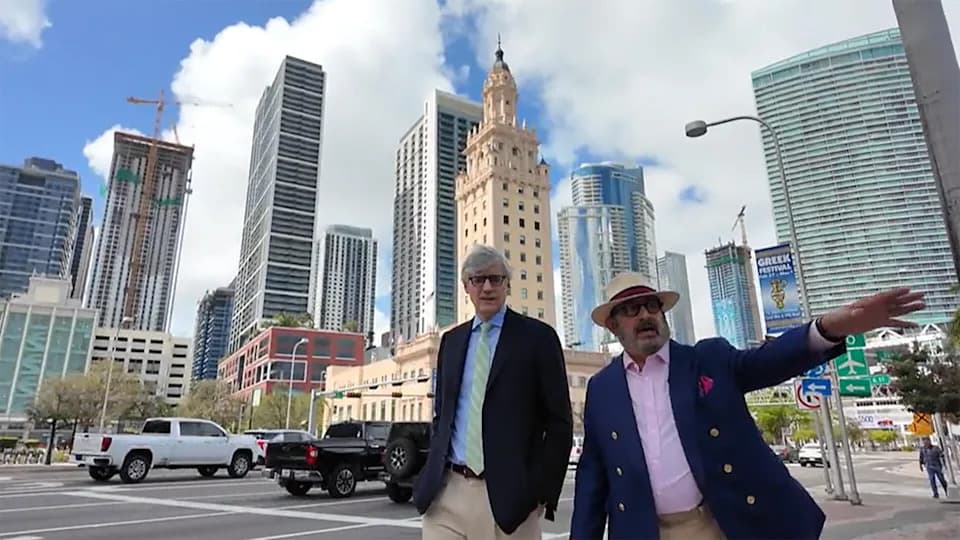
Mo Rocca with Miami Dade College history professor Jorge Malagon Marquez, whose family fled Cuba in 1967. / Credit: CBS News
As global attention focuses on the war in Iran, tensions with another long‑standing U.S. rival have quietly escalated much closer to home: Cuba. On April 13, while discussing Iran, President Trump said, "We may stop by Cuba after we're finished with this," as his administration tightened measures that now block most oil shipments to the island. Those steps, officials say, are deepening an already severe economic and humanitarian crisis while high‑level talks between U.S. and Cuban representatives continue.
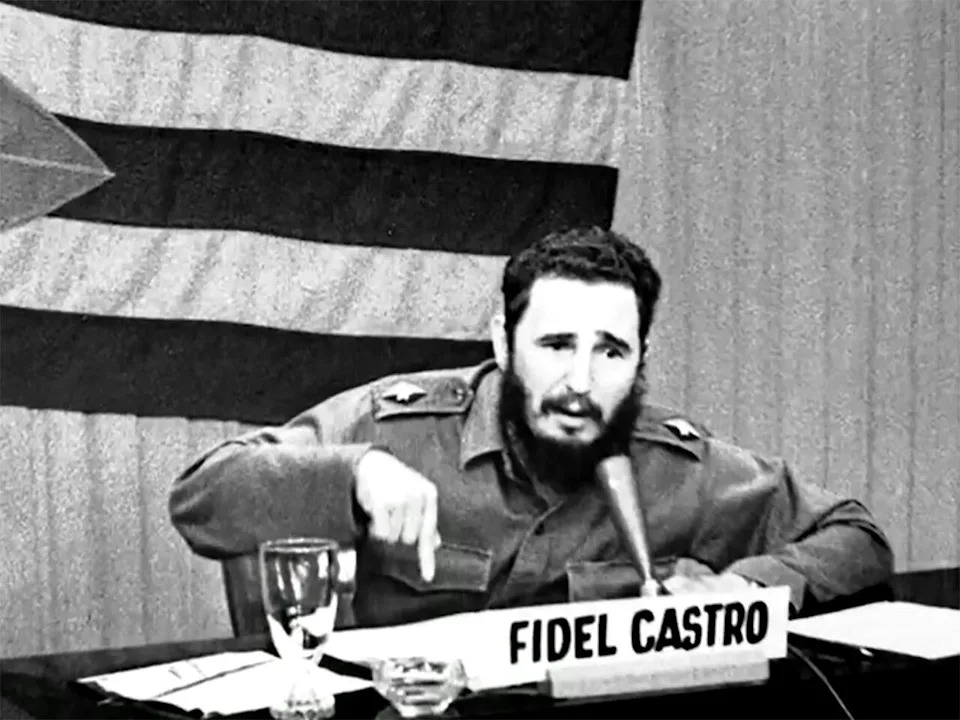
Cuban dictator Fidel Castro. / Credit: CBS News
Historical Context
Cuba—about 90 miles from Florida—has been a central issue in U.S. foreign policy for nearly seven decades. In the 1950s many Americans saw the island as a glamorous tourist destination of casinos and nightlife, but deep social and economic grievances ran below that surface. U.S. economic influence after the Spanish‑American War and into the early 20th century left many Cubans resentful of foreign control over key industries.
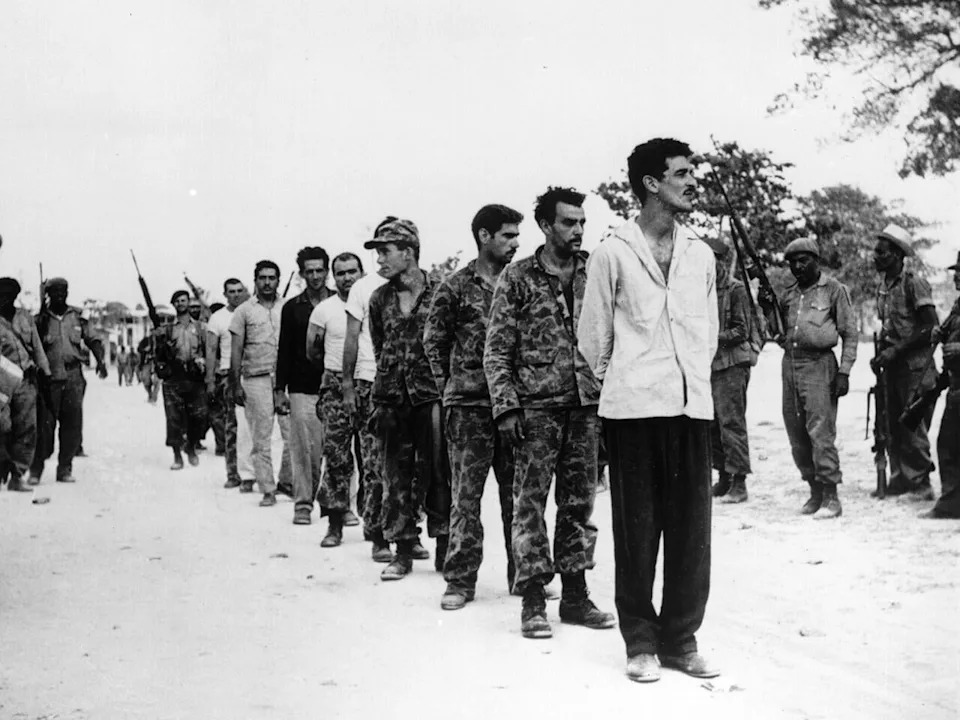
A group of U.S.-backed Cuban exiles who attempted an invasion at the Bay of Pigs are seen after being captured by Castro's soldiers, on the Playa de Giron, Cuba, April 1961. / Credit: Three Lions/Getty Images
Those tensions helped create the conditions for the 1959 revolution led by Fidel Castro. Castro's rise and his alignment with the Soviet Union made Cuba a Cold War flashpoint: U.S. trade embargoes, the 1962 missile crisis, the Bay of Pigs invasion in April 1961, and decades of rivalry followed. Jorge Malagon Marquez, a Cuban‑American historian at Miami Dade College, points to "Fidelismo"—a cult of personality around Castro—as a key factor in the regime's durability.
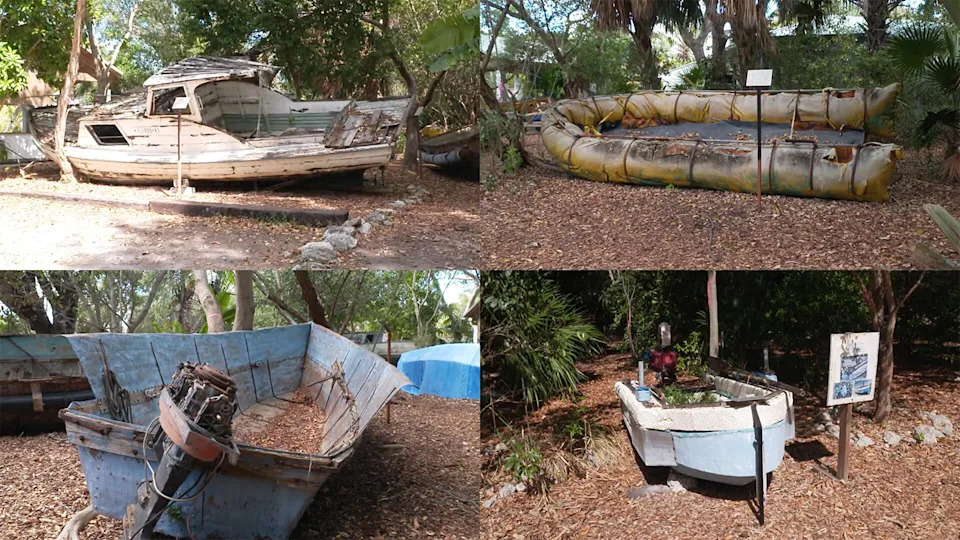
Some examples of makeshift Cuban refugee boats, or
Personal Stories and the Legacy of Exile
Personal accounts illustrate how the revolution shaped generations. Marquez recalls childhood rituals in school that rewarded displays of loyalty to Castro. Families such as Arturo Cobo's lost property and suffered imprisonment; Arturo later joined the CIA‑trained exile force that landed at the Bay of Pigs—an episode that remains a deep grievance among many Cuban‑Americans. Waves of migration have transformed South Florida: more than 1.5 million Cubans have emigrated to the U.S. since the early 1960s.
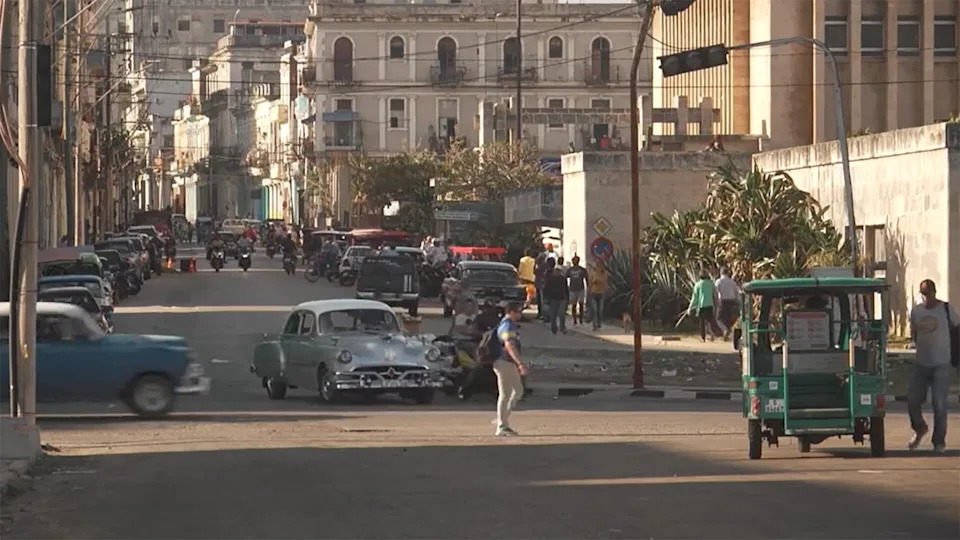
A deepening energy and economic crisis, fueled in part by economic sanctions by the United States, has left Cuba dependent on foreign assistance and oil shipments from allied countries, including Mexico and Russia. / Credit: CBS News
Today's Crisis
The Cuban economy, already strained under decades of authoritarian rule, deteriorated further during the COVID‑19 pandemic. The article reports that nearly a fifth of Cuba's population left since 2021. With the United States blocking most oil shipments, shortages of fuel and essential goods have intensified, raising the risk of humanitarian suffering and further migration.
What Could Happen Next?
Options in Washington range from continued sanctions and diplomatic pressure to covert actions or support for political change—each with major risks. The Trump administration's rhetoric about "taking" or "freeing" Cuba has increased uncertainty on the island and among exile communities in the U.S., many of whom hope for restitution of property seized after the revolution but fear renewed instability or human costs for ordinary Cubans.
Human Cost and Local Politics
For Cuban exiles and their descendants in South Florida, the memory of the Bay of Pigs and decades of exile shape intense political views, frequently aligning the community with hardline positions toward the Castro era and its successors. Institutions such as Miami Dade College's Freedom Tower and the Key West Tropical Forest & Botanical Garden keep physical and cultural reminders of that migration and its sacrifices.
On the president's wording: Some public transcripts of Mr. Trump's remarks contained unclear phrasing; the essence of his comment was a public suggestion that the U.S. might take action regarding Cuba once other priorities conclude.
Sources and credits: Reporting by Mark Hudspeth. Editor: Emanuele Secci. Places referenced include Miami Dade College (Freedom Tower) and Key West Tropical Forest & Botanical Garden.
Help us improve.