The Virginia redistricting referendum produced a hard‑fought victory for Democrats that could net roughly four U.S. House seats and reshape the midcycle map battle. Kevin Warsh faces scrutiny about Fed independence but appears likely to be confirmed after a brief Senate standoff was resolved. FBI Director Kash Patel sued The Atlantic over a report about his alleged drinking, Rep. David Scott died in office, and Senate Republicans advanced a reconciliation blueprint proposing about $70 billion for immigration enforcement. Together these developments highlight the volatile mix of redistricting, personnel fights, legal disputes and budget maneuvering in Washington.
Virginia Redistricting Win Shifts Midcycle Map; Fed Fight, FBI Lawsuit and $70B Immigration Plan Dominate Week
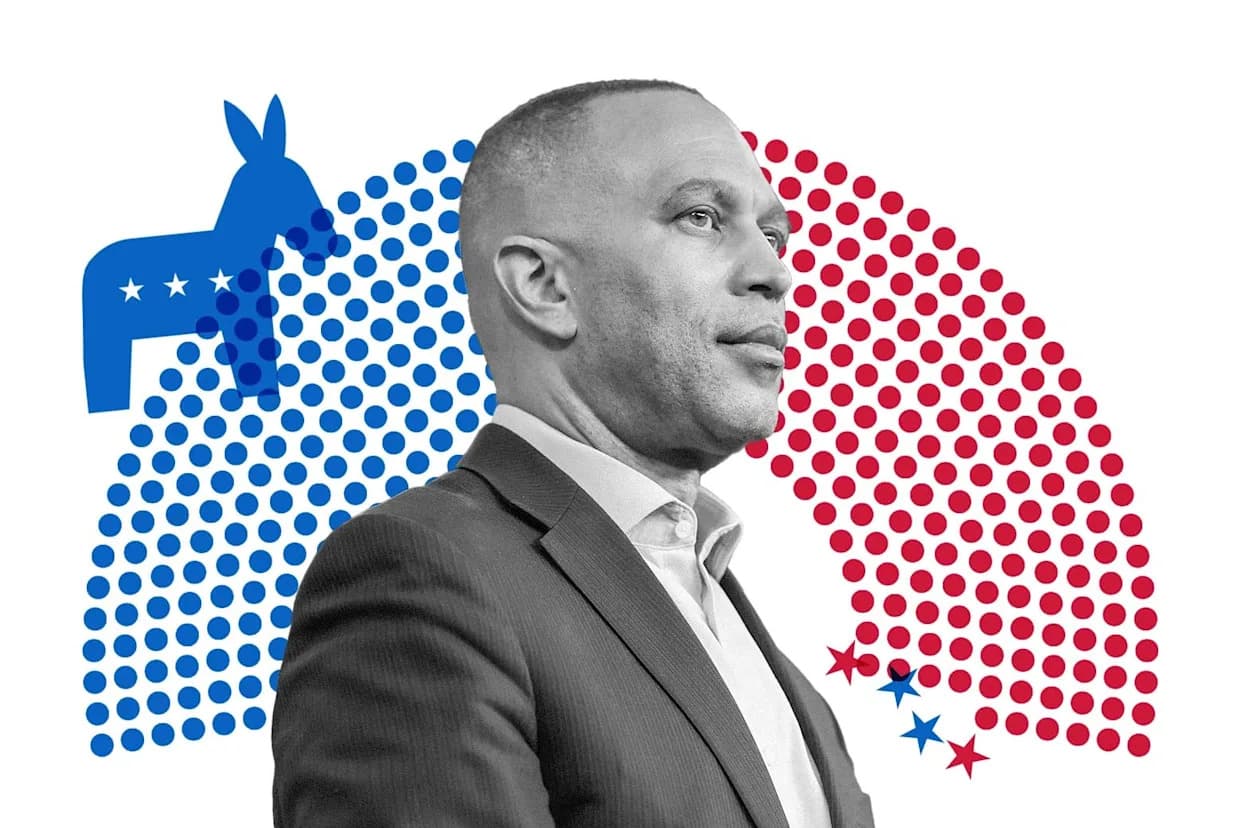
Photo illustration by Slate. Photo by Anna Moneymaker/Getty Images.
This week’s political roundup centers on a consequential Virginia redistricting referendum that could reshape the midcycle map, alongside a contentious Fed nomination, a high‑profile lawsuit by the FBI director, the death of a longtime congressman and a major Republican push for immigration enforcement funding.
Virginia Redistricting: A Midcycle Coup
Voters in Virginia approved a redistricting referendum that Democrats fought for aggressively. Analysts expect the new lines to net Democrats roughly four additional U.S. House seats in the state, potentially shifting momentum in the midcycle redistricting contest the White House encouraged last year. House Democratic Leader Hakeem Jeffries — who devoted significant time and resources to the effort — celebrated the result and warned Florida Republicans considering new maps: "F around and find out," he said, later promising "maximum warfare, everywhere, all the time."
The win is more than seat-count arithmetic. Since Donald Trump returned to the White House, House Democrats have been squeezed between a base demanding relentless confrontation and the practical limits of minority power. The Virginia maps represent the type of bold retaliation many progressive activists sought and mark a notable early victory for Jeffries' leadership, although the new lines are expected to face legal challenges.
Republicans reacted with both outrage and introspection. Some GOP lawmakers privately warned the White House strategy of midcycle gerrymandering could produce unintended consequences, while others deflected responsibility for the plan — which critics attribute to Trump aide James Blair and which has been nicknamed "Blairymandering." Blair has defended the effort publicly, arguing Republicans can still retain a narrow advantage when the cycle is finished.
Fed Nomination: Kevin Warsh and Questions About Independence
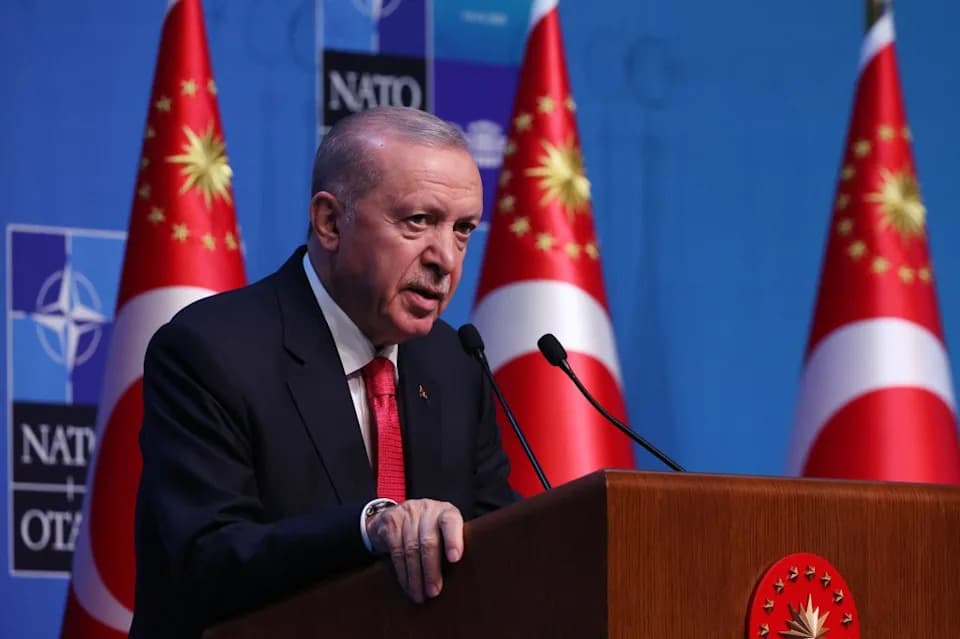
President Trump’s choice to chair the Federal Reserve, Kevin Warsh, appeared likely to be confirmed this week despite concerns about his commitment to central‑bank independence. In his opening testimony Warsh said he was "committed to ensuring that the conduct of monetary policy remains strictly independent," calling that independence "essential." But his performance drew scrutiny when Sen. Elizabeth Warren pressed him about whether Trump lost the 2020 election; Warsh sidestepped direct agreement, saying he would keep politics out of Fed decisions if confirmed and noting the Senate had certified the outcome years ago.
Warsh’s nomination briefly stalled over a separate standoff: Sen. Thom Tillis said he would block Warsh from leaving the Banking Committee until D.C. U.S. Attorney Jeanine Pirro dropped an investigation into Fed chair Jerome Powell. Pirro ultimately directed her office to close the probe after receiving assurances that the Fed’s inspector general would produce a prompt, "comprehensive report" on renovation cost overruns, while reserving the right to reopen the matter if new facts emerge.
FBI Director Kash Patel Sues The Atlantic
The Atlantic published a report alleging recurring concerns about FBI Director Kash Patel’s drinking and corresponding vulnerability to exploitation. Patel denied the claims and filed a $250 million defamation suit against the magazine this week. While such lawsuits face high legal hurdles, the action may limit immediate personnel moves and shift public debate to the strength of the reporting and the suit’s merits.
Congressional Loss: Rep. David Scott
Georgia Rep. David Scott died in office this week, becoming the fourth House Democrat to pass away during the current Congress. Colleagues had long noted his declining health and removed him from a senior committee post after the 2024 election. Scott had filed to run again in 2026. His death reduces the Democratic margin in the chamber and prompted renewed discussion about when colleagues and party leaders should press members to step aside for health or performance reasons.
Homeland Security Funding And A $70 Billion Reconciliation Blueprint
Republicans pursued a two‑step strategy to resolve a lapse in Department of Homeland Security appropriations: pass a bipartisan short‑term DHS funding bill excluding immigration enforcement, then use the reconciliation process to push through a larger, filibuster‑proof package funding immigration agencies. Senate Republicans passed a reconciliation blueprint early Thursday that would allocate about $70 billion to Immigration and Customs Enforcement and Border Patrol over several years, an approach intended to cover these agencies through the remainder of the administration.
Some GOP senators pushed back on keeping reconciliation narrowly tailored. Sen. John Kennedy briefly delayed votes to argue that leaders should add measures addressing pressing voter concerns — such as cost‑of‑living relief — rather than rely on a presumed future reconciliation vehicle that may never materialize.
Bottom line: The week underscored shifting tactics and high stakes in Washington: Democrats secured a tangible midcycle win in Virginia, while Republicans grappled with the political and practical consequences of a strategy that could backfire. Simultaneously, personnel fights, legal battles and budget brinkmanship continued to shape the political calendar.
Help us improve.