The Trump administration reclassified state-licensed medical marijuana from Schedule I to Schedule III, easing regulatory and likely tax burdens for researchers and licensed businesses but not legalizing cannabis or automatically reducing federal sentences. Advocates say the change mainly benefits established industry players while thousands—disproportionately Black and Hispanic—remain incarcerated under harsh marijuana-related sentences. Experts warn rescheduling alone won’t remove marijuana-specific penalties or mandatory minimums, and reformers are urging Congress and states to pursue expungements, resentencing and clemency.
Trump Reclassifies Medical Marijuana — But Will It Help Those Behind Bars?
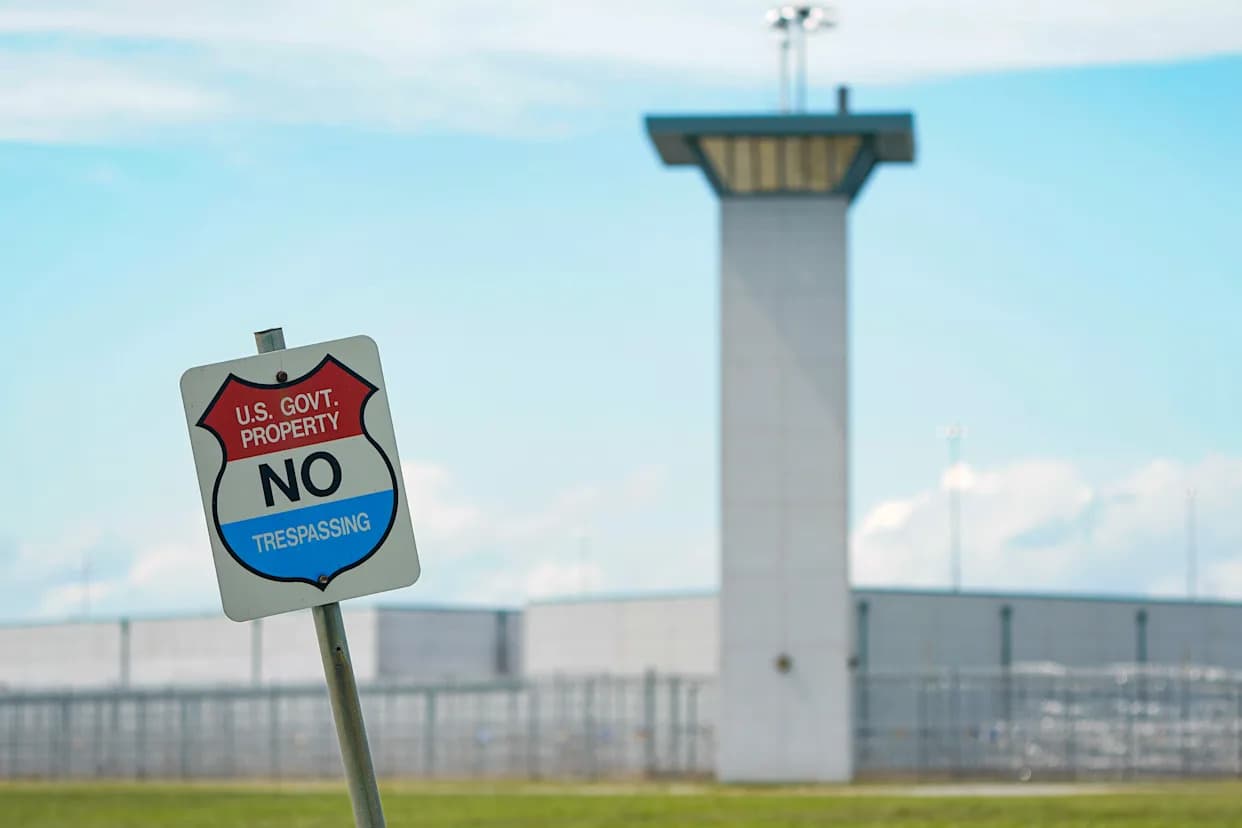
FILE - A no trespassing sign is displayed outside the federal prison complex in Terre Haute, Ind., Friday, Aug. 28, 2020. (AP Photo/Michael Conroy, File)(ASSOCIATED PRESS)
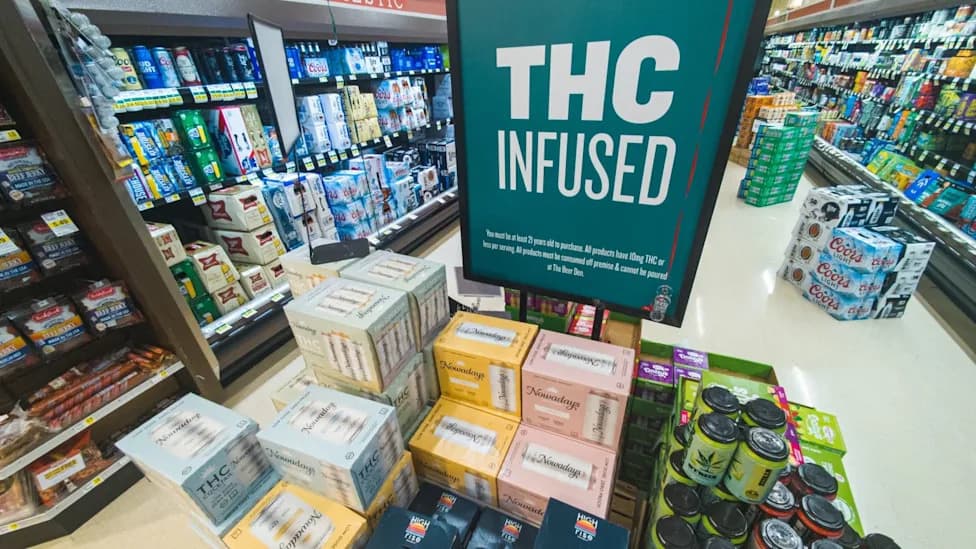
The Trump administration moved state-licensed medical marijuana from Schedule I to Schedule III in an executive action signed by acting Attorney General Todd Blanche. The change removes medical cannabis from the federal category reserved for drugs deemed to have no accepted medical use, but it does not legalize marijuana for medical or recreational use or automatically shorten or overturn existing federal sentences.
What the Rescheduling Actually Does
The directive reclassifies licensed medical cannabis from Schedule I to Schedule III. Practically, that will reduce regulatory barriers for researchers and licensed operators and is expected to improve the tax and banking landscape for legal cannabis businesses—benefiting research, cultivation and distribution in the regulated market. However, it does not erase marijuana-specific criminal penalties, nor does it eliminate mandatory minimums tied to certain federal drug offenses.
Who This Helps — And Who It Doesn't
Advocates and industry groups have cheered the policy shift for opening doors to research and easing commercial burdens. Critics say the move mainly helps established, state-licensed businesses—many owned by white entrepreneurs—while leaving thousands of people, disproportionately Black and Hispanic, behind bars for trafficking, large-scale distribution or related crimes.
“While this is a victory, the fight is far from over,” said Jason Ortiz of the Last Prisoner Project, underscoring that the rescheduling stops short of meaningful relief for people serving long federal sentences.
A Human Face: The McGurk Case
Hector Ruben McGurk, 66, has been serving life without parole since 2007 for transporting thousands of pounds of marijuana and for money laundering. Held more than 800 miles from his family, McGurk’s case highlights the distance between regulatory fixes and the realities of people serving lengthy federal terms. His family says his prison time and health challenges make the rescheduling feel like only a small ray of hope.
“His release date is death,”
said McGurk’s daughter-in-law, Ferna Anguiano, describing how the family struggles to navigate the clemency and resentencing process.
Legal Limits And Racial Disparities
Experts caution that reclassification alone cannot undo marijuana-specific criminal penalties. Cat Packer of the Drug Policy Alliance notes that many statutory penalties do not depend on scheduling and mandatory minimums remain in place for certain offenses. Studies also show stark racial disparities: Black Americans are roughly 3.7 to 4 times more likely to be arrested for marijuana possession than white Americans, despite similar usage rates.
Because many state-licensed cannabis businesses are predominantly white-owned, critics warn the economic benefits of rescheduling could widen existing racial and financial gaps unless paired with targeted equity measures.
What Comes Next
Reform advocates are calling on Congress and state legislatures to act on expungements, resentencing, and broad clemency programs to address the people still serving long terms for marijuana-related offenses. Organizations such as the Last Prisoner Project plan to press the Congressional Cannabis Caucus and pursue large-scale commutations and legislative remedies. Advocates also hope states will reassess their controlled-substance schedules and enforcement policies, since many state laws are tied to federal scheduling.
Bottom line: The rescheduling is a meaningful regulatory shift that helps research and licensed businesses, but it is not a cure for the criminal justice harms caused by decades of marijuana enforcement. Lawmakers and advocates say legislative and clemency actions are still needed to deliver relief to those behind bars.
Help us improve.