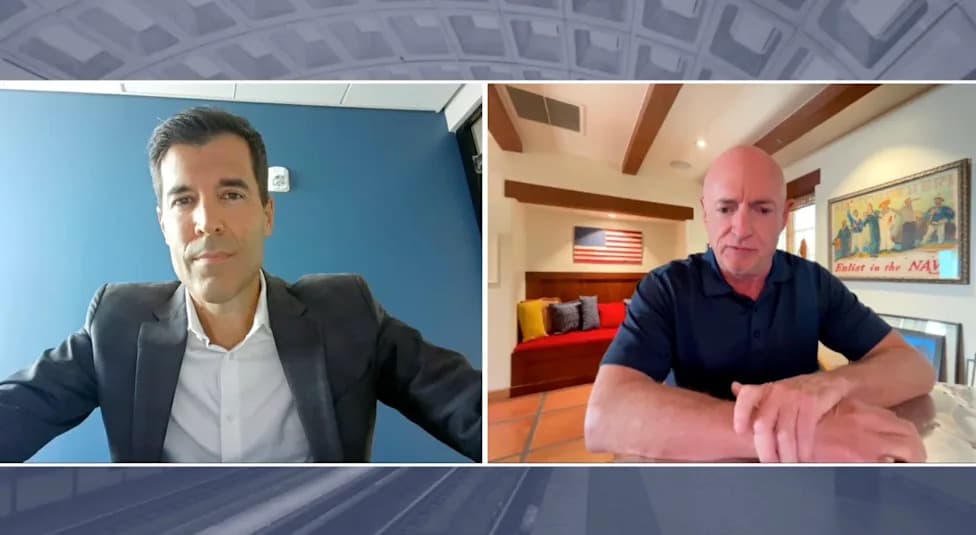
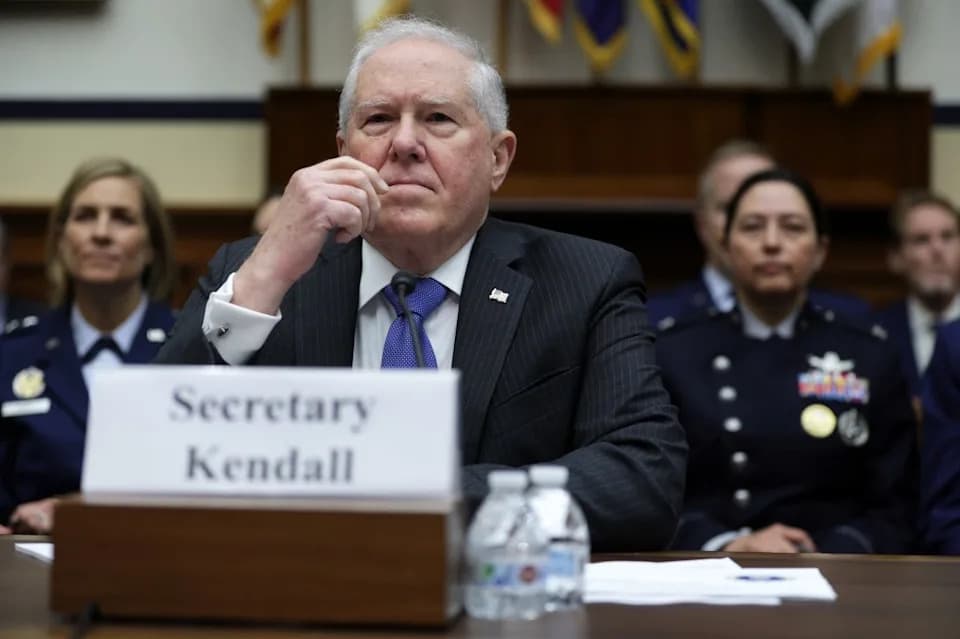
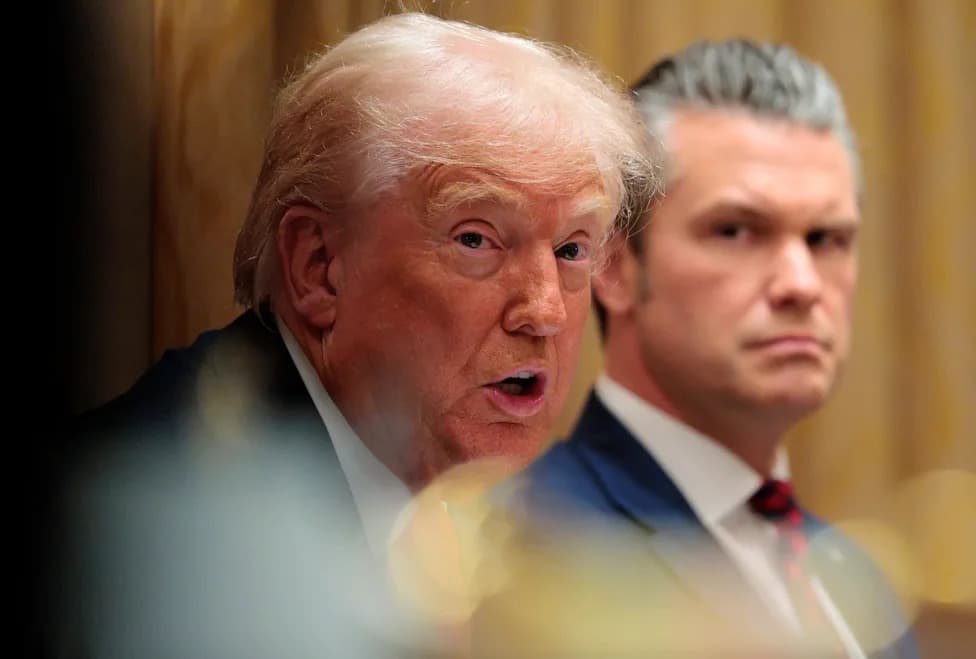
FIRE argues that Defense Secretary Pete Hegseth's effort to punish Sen. Mark Kelly would dangerously expand military speech rules to retirees. The administration relies on Parker v. Levy (1974), a case about active-duty command relationships, to justify sanctions, but FIRE says that precedent does not cover civilians who happen to be retired military. Extending the rule to retirees would chill public debate, deter experienced voices from informing policy, and risk a broader erosion of First Amendment protections for other pensioned public employees.
Censoring Retired Officers Like Sen. Mark Kelly Would Erode First Amendment Protections, FIRE Warns
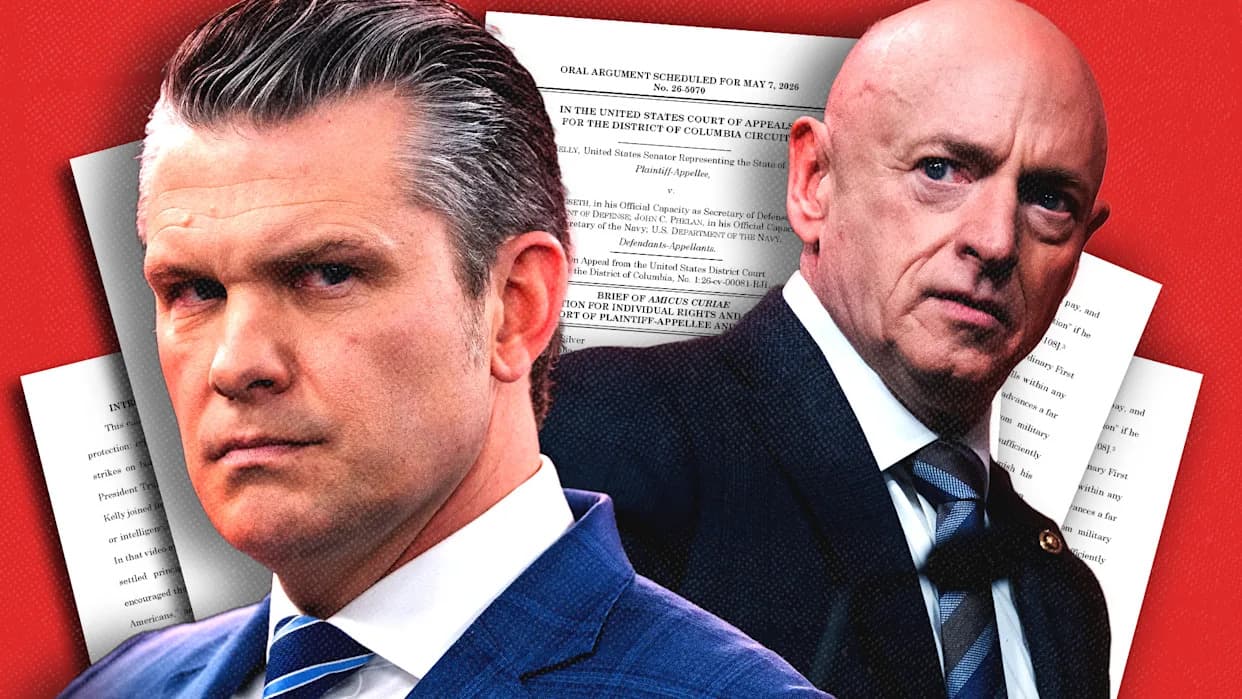
Allowing Censorship of Military Retirees Like Sen. Mark Kelly Would Set a Chilling and Dangerous Precedent
Defense Secretary Pete Hegseth has asserted that he can discipline Sen. Mark Kelly—a retired U.S. Navy captain and sitting member of Congress—for public comments criticizing Pentagon policy, arguing that Kelly's continuing status as a retiree subjects him to military speech restrictions. Hegseth grounded his position chiefly in the Supreme Court's 1974 decision in Parker v. Levy, a case involving active-duty conduct during the Vietnam War. The Foundation for Individual Rights and Expression (FIRE) has filed a brief urging the D.C. Circuit to uphold a preliminary injunction that prevents Hegseth from reducing Kelly's retirement rank or pension or pursuing other sanctions.
Background
On November 18, Sen. Kelly and five other Democratic lawmakers published a video reminding service members of their duty to "refuse illegal orders." The video did not reference any specific order but appeared amid controversial domestic military deployments and Pentagon strikes on suspected drug-smuggling vessels—policies Kelly has publicly criticized. In a January 5 letter of censure, Hegseth described the video and other statements by Kelly as "prejudicial to good order and discipline" and warned that Kelly could face administrative or criminal consequences and a reduction in retirement benefits.
What The Government Argues
The administration does not claim Kelly's remarks fall into any traditional category of unprotected speech. Instead, it maintains that because Kelly retired rather than receiving a discharge, he remains sufficiently connected to the armed forces that his speech may be punished under military restrictions derived from Parker v. Levy. In short: the government's position rests on the speaker's status as a retiree rather than on any present duty, command relationship, or operational necessity.
FIRE's Legal Counterargument
FIRE's brief contends that Parker is inapposite because it involved an active-duty Army physician who publicly urged soldiers to disobey orders during wartime. The Supreme Court in Parker emphasized the unique demands of military command and obedience within a "separate" and "specialized society." FIRE argues that extending Parker to retirees would convert a contextual, duty-based rule into a permanent, status-based exception to the First Amendment—one untethered from the operational needs that justify any military limitation on speech.
"A rule untethered from present command, present duty, and present operational necessity is not a military-specific rule at all," FIRE warns. "Rather, it is a speaker-based exception masquerading as one."
Historical Context And Practical Consequences
FIRE documents a long history of retired military leaders participating robustly in political debate. It cites Revolutionary War veterans who served in Congress and the example of Major Gen. Smedley Butler, who after retiring in 1931 publicly denounced U.S. interventionist policy in speeches and his book War Is a Racket. The brief stresses that the government points to no settled practice of treating retirees' speech as categorically outside First Amendment protection simply because they receive pensions.
Seventy-three former admirals, generals, and service secretaries filed a separate brief warning that Hegseth's threats have already chilled debate among retirees. FIRE echoes this concern: if retired officers risk censure, loss of benefits, or additional penalties for criticizing policy, many will opt for silence or praise instead of offering candid, experience-based perspectives on matters like war powers, readiness, procurement, and veterans' affairs.
Broader Risks
FIRE cautions that an untethered, status-based rule could be extended beyond the military to retired civil servants, law-enforcement officers, intelligence personnel, and other pensioned former employees—eroding First Amendment protections across the public sector. Such a doctrinal shift would replace the existing approach, which ties reduced protection to specific operational necessities, with an indefinite exception grounded solely in former affiliation.
Bottom Line: FIRE urges the court to reject the government's theory because it lacks limiting principles, threatens to chill political speech, and would create a dangerous new category of unprotected expression based on status rather than present duty or necessity.
Originally published on Reason.com. This account summarizes FIRE's brief and supporting filings in Kelly v. Hegseth.
Help us improve.