King Charles III will embark on a four-day state visit to the U.S. beginning April 27, including a White House banquet and a Congressional address on April 28 to mark the 250th anniversary of American independence. Several British MPs, led by Liberal Democrat Ed Davey, have urged Prime Minister Keir Starmer to cancel the trip amid tensions over the Iran war and President Trump’s public criticisms and tariff threat. Supporters argue the visit could help repair frayed relations; opponents say it risks legitimizing a president who has attacked the U.K. Public opinion is divided.
Why British Lawmakers Are Urging the Cancellation of King Charles’ U.S. State Visit
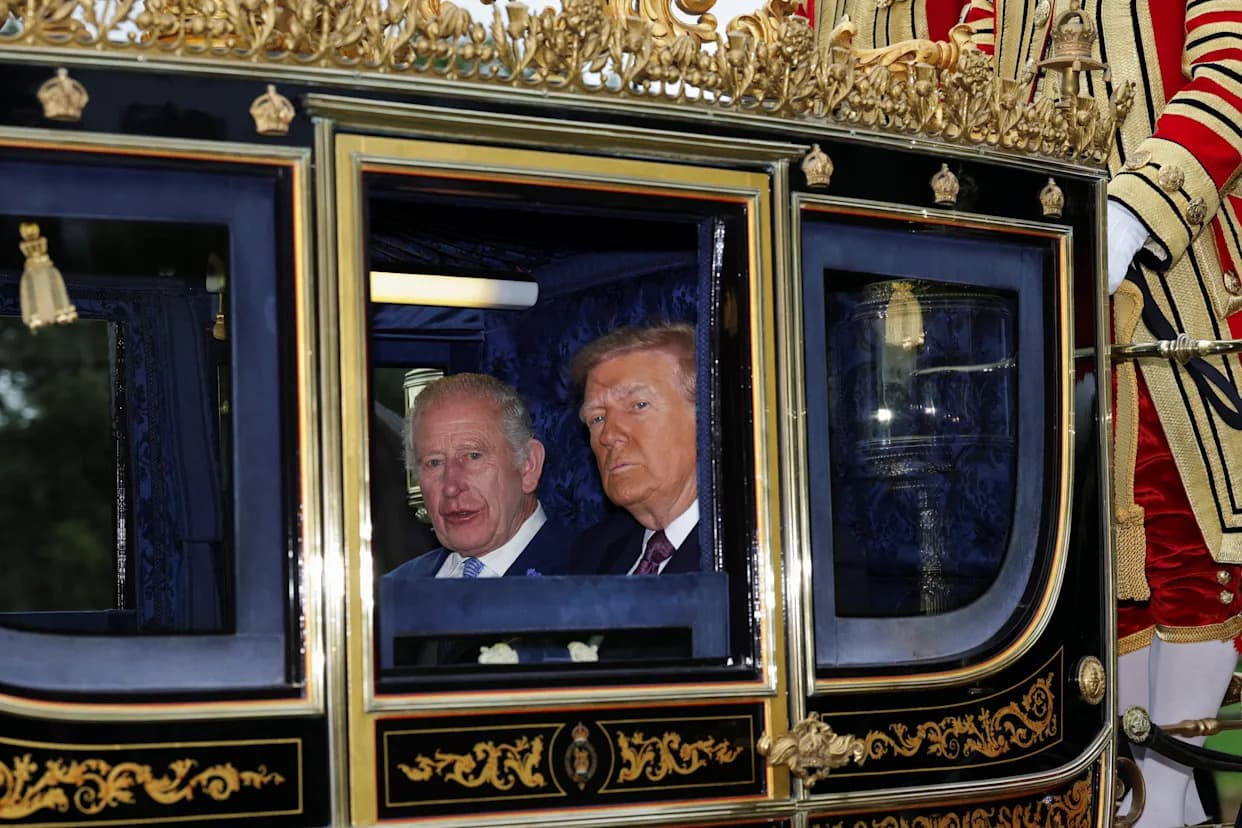
King Charles III and U.S. President Donald Trump sit in a carriage during a procession through Windsor Castle on Sept. 17, 2025, in Windsor, England. —Toby Melville—Getty Images
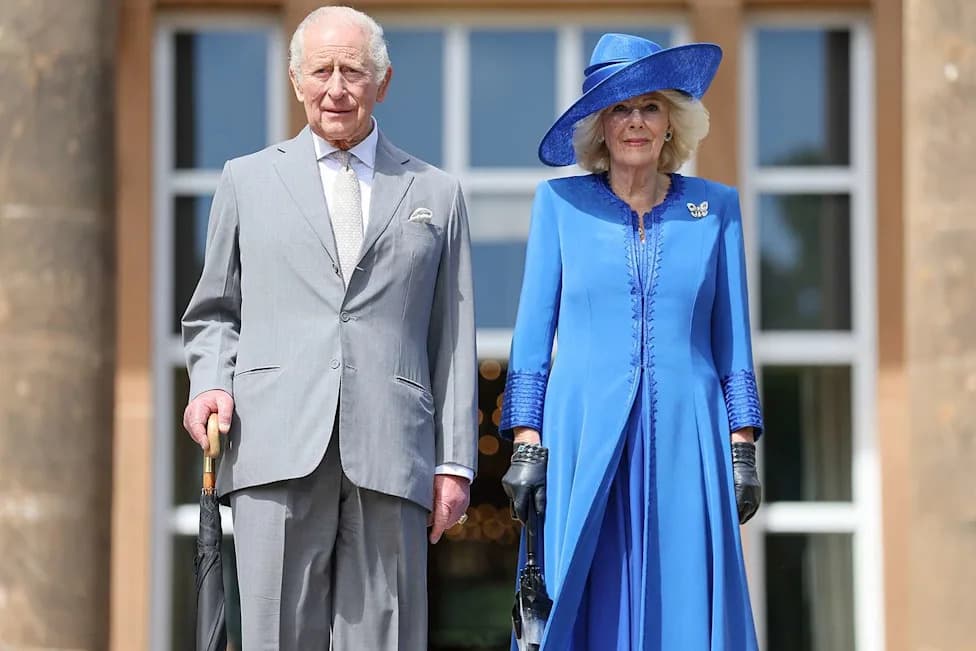
King Charles III is due to begin a four-day state visit to Washington, D.C., on April 27, including a White House state banquet for the King and Queen Consort Camilla and an address to a joint session of Congress on April 28. The trip—meant to mark the 250th anniversary of American independence—also includes stops in Virginia and New York.
Backdrop: Diplomacy Amid Rising Tensions
The visit would be the first U.S. state visit by a British monarch since Queen Elizabeth II's trip in 2007. But it comes at a fraught moment in U.K.–U.S. relations: the fallout from the war in Iran has strained cooperation between Westminster and Washington, and high-profile exchanges between President Donald Trump and Prime Minister Keir Starmer have heightened political friction.
Why Some Lawmakers Want It Canceled
Several British MPs, led by Liberal Democrat leader Ed Davey, have urged Prime Minister Starmer to call off the visit. Critics cite Mr. Trump's public criticisms of the U.K., his threat this week to impose a "big tariff" if Britain does not drop its digital services tax on U.S. tech firms, and the broader geopolitical fallout from the Iran war. Davey has argued the visit would amount to a diplomatic prize for a president who has publicly attacked the U.K.
“Why is Keir Starmer rewarding this bullying behaviour with a state visit from the King?” — Ed Davey
Defence of the Visit
Prime Minister Keir Starmer and other supporters say the state visit transcends any single administration and should celebrate the long-standing bonds between the two countries. Starmer has emphasized that the visit is intended to mark historic ties and that he will act in the U.K.'s national interest despite diplomatic tensions.
Foreign policy experts caution that canceling the visit could carry significant diplomatic costs. Evie Aspinall, director of the British Foreign Policy Group, told reporters that a withdrawal might provoke retaliatory rhetoric, trade threats and potential damage to security cooperation.
Parliamentary Voices and Public Opinion
Beyond the Liberal Democrats, the Green Party's Zack Polanski and some Labour figures have expressed concern or called for a delay. Emily Thornberry, a senior Labour MP, suggested it is reasonable to question whether proceeding amid war is appropriate.
Public sentiment is divided: a YouGov poll published in late March found 49% of Britons opposed the visit while 33% supported it.
Itinerary Highlights
- White House state banquet in Washington, D.C.
- Address to a joint session of the U.S. Congress (April 28)
- Wreath-laying at the 9/11 Memorial in New York
- Visits in Virginia to meet Appalachian and Indigenous communities
What’s At Stake
The debate reflects competing priorities: using high-profile diplomacy to shore up an important strategic partnership versus avoiding the appearance of rewarding conduct critics see as hostile or destabilizing. How the U.K. manages the visit will affect trade discussions, public perception at home, and the broader pattern of transatlantic cooperation.
Bottom line: The state visit is intended as a symbolic reaffirmation of deep U.K.–U.S. ties, but heated political and diplomatic disputes have made it a contentious and consequential moment for both governments.
Help us improve.