Gov. Josh Shapiro is leveraging his reelection campaign to try to give Democrats control of Pennsylvania’s Legislature and to influence key congressional primaries. He has invested more than $900,000 in the state party, endorsed several House candidates and produced ads for competitive primaries. Republicans — including Trump, J.D. Vance and Speaker Mike Johnson — are actively campaigning to defend contested districts. Strategists say success in Pennsylvania could boost Shapiro’s influence with donors and party leaders, even if it doesn’t guarantee future national ambitions.
Shapiro Tests Political Muscle, Pushes for a Democratic Trifecta in Swing-State Pennsylvania
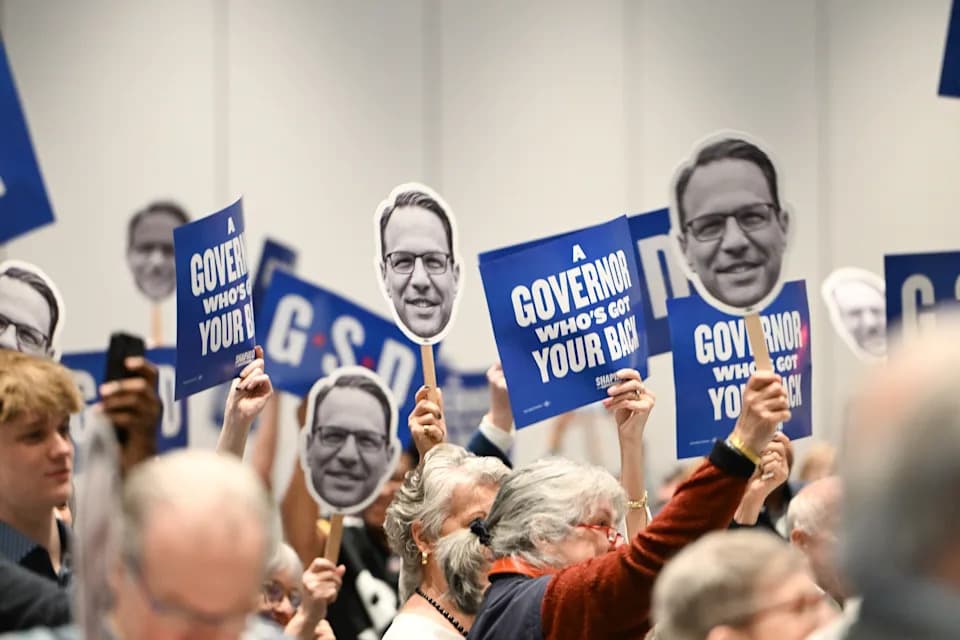
FILE - The crowd reacts to Pennsylvania Gov. Josh Shapiro while he speaks at a Centre County Democratic Party event at the Penn Stater hotel, April 11, 2026, in State College, Pa. (AP Photo/Marc Levy, File)(ASSOCIATED PRESS)
LOCK HAVEN, Pa. — Gov. Josh Shapiro, widely favored for reelection, is using his 2026 campaign to pursue broader stakes: flipping Pennsylvania’s state Legislature, shaping competitive congressional primaries, and demonstrating statewide political strength that could matter to Democrats nationally.

FILE - Pennsylvania Gov. Josh Shapiro smiles as he's introduced to the crowd at a Clinton County Democratic Party event at the Avenue 209 coffee shop, April 11, 2026, in Lock Haven, Pa. (AP Photo/Marc Levy, File)(ASSOCIATED PRESS)
What He’s Doing
As he ramps up appearances across the state, Shapiro has poured more than $900,000 into the Pennsylvania Democratic Party this cycle and helped install a party chair aligned with his team. He has publicly endorsed several House hopefuls — including Scranton Mayor Paige Cognetti, firefighters’ union leader Bob Brooks and former TV personality Janelle Stelson — and produced at least one campaign ad for a key primary candidate.
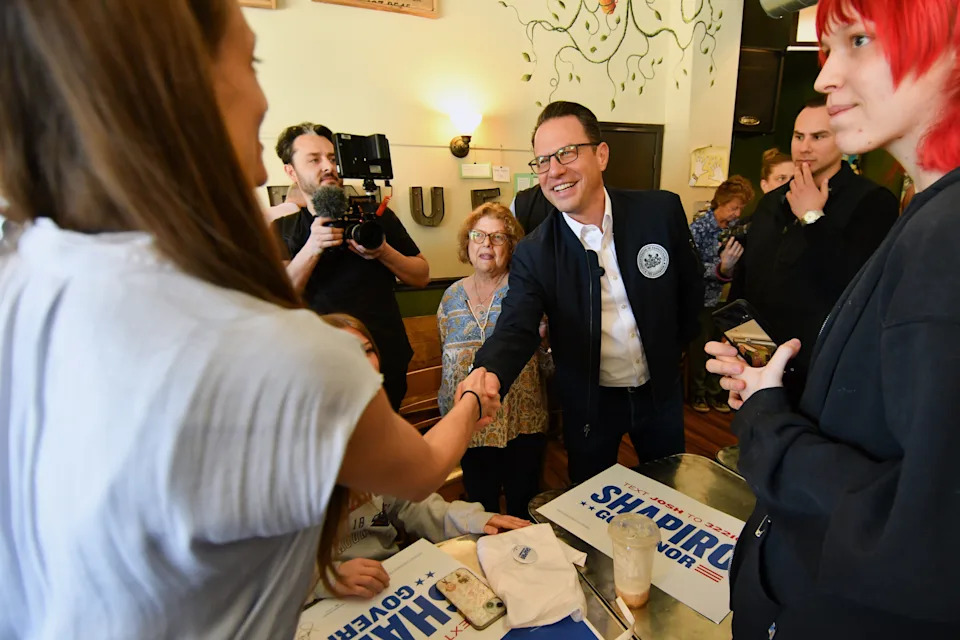
FILE - Pennsylvania Gov. Josh Shapiro greets members of the crowd after speaking at a Clinton County Democratic Party event at the Avenue 209 coffee shop, April 11, 2026, in Lock Haven, Pa. (AP Photo/Marc Levy, File)(ASSOCIATED PRESS)
Why It Matters
Democrats aim to flip four U.S. House seats in Pennsylvania and wrest control of the state Legislature. Today Democrats hold a slim one-seat majority in the state House and have not controlled the state Senate in more than three decades. A so-called Democratic "trifecta" — the governor’s office plus both legislative chambers — would allow Shapiro and his allies to pursue stalled priorities such as a higher minimum wage, stronger legal protections for LGBTQ residents and housing affordability measures.
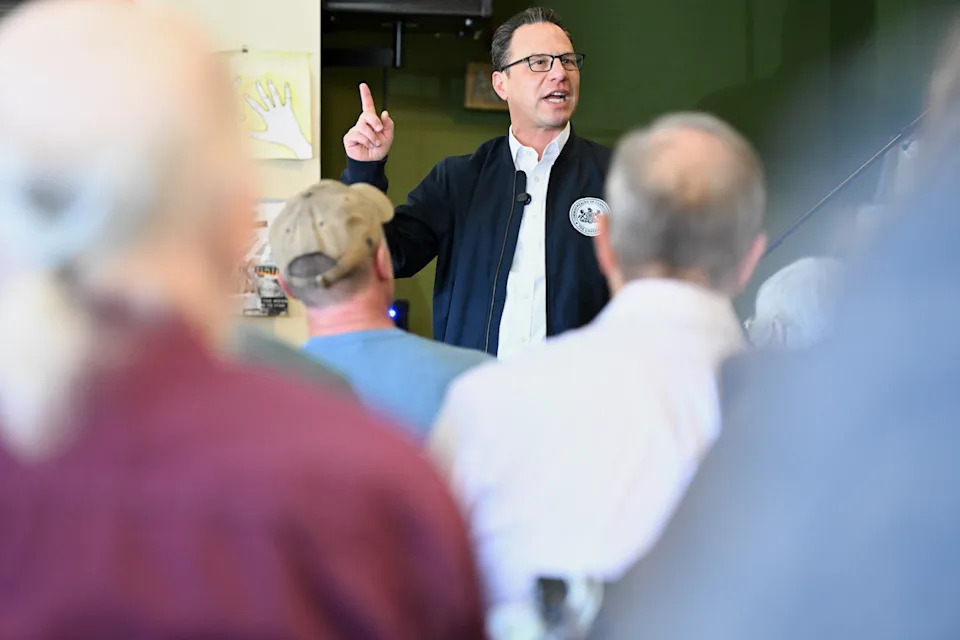
FILE - Pennsylvania Gov. Josh Shapiro speaks to the crowd at a Clinton County Democratic Party event at the Avenue 209 coffee shop, April 11, 2026, in Lock Haven, Pa. (AP Photo/Marc Levy, File)(ASSOCIATED PRESS)
Political Stakes And National Implications
Shapiro’s active role in down-ballot races mirrors moves by other governors who are seen as potential presidential prospects. He has declined to say whether he plans a White House run but has emphasized a desire to shape the party’s direction. Political strategists say success in flipping seats and building institutional backing can significantly enhance a politician’s standing with donors, activists and party leaders — even if it does not directly translate into broader voter appeal.
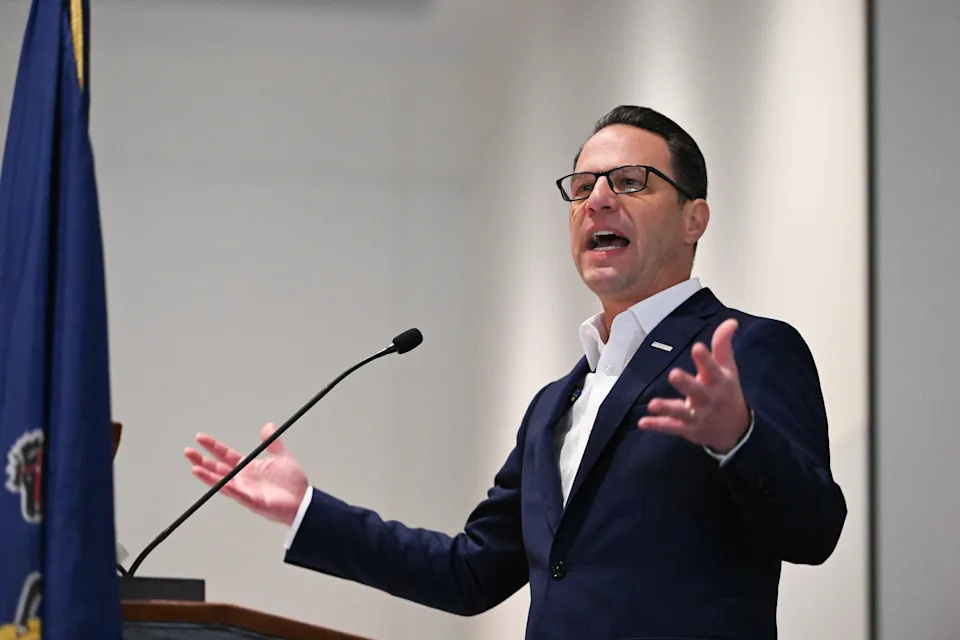
FILE - Pennsylvania Gov. Josh Shapiro speaks to the crowd at a Centre County Democratic Party event at the Penn Stater hotel, April 11, 2026, in State College, Pa. (AP Photo/Marc Levy, File)(ASSOCIATED PRESS)
“The only thing I am focused on is beating my opponent for governor and helping other Democrats get elected here,” Shapiro told reporters, adding that he wants to send a message about rejecting the “chaos, cruelty and corruption” he associates with Donald Trump.
Republican Counterplay
Republicans have mobilized high-profile surrogates to contest the ground Shapiro is trying to build. Former President Donald Trump, Sen. J.D. Vance and House Speaker Mike Johnson have visited or are expected to visit Pennsylvania districts that are central to the fight for the U.S. House majority. Shapiro’s Republican opponent for governor, state Treasurer Stacy Garrity, accuses him of prioritizing national ambition over local needs.
On-the-Ground Momentum
Shapiro has drawn sizable crowds in both population centers and small communities, energizing some longtime Democrats and attracting independents and even Republicans at events in Centre and Clinton counties. Local party chairs say his appearances are bringing new volunteers and re-engaging infrequent voters.
Bottom Line
For Shapiro, this cycle is both a governing and a political test: can he translate statewide popularity into practical gains for his party and build the organizational muscle that matters to national power brokers? Strategists emphasize that while success won’t guarantee future ambitions, demonstrating the ability to flip seats and marshal resources is a valuable credential in modern presidential politics.
Help us improve.