Following Viktor Orbán's recent electoral defeat, parts of the U.S. conservative movement face scrutiny for their longstanding praise of his "illiberal" model. Critics—including Sen. Mitch McConnell—point to democratic erosion, cronyism and poor economic performance under Orbán, despite his appeal to culture-focused conservatives. The article argues that idolizing foreign authoritarian-leaning leaders is dangerous and urges a return to classical liberal principles that protect freedom and prosperity.
Orbán's Defeat Exposes the New Right's Obsession With Foreign 'Strongmen'
After Viktor Orbán's Defeat in Hungary, the 'New Right' Needs a New Foreign Despot To Admire
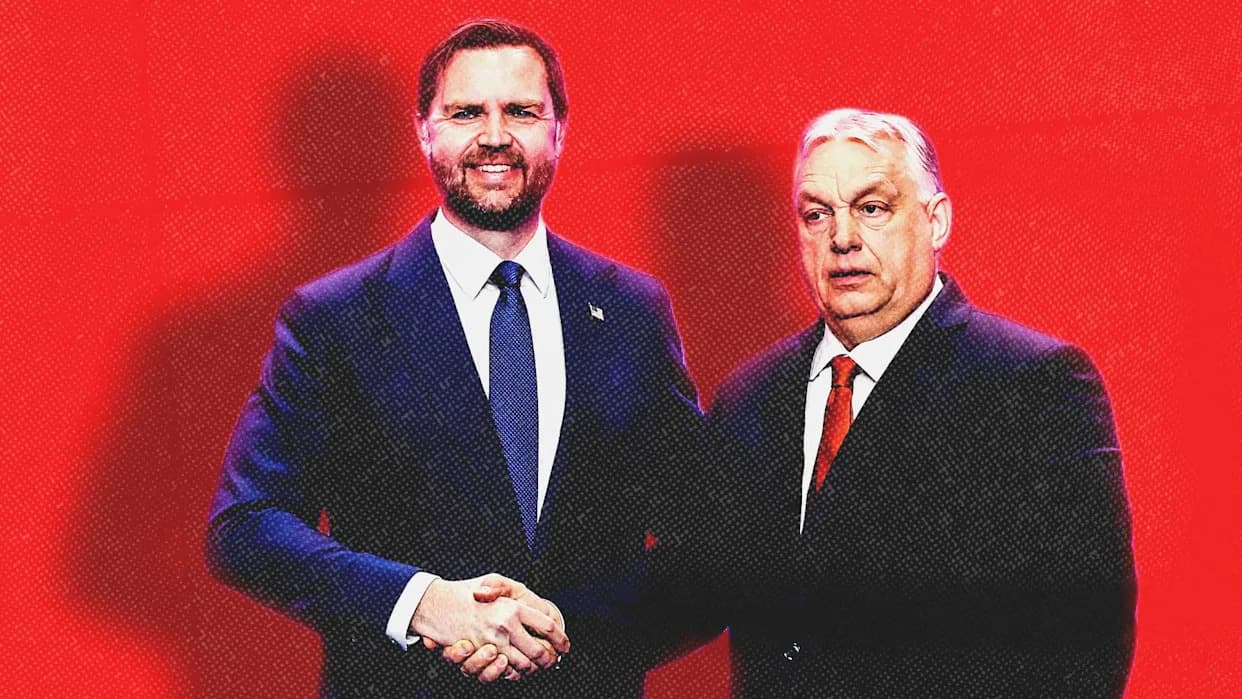
Viktor Orbán's electoral defeat in Hungary has prompted a reckoning among parts of the American right that long lionized his self-described "illiberal" model. What looked to some U.S. conservatives like a blueprint for cultural conservatism and centralized power instead left Hungary with diminished freedoms, stalled economic progress and growing accusations of cronyism.
Echoes of the Past: Ortega and the 1980s Left
The American left's 1980s fascination with Daniel Ortega and the Sandinistas—despite the movement's authoritarian tendencies—offers a historical parallel. Then, delegations of progressive Americans toured Nicaragua, sometimes defending a regime modeled on Cuba even as the country proved politically repressive. That episode helps illuminate today's phenomenon on the right: the tendency to romanticize foreign leaders who appear to advance preferred cultural or social aims, despite democratic backsliding.
Why Orbán Attracted the U.S. Right
Orbán served as Hungary's prime minister for 16 years and promoted a vision he called "illiberal democracy," which rejects classical liberal constraints on executive power. Many U.S. national conservatives admired his anti-immigration stance, cultural-conservative policies, and willingness to centralize political control—seeing in Hungary a potential template for similar reforms at home.
Mitch McConnell observed: "Hungarian politics has persisted as an object of intense fascination in certain corners of the American right." He called the admiration "endlessly puzzling," noting the country's diminishing liberties and alleged "industrial-scale" corruption.
Pushback and Political Consequences
Despite fierce support from some U.S. political figures, Hungarian voters decisively rebuked Orbán and his Russia-friendly Fidesz party in a recent election. The result has prompted debate in the United States: some defenders dismissed Orbán's record as exaggerated, while critics pointed to long-term institutional erosion—what scholars call "stealth authoritarianism." The Democratic Erosion Consortium and other analysts argue Orbán slowly hollowed out democratic checks and centralized power without the overt theatrics of an abrupt coup.
Domestic fallout in Hungary is also unfolding: new Prime Minister Péter Magyar accused Orbán of diverting public funds to host CPAC and said his government would cut off that funding, per reporting in Politico. On the American right, responses ranged from public denunciations of Orbán's opponents to social-media defenses, illustrating deep divisions about the costs and benefits of emulating foreign strongmen.
Economic And Social Consequences
Independent observers, including the Cato Institute, document Hungary's slide on freedom indices and note that state intervention in the economy and attacks on private property have left the country lagging behind regional peers economically. Even policies that subsidized religion and families did not stem declines in church attendance or birthrates, complicating the case that Orbán's model delivered the cultural revival his admirers promised.
Conclusion: Rediscovering Classical Liberalism
The lesson is bipartisan: neither left nor right should romanticize authoritarian-leaning foreign leaders as easy templates for domestic policy. The American conservative movement would better serve its goals by re-engaging with classical liberal principles—rule of law, constrained government, free markets and individual liberty—rather than endorsing concentrated power in the hope of engineered cultural outcomes.
This column was first published in The Orange County Register and originally appeared on Reason.com.
Help us improve.