MS NOW reporters traveled across the U.S. to record working-class Americans’ reactions to rising costs and shrinking supports under President Trump. Interviews with fishermen, farmers and seniors revealed deep economic anxiety, with many describing conditions as "desolate" or "bleak." Reporters highlighted how global events, such as instability near the Strait of Hormuz, raise fuel and fertilizer prices and threaten family farms. The team intentionally sampled diverse neighborhoods to capture a broad cross-section of public sentiment.
MS NOW Reporters Hit the Road: Anger, Strain and Disillusion in Trump’s America
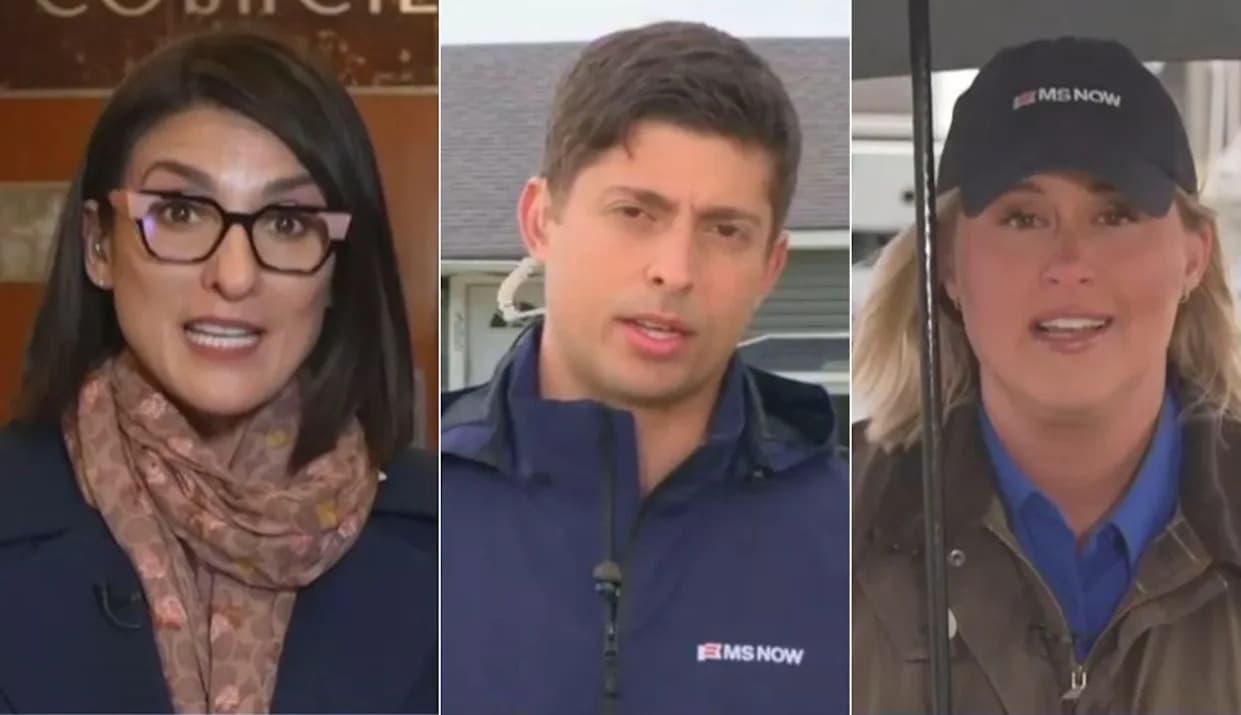
MS NOW correspondents spent weeks traveling through communities across President Donald Trump’s America, recording reactions from working-class voters confronting rising costs, shrinking social supports and growing frustration with national leadership.
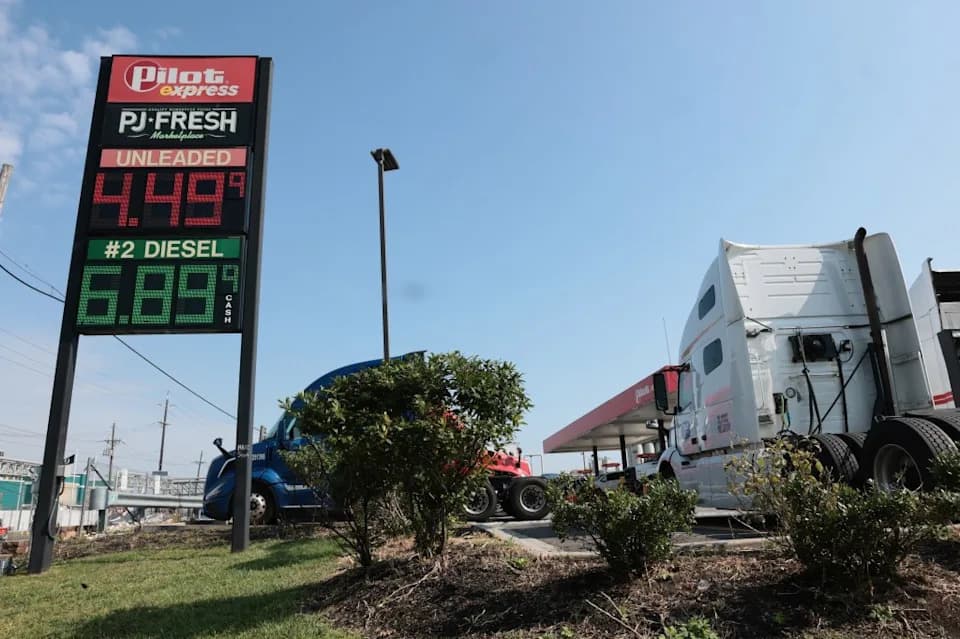
"This could be the final straw for a lot of people, for a lot of people in this industry, man," Florida fisherman Richard Osburn told correspondent Alex Tabet on March 20. "I mean, we’re already taxed to death on everything—tackle, the cost of operation, and then the fuel going up. It could be a nail in the coffin for a lot of people. And it’s sad."
When asked to sum up the economy in one word, Tabet said interviewees often responded with blunt terms: "desolate," "really bad," "awful," "ridiculous," "horrible," "a tragedy," and "really, really bleak." Those short, candid replies cut through punditry and reveal how many Americans experience daily economic pressure.
MS NOW reporters intentionally amplify voices that rarely get airtime on cable: the angler who can’t afford tackle, the senior who lost benefits, the farmer facing a potential failed harvest. Laura Haefeli recalled a conversation with Arizona farmer John Boelts that "really stuck with me." Boelts told Haefeli that instability affecting routes such as the Strait of Hormuz raises diesel and fertilizer costs immediately. "He told me one missed harvest could mean a million-dollar loss," she said, underscoring how thin margins make family farms vulnerable.
Haefeli added that ordinary Americans are often the ones paying the price for distant geopolitical decisions. Higher diesel prices, more expensive fertilizer and climbing grocery bills leave little room for families to absorb shocks. She described people in Arizona choosing to walk to work in 106-degree heat rather than drive, and neighbors deciding which groceries are essential and which to skip.
Rosa Flores remembered meeting 62-year-old Chandra Malone at a No Kings protest in Austin. Malone, who said she’d lost her food stamps and now stays home to save on gas, arrived in a pirate costume "to take America back." Flores said the blend of anger and defiant energy was unforgettable.
Tabet explained his approach to selecting interview locations: choose counties and neighborhoods that reflect a state’s political leanings and a representative socioeconomic mix. In Florida, for example, he visited Port St. Lucie to capture perspectives from a more conservative-leaning county outside his West Palm Beach base.
The reporting surfaced a broad range of voices. Rafael Munoz, who once named his junk-removal business MAGA, said he remains a Trump supporter but wants tougher leadership: "As the commander-in-chief, you gotta take it into your own hands, regardless... somebody with cojones." Tabet’s goal is to present authentic views wherever he finds them—Trump rallies, Harris events, gas station parking lots or neighborhood streets.
Polls provide one measure: an AP/NORC survey released the same week found 70% of Americans disapprove of the president’s handling of the economy. But MS NOW reporters argue that street-level interviews add a human dimension to those numbers: the strained faces, the concrete examples, and the small decisions that signal deeper distress.
Why This Reporting Matters
Rising fuel and fertilizer costs, stiffer operating expenses and dwindling supports push fragile family budgets to breaking point. By elevating first-person accounts from farmers, fishers, seniors and small-business owners, MS NOW aims to show how policy and global events translate into local hardship and why those stories deserve attention in national debate.
Reporting originally appeared on Mediaite.
Help us improve.