South Korea has pushed back against criticism from U.S. lawmakers over its investigation into e‑commerce firm Coupang, following a data breach that exposed information on more than 30 million customers. Seoul says the probe follows domestic law and due process, while U.S. Republican lawmakers allege discriminatory, government-wide actions. Reports that the dispute touched on high-level security talks — including plans for nuclear-powered submarines — have deepened tensions between the allies.
South Korea Pushes Back: Coupang Probe Strains U.S. Ties as Security Talks Loom

US-listed Coupang's South Korean arm operates the country's most popular shopping platform (Jung Yeon-je)(Jung Yeon-je/AFP/AFP)
South Korea on Thursday rejected criticism from U.S. lawmakers and defended its investigation into Coupang — the U.S.-listed group's Korean unit that operates the country's most popular online shopping platform.
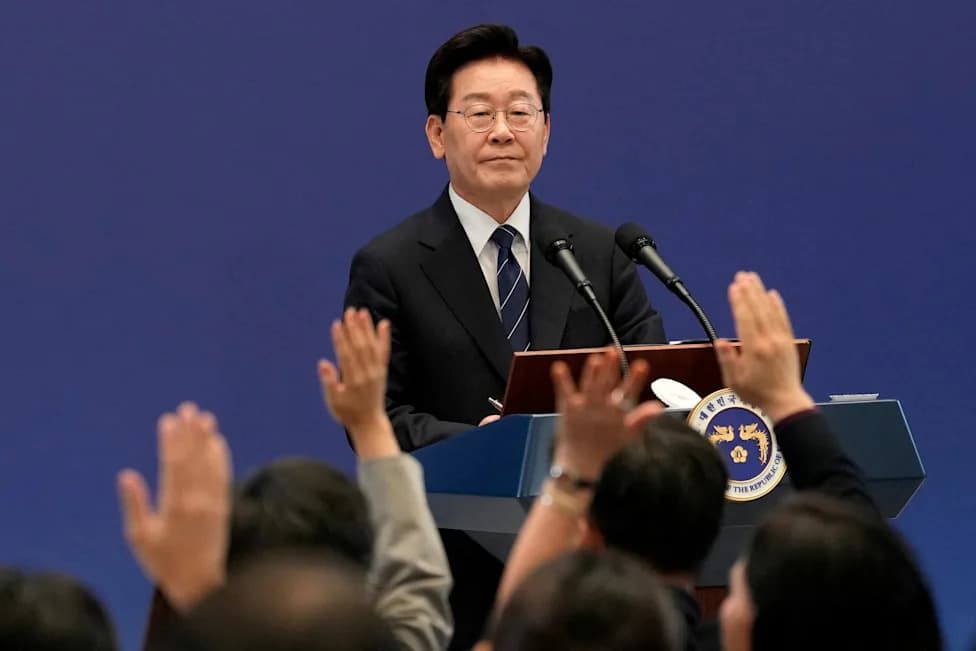
The inquiry follows a large data breach last year that exposed personal information for more than 30 million customers. South Korean authorities are examining potential negligence and regulatory violations; the foreign ministry said the probe "is being conducted in strict accordance with our domestic laws and due process" and emphasized it is not targeting American firms.
Republican lawmakers in Washington sent a letter to South Korea's ambassador calling for an end to what they described as "discriminatory regulatory actions" against U.S. businesses. The letter alleged that Seoul used a "low-sensitivity" data leak as a pretext for a "whole-of-government assault" that included raids, heavy fines, unprecedented tax audits and pressure on public pension funds to divest their Coupang holdings.
Several South Korean media outlets reported this week that U.S. negotiators asked Seoul to guarantee legal protections for Coupang chairman Kim Bom (also known as Kim Bom-suk), an American citizen — including lifting a travel ban and assuring he would not be arrested or detained when visiting the country. Neither Washington nor Seoul has publicly confirmed such demands, and South Korea has not confirmed any link between the reports and ongoing security discussions.
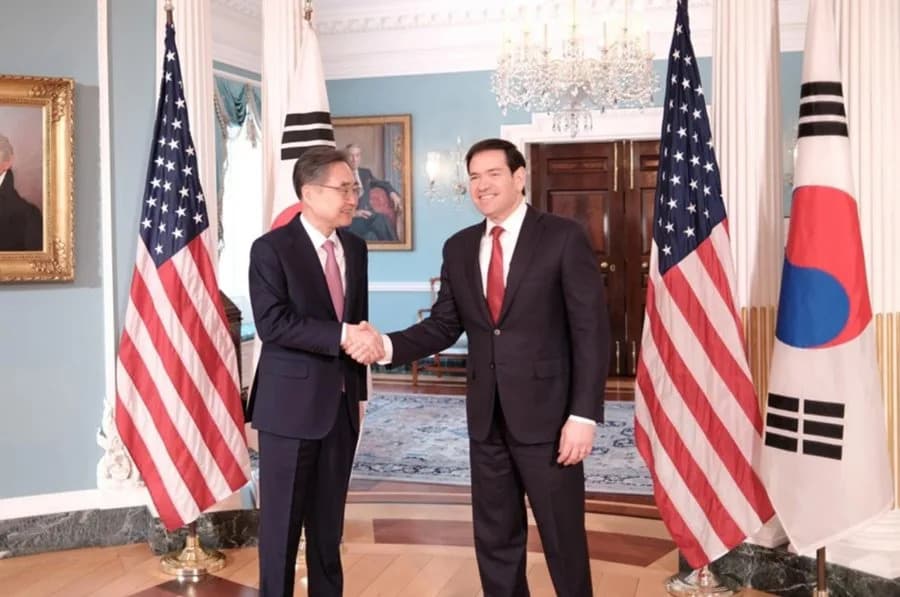
The dispute has taken on added significance because the security talks involve plans to acquire nuclear-powered submarines as a deterrent against North Korea. The two countries remain close economic and defense partners, with roughly 28,500 U.S. troops stationed in South Korea.
Coupang declined to confirm Kim's current whereabouts. Seoul said discussions with Washington about a security agreement should proceed separately from matters related to the company.
Why it matters: The case highlights how commercial and regulatory disputes can spill into strategic diplomacy, testing the balance between national legal authority and protections for foreign investors amid sensitive security negotiations.
Help us improve.