Overview: Iran resumed attacks on commercial vessels in the Strait of Hormuz after President Trump extended a ceasefire indefinitely while keeping a U.S. naval blockade in place. CENTCOM said about 29–31 vessels were directed to turn back under the blockade, and three merchant ships were reported attacked. The standoff has driven up energy and jet-fuel prices, prompted airline cuts and raised concerns about subsea communications cables and broader supply-chain fallout. U.S. military deployments remain heavy and political tensions are high in Washington and Tehran.
Strait of Hormuz Escalation: Iran Attacks Ships After Trump Extends Ceasefire — Latest Developments
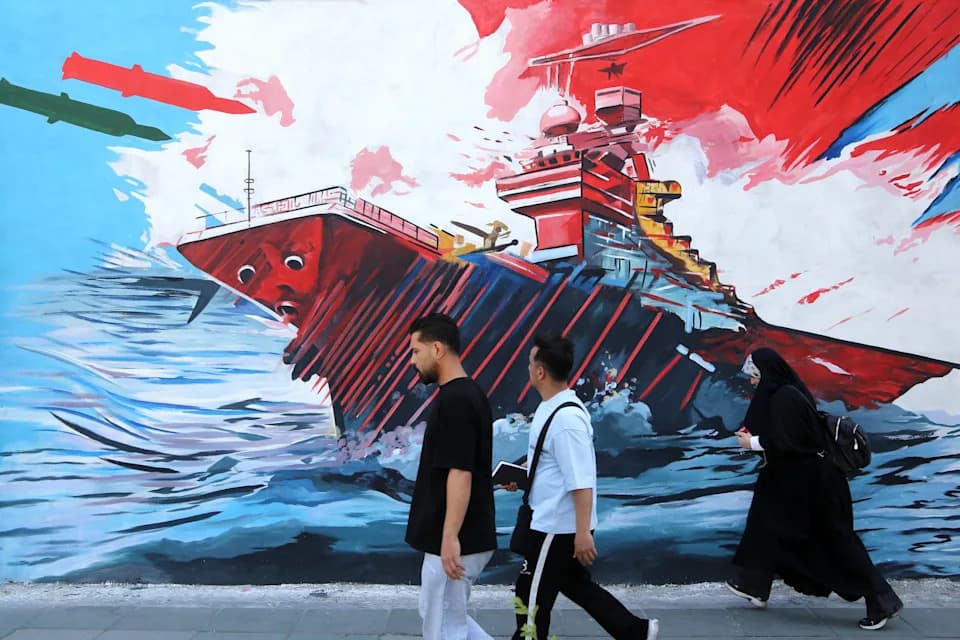
Tehran residents walk past a mural in the Iranian capital depicting a U.S. aircraft carrier being targeted by missiles, April 22, 2026. / Credit: Fatemeh Bahrami/Anadolu/Getty
Iran renewed attacks on commercial vessels in the Strait of Hormuz on Wednesday even after President Trump announced an indefinite extension of a temporary ceasefire. Tehran condemned the U.S. naval blockade as a violation of the truce, while Washington said it would continue the blockade and enforce it at sea. The standoff has intensified global economic and security concerns, with oil and jet-fuel prices rising and major supply-chain disruptions reported.
Ceasefire Extension And Diverging Interpretations
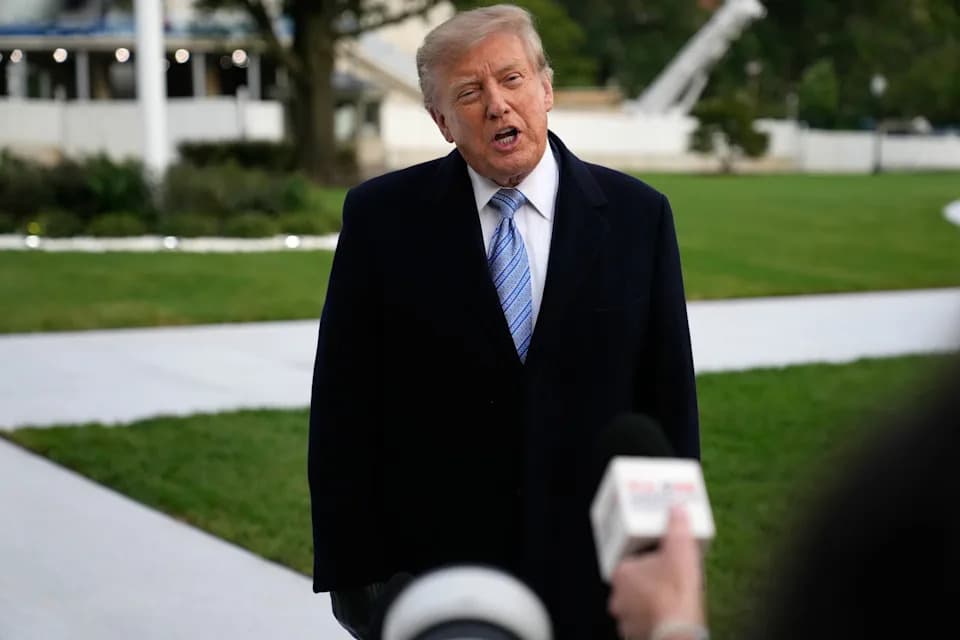
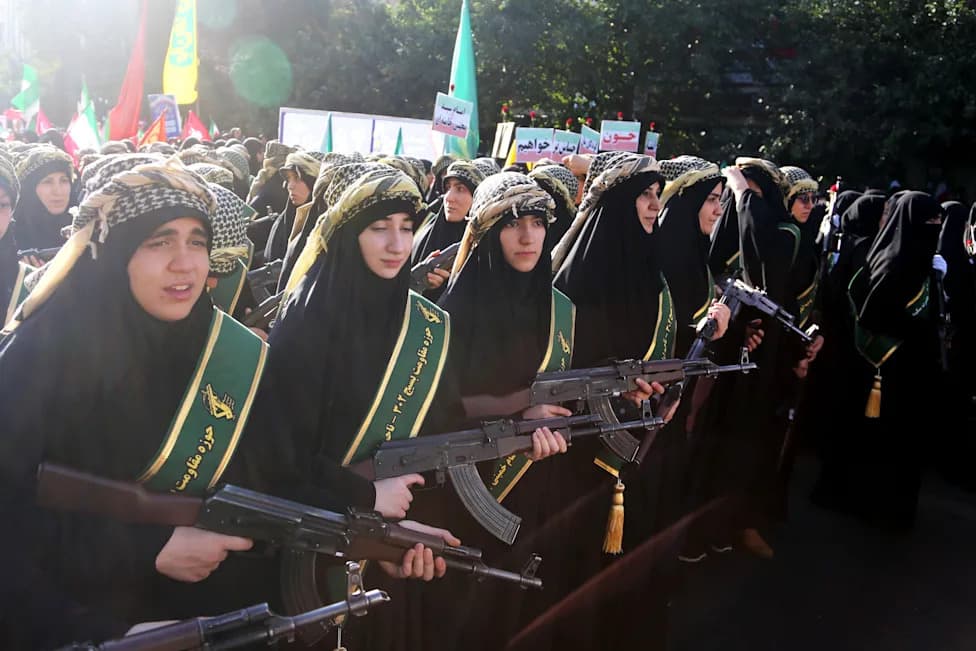
President Trump said he would extend the ceasefire indefinitely to allow Iran time to present a unified response to U.S. negotiating terms. The White House stressed there was no firm deadline for Iran's reply, but the administration also made clear the naval blockade of Iranian ports would continue as leverage in talks. Iranian officials and parliamentarians said they will not accept a lasting ceasefire while the blockade remains in place.
Incidents In The Strait Of Hormuz
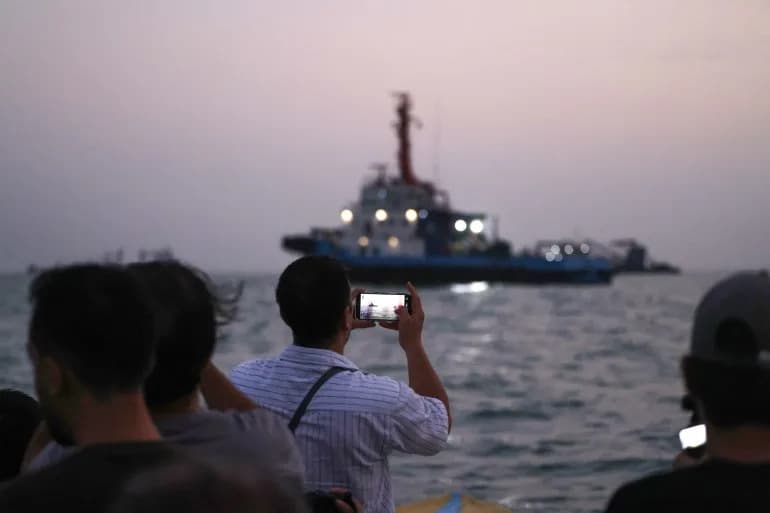
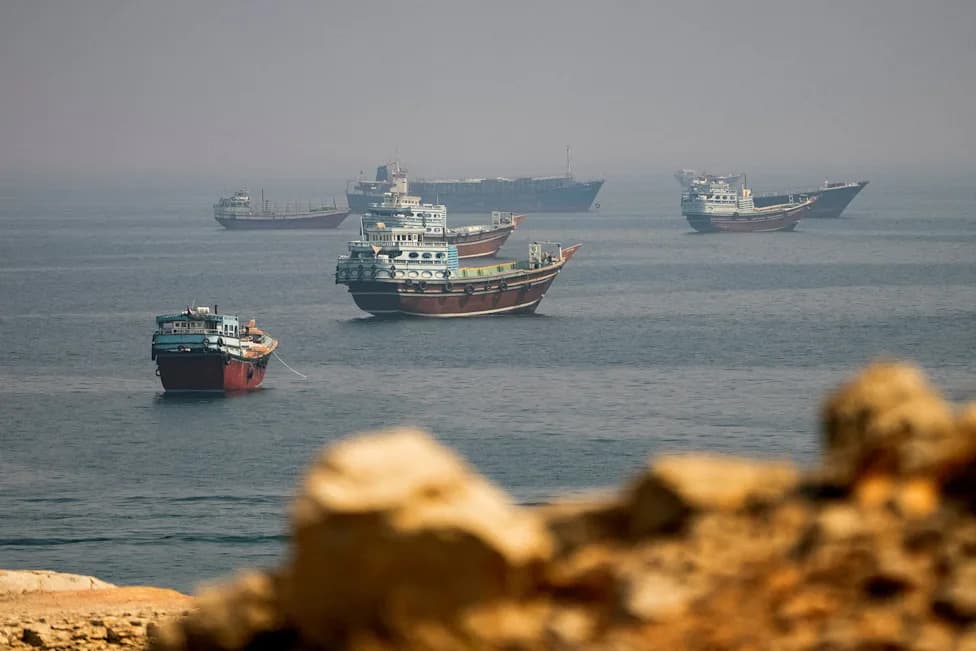
International agencies and the U.K. Maritime Trade Operations center reported multiple attacks on commercial vessels in the strait. The UKMTO said an IRGC gunboat fired on a container ship about 15 nautical miles northeast of Oman, striking the bridge but leaving the crew safe. A second vessel later reported being fired upon and stopped in the water; a third strike was reported by Reuters, AP and the BBC though not immediately confirmed by UKMTO. Iran's Islamic Revolutionary Guard Corps said it intercepted two ships accused of violating its blockade and escorted them to Iranian waters.
U.S. Blockade Enforcement And CENTCOM Updates
U.S. Central Command (CENTCOM) reported it had directed roughly 29–31 commercial vessels to turn back or return to port as part of the blockade. CENTCOM disputed media reports that ships had evaded the blockade, saying some vessels were detained or being escorted back to port after attempted violations.
Military Deployments And Casualties
U.S. deployments to the region remain substantial: more than 50,000 American service members are in the Middle East, with additional carrier and amphibious groups en route. The Pentagon reported 400 U.S. service members injured during Operation Epic Fury, with 13 service members killed early in the campaign.
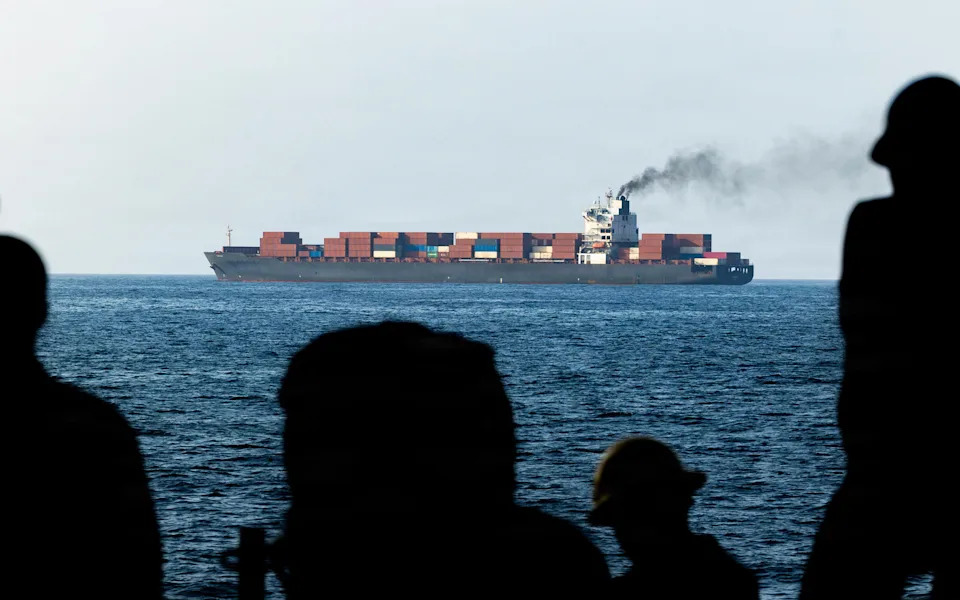
In a handout photo provided by U.S. Central Command, U.S. forces patrol the Arabian Sea near the M/V Touska, April 20, 2026, after firing on the Iranian-flagged cargo ship that the U.S. accused of attempting to violate its naval blockade of Iranian ports, near the Strait of Hormuz. / Credit: Handout/U.S. Navy via Getty
Political And Leadership Fallout
Navy Secretary John Phelan resigned effective immediately; Undersecretary of the Navy Hung Cao will serve as acting civilian leader. In Congress, the Senate rejected a Democratic-led measure aimed at limiting the president's authority to continue hostilities with Iran, the fifth such effort since the conflict began.
Humanitarian And Regional Impact
In Lebanon, rescuers recovered the body of journalist Amal Khalil after an Israeli airstrike in southern Lebanon. Separately, France confirmed the death of a second U.N. peacekeeper wounded in a suspected ambush in southern Lebanon — an attack French officials say likely involved Hezbollah.
Economic And Civilian Consequences
Energy markets reacted to the tensions: Brent crude approached $100 a barrel and West Texas Intermediate rose above $90, pushing jet fuel prices higher. Germany's Lufthansa announced cancellation of 20,000 short-haul flights through October to conserve fuel amid soaring costs. Supply-chain ripple effects appeared in unexpected sectors: Malaysia-based condom maker Karex warned of material shortages and potential price increases of 20–30% if disruptions persist.
Security Concerns Beyond Oil
Iran-aligned media highlighted the vulnerability of subsea communications cables running under the Strait of Hormuz, calling them a potential weak point for the region's digital economy. While no explicit threat has been issued against that infrastructure, analysts say the cables' concentration in the narrow strait raises risks to global data and commerce if hostilities escalate.
Official Statements And Next Steps
Iranian leaders reiterated that dialogue is possible only if the blockade and threats end. U.S. officials emphasized continuing maximum economic and maritime pressure, including sanctions threats against entities that help Iran export oil. Mediators including Pakistan have urged renewed direct talks; U.S. officials have signaled readiness for further negotiations while maintaining military pressure.
Bottom line: The ceasefire extension has so far prevented a large-scale resumption of kinetic operations between the U.S. and Iran, but maritime attacks, the ongoing blockade and high-stakes military deployments mean the situation remains volatile, with tangible economic and human consequences worldwide.
Help us improve.