Researchers recreated rogue waves in a circular wave basin using computer-controlled paddles to synchronize inward-moving waves so they converge at a single point, producing an upward eruption of water. The experiment reproduces the wave-focusing physics thought to generate open-ocean freak waves, some reported near 65 feet. First confirmed in the field by a 1995 North Sea laser-sensor recording, rogue waves are now studied to improve maritime safety. Scale-model tests in the basin help engineers design more resilient rigs, turbines and ships.
Scientists Recreate Giant 'Rogue' Wave in Circular Lab Basin — Water Erupts Upward (Video)
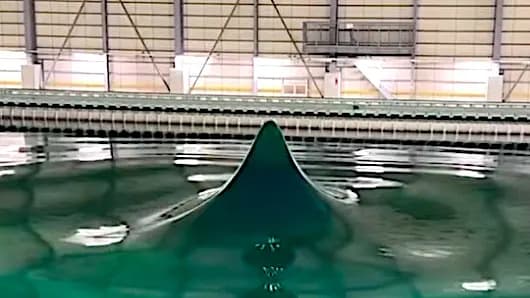
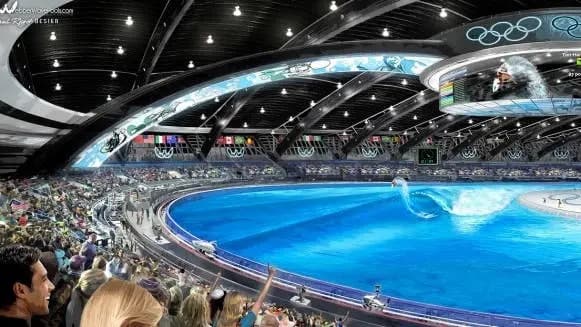
Scientists have recreated a giant "rogue" wave inside a circular wave basin, producing a sudden upward eruption of water that mirrors the physics behind rare open-ocean freak waves. The laboratory footage shows how precisely timed inward-moving waves concentrate energy at a central point, forcing the water to shoot skyward.
How the Experiment Worked
The tests took place in a specialized circular engineering facility equipped with computer-controlled paddles around the rim. Each paddle launches waves with a carefully controlled phase so that the waves travel inward and collide at the same central point — a process known as wave focusing. When inward-moving swells converge with nowhere to disperse horizontally, the accumulated energy is expelled upward in a violent, localized eruption.
Why This Is Important
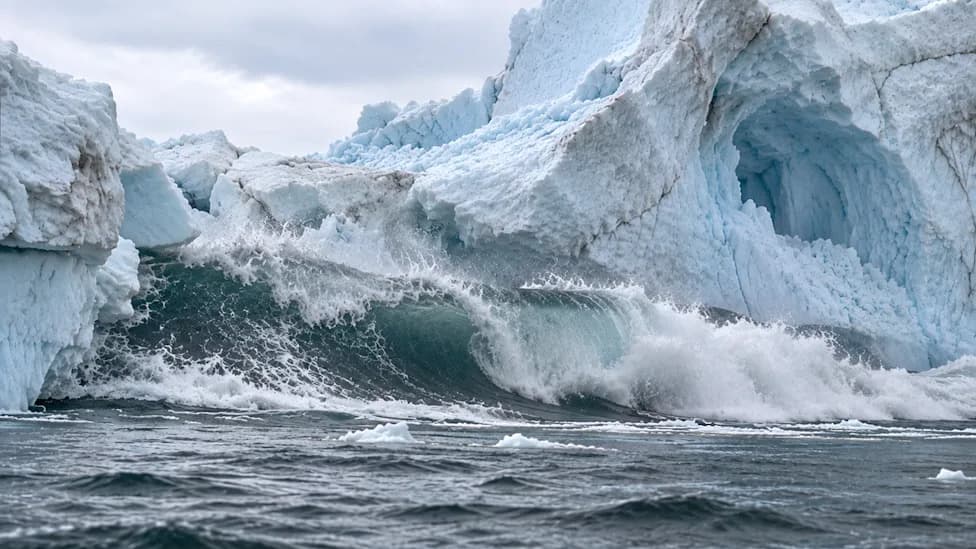
The lab model reproduces the focusing mechanics believed to produce rogue waves at sea, some of which have been reported at heights approaching 65 feet. Rogue waves were long treated as maritime folklore until 1995, when a laser sensor on a North Sea oil rig recorded a massive wave, providing the first definitive field evidence that these extreme events occur.
Practical Applications
Beyond the visual spectacle, the circular basin is a controlled testbed for maritime safety and engineering. Researchers place scaled models of oil platforms, wind turbines and cargo ships into the basin to observe how structures respond to concentrated wave impacts. Data from these experiments inform stronger designs and improved safety standards by revealing how wave energy concentrates and transfers force during extreme events.
“The circular wave basin allows researchers to precisely time waves so they collide at a single point, mimicking the sudden walls of water that can overwhelm even the largest ships.”
Whether valued as a dramatic demonstration or as critical research, the footage offers a rare, close-up look at how powerful and precise wave interactions can be, both in the lab and in the open ocean.
Originally published by Surfer on Apr 23, 2026.
Help us improve.