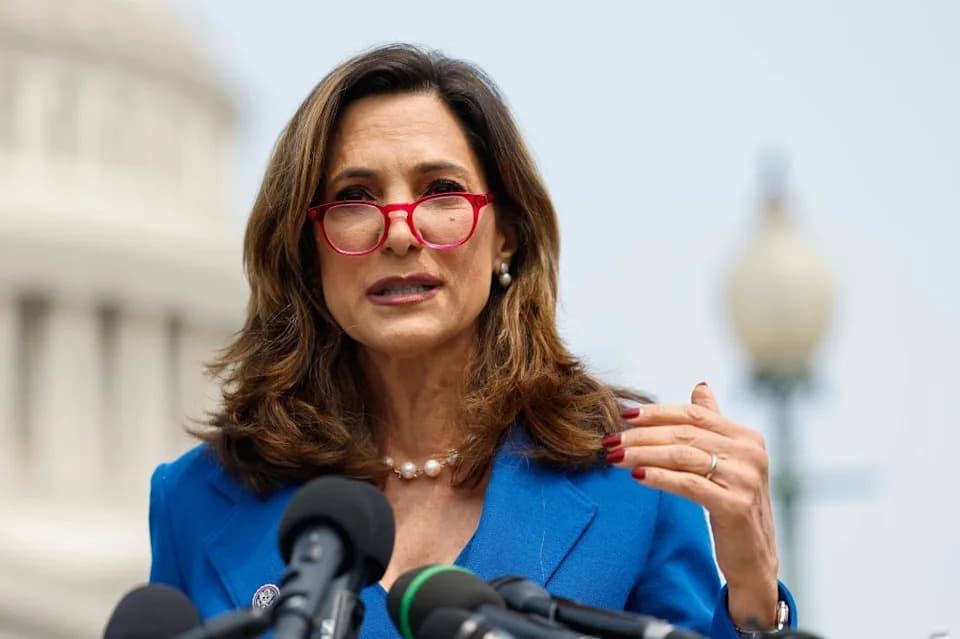
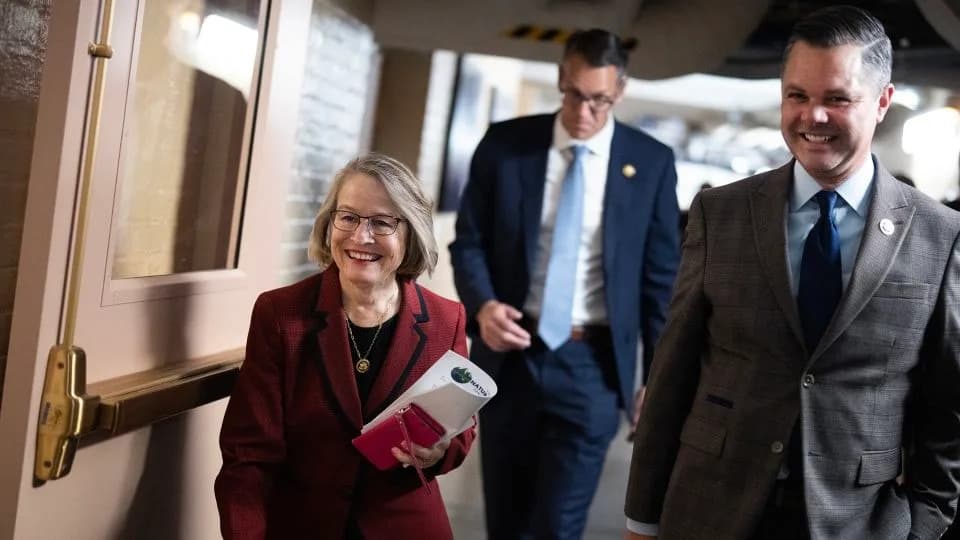
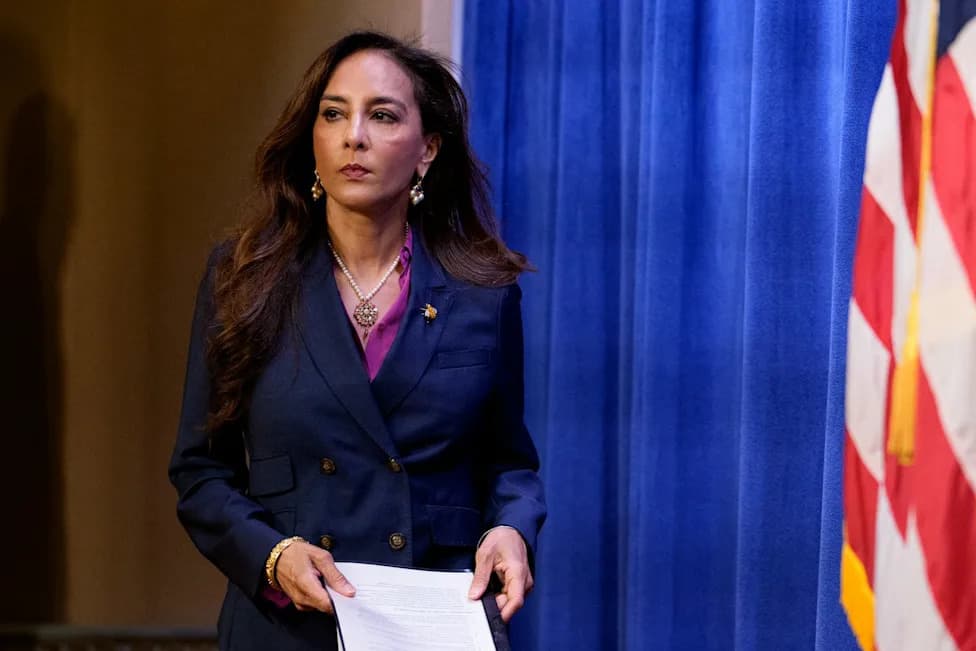
The bipartisan Dignity Act has split House Republicans by combining tougher border measures with legal pathways for some long-term residents, including Dreamers and DACA recipients. Supporters say it balances security and reform; hardliners condemn it as "amnesty" and are backing primary challenges. The bill currently lacks a clear path to a floor vote, but political and electoral stakes are already rising as the midterms approach.
‘Be Realistic’: House Republicans Split Over Bipartisan Dignity Act Ahead Of Midterms
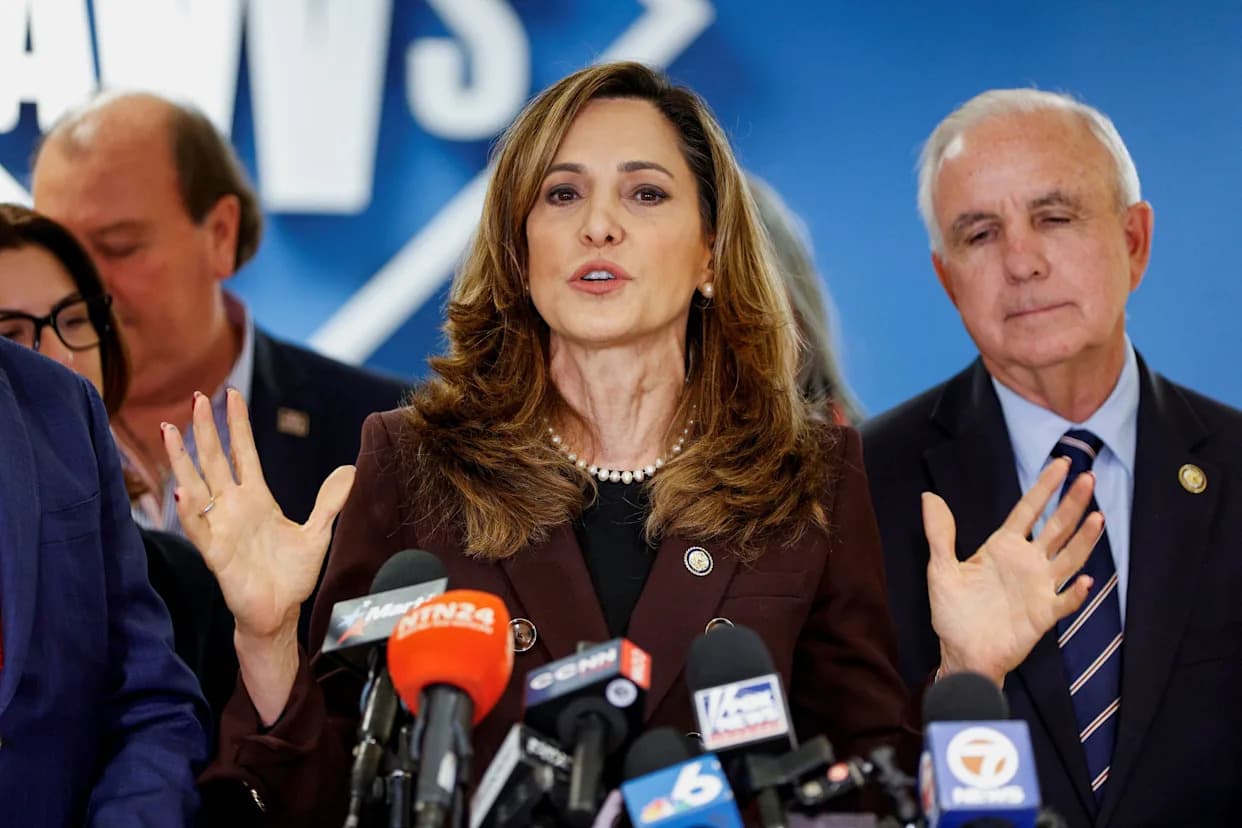
House Republicans are publicly divided over the bipartisan Dignity Act, a contested immigration package that attempts to pair tougher border measures with legal pathways for some long-term residents. The dispute highlights broader tensions inside the GOP as the party heads into the midterm elections.
The bill’s Republican backers are holding firm despite intense criticism from the party’s right flank. Supporters say the legislation balances enforcement with pragmatic reforms; hardliners call it "amnesty" and have launched political attacks and a new PAC to support primary challengers.
What The Dignity Act Would Do
The Dignity Act aims to blend border-security provisions with immigration reform. Key elements include:
- Enhanced border-security measures and enforcement provisions;
- A form of legal residency often described by critics as "dignity status" for immigrants who have lived in the U.S. more than five years (the bill’s backers reject the "amnesty" label and note it does not include an automatic path to citizenship for Dreamers);
- Reforms to legal immigration processes and provisions addressing DACA recipients and Dreamers to provide a pathway to lawful status.
Why Republicans Are Divided
Hardline conservatives, including members of the House Freedom Caucus, argue the bill betrays core conservative principles and undermines strict immigration enforcement. Critics have objected both to the substance of the bill and to symbolic elements — for example, some opponents have disparaged the bill’s name.
"It’s a violation of core conservative principles. It’s a betrayal of everything that we ran on in the last election," said Rep. Brandon Gill (R-Texas).
"I think we need to be realistic," said Rep. Marlin Stutzman (R-Ind.), a backer who argued critics were attacking the bill without reading it.
Politics, Process And The Road Ahead
The Dignity Act lacks a clear path to a House floor vote. House leaders are prioritizing enforcement-focused measures and party-line proposals, including an extension of Department of Homeland Security funding. Some supporters hope to build momentum by securing endorsements from the bipartisan Problem Solvers Caucus and, ultimately, support from the president.
The bill is already shaping Republican primaries. In California’s newly redrawn 40th District, Rep. Ken Calvert has attacked Rep. Young Kim for backing the legislation, framing her position as support for "amnesty." Kim has defended her vote, saying the bill is a practical way to secure the border and fix the immigration system.
Democrats are divided as well, though many see the Dignity Act as the most viable compromise under a Trump presidency. Rep. Veronica Escobar (D-Texas), a top Democratic cosponsor, and other Democrats argue the bill is a realistic step toward reform rather than an endpoint.
With roughly an estimated 14 million immigrants living in the U.S. without legal authorization, and with midterm control at stake, the political calculus around immigration remains volatile: Republicans risk primary fights and electoral backlash, while Democrats may push for more expansive reforms if they regain the House.
Bottom Line: The Dignity Act underscores deep divides within the Republican Party over immigration policy — a fault line that could shape primaries and the broader midterm landscape.
Help us improve.