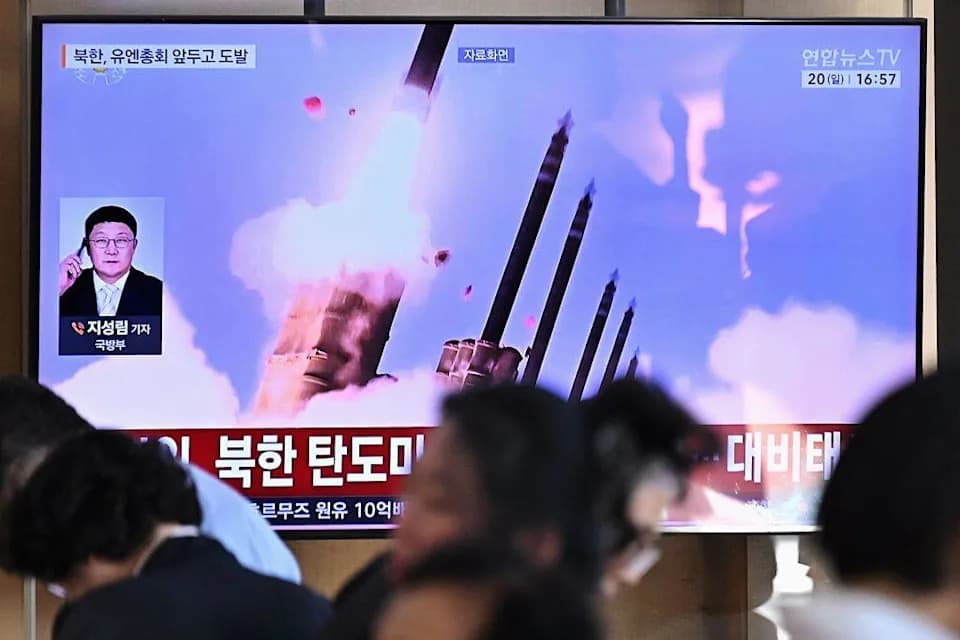
The U.S. military says it has not removed the THAAD missile-defense system from South Korea, with Major General Xavier Brunson telling a Senate hearing that "THAAD still remains on the peninsula currently." He confirmed munitions are being sent to the Middle East but offered few specifics. Seoul expressed concern about the reports but noted limited options, while the UN nuclear watchdog warned of a sharp rise in North Korea's atomic capability amid recent missile tests.
US Confirms THAAD Remains in South Korea Amid Reports Of Redeployment To Middle East
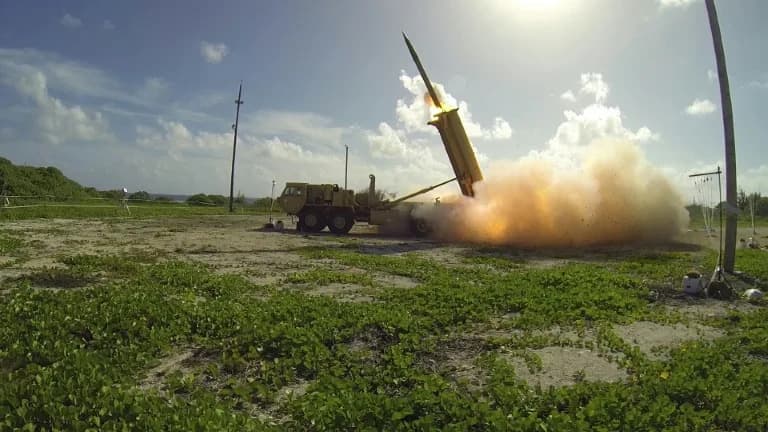
The Terminal High Altitude Area Defense system THAAD is designed to intercept short, medium and intermediate-range ballistic missiles using hit-to-kill technology (Ben Listerman)(Ben Listerman/DoD/AFP)
The United States has not removed its Terminal High Altitude Area Defense (THAAD) system from South Korea, a senior U.S. military official said on Tuesday, pushing back against media reports that elements of the system were being shifted to the Middle East.
Latest Statements
At a U.S. Senate committee hearing in Washington, the commander of U.S. forces in South Korea, Major General Xavier Brunson, said Washington had "not moved any THAAD systems" out of the country. "THAAD still remains on the peninsula currently," he added.
Brunson also confirmed that the U.S. is sending munitions to the Middle East and that those stocks "are sitting right now waiting to move," but he did not provide further operational details.
Regional Reactions And Context
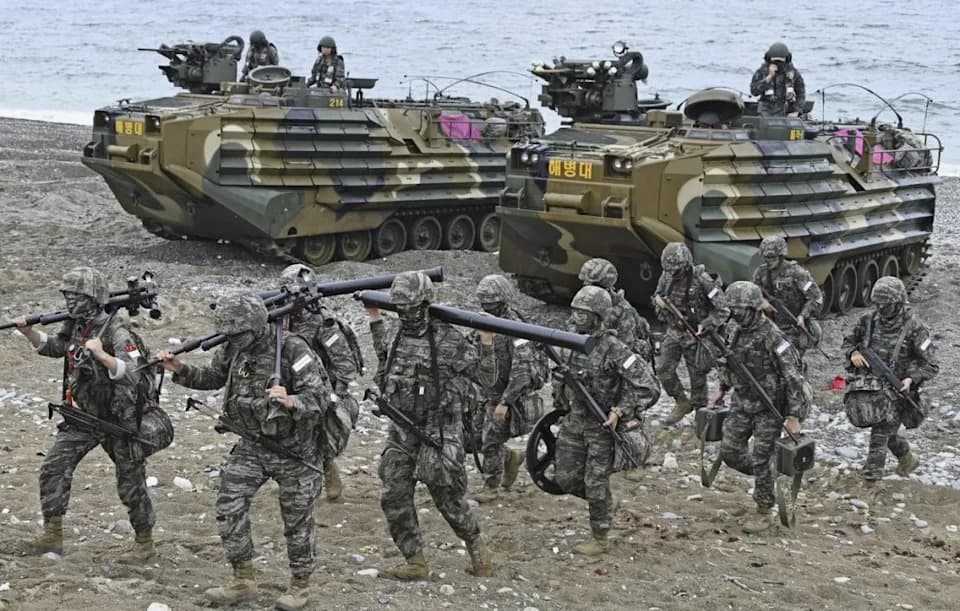
South Korean President Lee Jae Myung said Seoul was unhappy about reports of a redeployment but acknowledged the government had limited leverage over U.S. force decisions. Seoul's defense ministry said South Korea could still deter threats from the North even if some U.S. assets were temporarily shifted.
The United States currently stations about 28,500 troops in South Korea. The THAAD battery was deployed on the peninsula in 2017 and has since been a focal point of regional tensions, provoking strong protests from neighboring China, which views the system as a potential threat to its security.
Security Concerns
THAAD is designed to intercept short-, medium- and intermediate-range ballistic missiles using hit-to-kill technology. The confirmation that THAAD remains in South Korea comes as the head of the International Atomic Energy Agency warned of a "very serious increase" in North Korea's capacity to produce atomic weapons. This week, North Korea reported firing multiple short-range ballistic missiles as part of tests involving cluster munitions.
While the U.S. emphasizes that the THAAD battery has not been removed, the movement of munitions to other theatres underscores the broader operational demands on U.S. forces and the continuing volatility of regional security dynamics.
Help us improve.