The U.S. Navy is conducting a monthlong review of the Ford‑class aircraft carrier design and costs, with findings expected next month. Secretary John Phelan said the assessment will verify performance claims — including aircraft launch and recovery rates — and examine lifecycle costs. The USS Gerald R. Ford has logged a record 300+ day deployment, while three more Ford‑class carriers are under construction and two additional ships remain planned but uncontracted. Separately, a proposed 'Trump‑class' warship carries an early estimate above $17 billion.
Navy Review Puts Future of Ford‑Class Supercarriers in Doubt — Findings Due Next Month
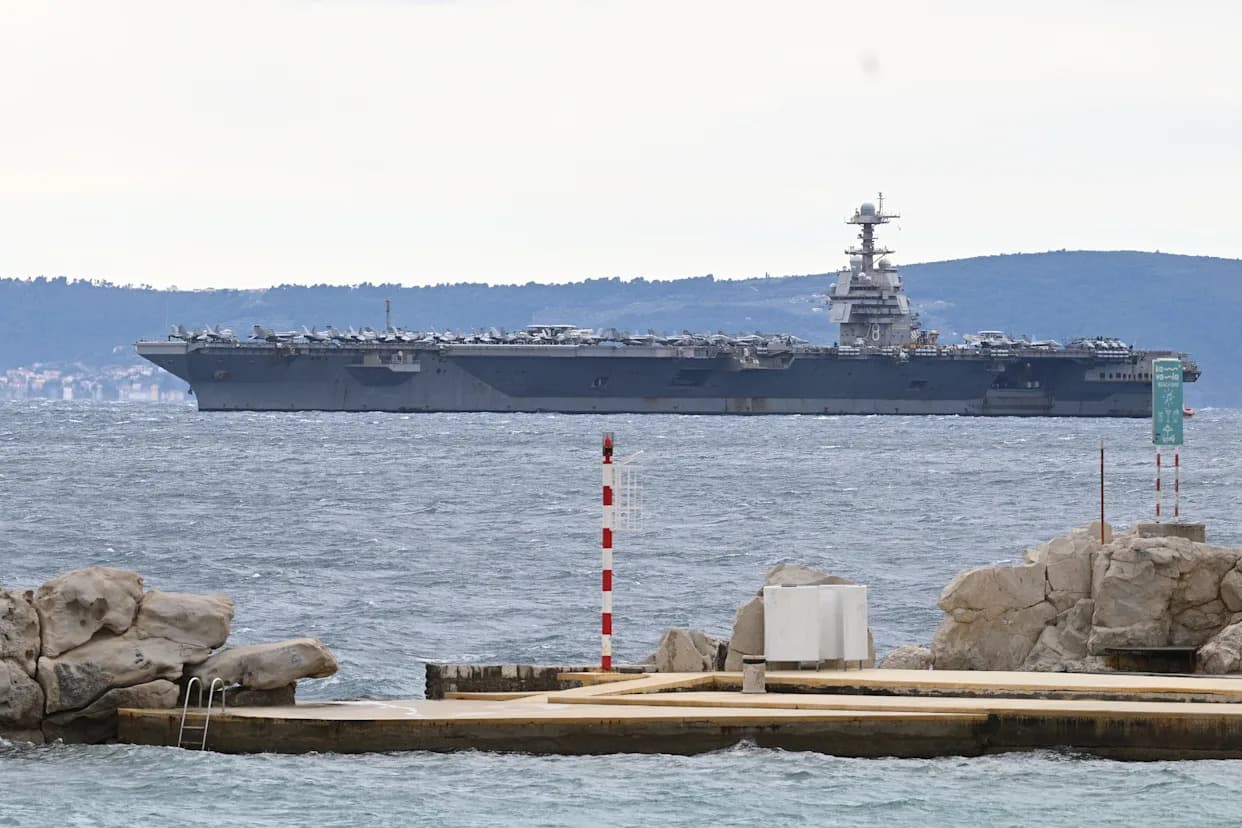
USS Gerald R. Ford arrives to the port of Split, Croatia, Saturday, March 28, 2026. (AP Photo/Tom Dubravec)(ASSOCIATED PRESS)
The U.S. Navy has launched a formal review of the Ford‑class aircraft carrier design and program costs, and Secretary of the Navy John Phelan has not ruled out canceling later ships built to the class. The assessment, Phelan said, is focused on whether the ship's systems and requirements still make sense given costs and operational performance.
Scope and Purpose of the Review
Phelan told reporters the review, due to conclude next month, is a "prudent and practical" step to examine the designs, systems and program costs 'to make sure that they make sense and they have all the systems and requirements that we want going forward.' The review will evaluate key capabilities such as aircraft launch and recovery rates as well as overall lifecycle costs.
Background: Criticism and Operational Record
The review follows years of public criticism from former President Donald Trump, who questioned some Ford‑class technologies — most notably the electromagnetic catapult system — and said in Oval Office remarks last year that the system 'didn't work.' The Navy, however, has emphasized the Ford's operational advantages.
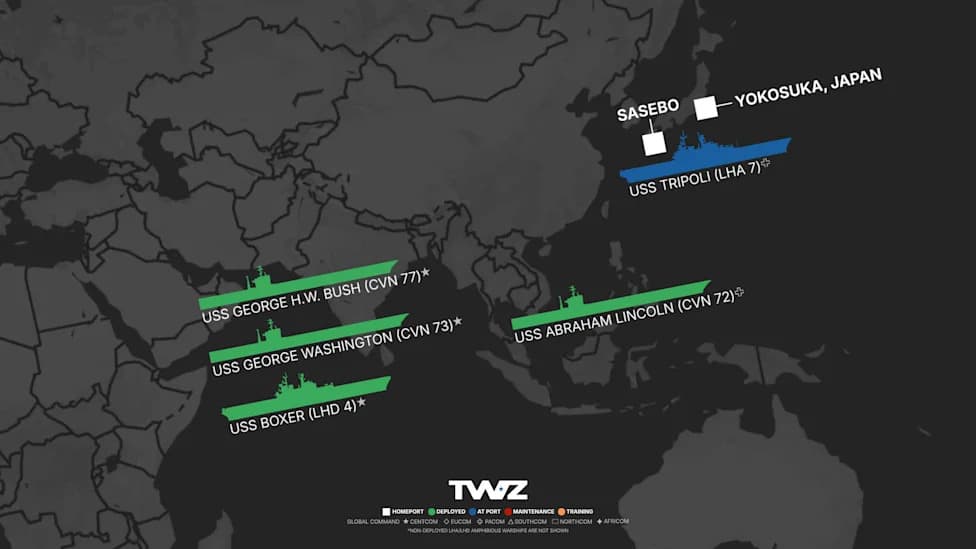
The USS Gerald R. Ford has been on a record‑setting deployment of more than 300 days since June 2025. During that period the carrier participated in high‑profile operations described in official accounts as linked to actions against Venezuela's leadership and operations tied to the conflict with Iran.
Navy Position and Budget Signals
Newly released Navy budget documents did not explicitly list Ford‑class ships by name, instead identifying future buys generically as 'aircraft carrier.' By contrast, other programs such as Columbia‑class submarines and Arleigh Burke‑class destroyers are named in the budget materials.
In a statement, the Navy defended the Ford design as 'battle‑proven,' highlighting faster sortie generation compared with the older Nimitz class and increased combat power for sustained, high‑tempo global operations. Phelan has said he wants to independently verify those performance claims, noting his 'trust and verify' approach and directing the review to closely examine launch and recovery data.
Technology Under Scrutiny: Electromagnetic Catapults
Electromagnetic catapult systems are central to the Ford's claimed improvements over steam‑driven systems: they can launch aircraft more gently, reduce airframe stress, lower maintenance needs and cut the carrier's reliance on fresh water. The review will study whether those advantages hold up in practice and whether their costs are justified.
Shipbuilding Status and Planned Hulls
The Navy currently has three other Ford‑class carriers under construction: USS John F. Kennedy, USS Enterprise and USS Dorie Miller. Phelan said the review will also examine the next two planned but not yet contracted carriers, identified by the Biden administration as USS William Jefferson Clinton and USS George W. Bush.
Alternative Design: The So‑Called 'Trump‑Class' Ship
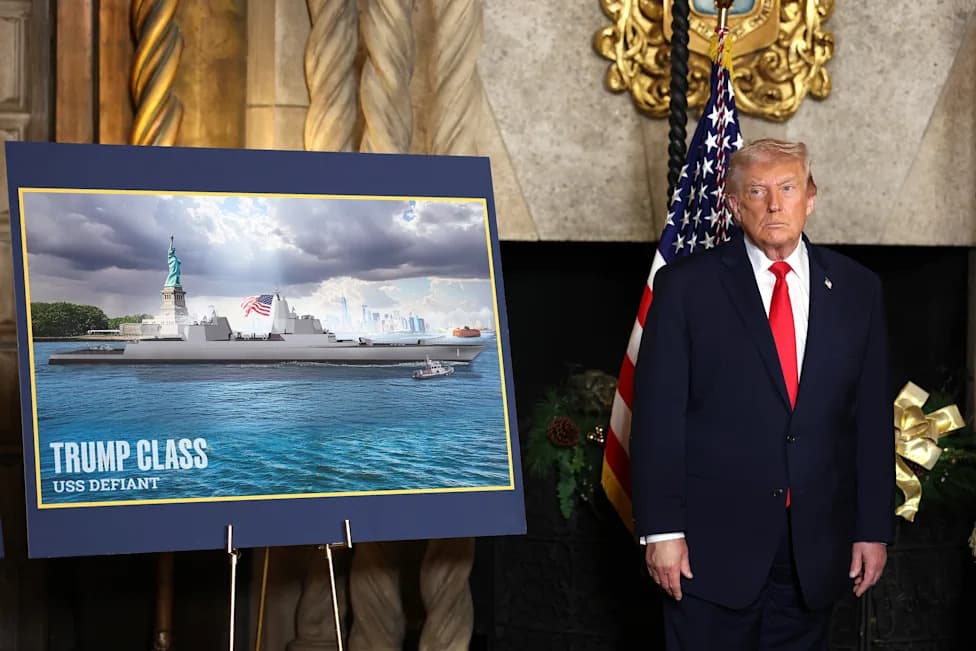
Separately, former President Trump has promoted a new warship concept he calls the Trump‑class battleship, with an early cost estimate topping $17 billion — roughly $4 billion more than current Ford‑class estimates. The Navy does not plan to fund the first ship in that concept, the USS Defiant, until the 2028 budget year.
Phelan described the Trump‑class figure as an 'early initial estimate' he expects to fall as designs mature and additional hulls are considered. He also did not rule out a nuclear propulsion option for that concept, acknowledging that nuclear power would significantly raise costs.
What Comes Next
The review's conclusions, expected next month, could influence whether the Navy proceeds with additional Ford‑class hulls as currently designed, modifies future builds, or explores alternative concepts. In the meantime, the Navy will continue operating the current Ford‑class ships while the assessment is completed.
Help us improve.