Lockheed Martin won a contract to integrate the Army's Patriot PAC-3 MSE interceptor into the Navy's Aegis combat system, marking the first planned sea deployment. The move, reported earlier by Reuters, is driven by concerns that China could deploy hypersonic weapons that threaten ships in the Pacific. PAC-3's greater agility and "hit-to-kill" design would add a critical defensive layer to destroyers that currently rely on Standard-family missiles and the ESSM. Production of the Patriot is expected to rise from roughly 600 to over 2,000 missiles annually under a Pentagon deal.
U.S. Navy to Field Patriot PAC-3 MSE on Aegis Ships to Counter China’s Hypersonic Threat
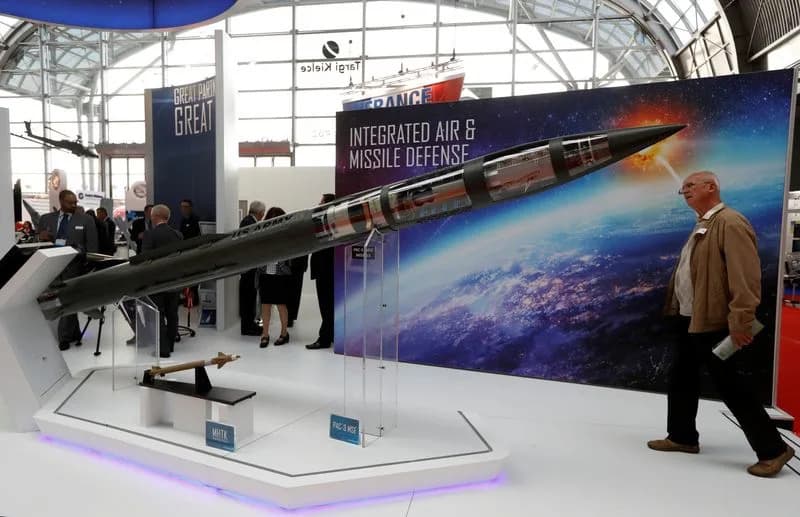
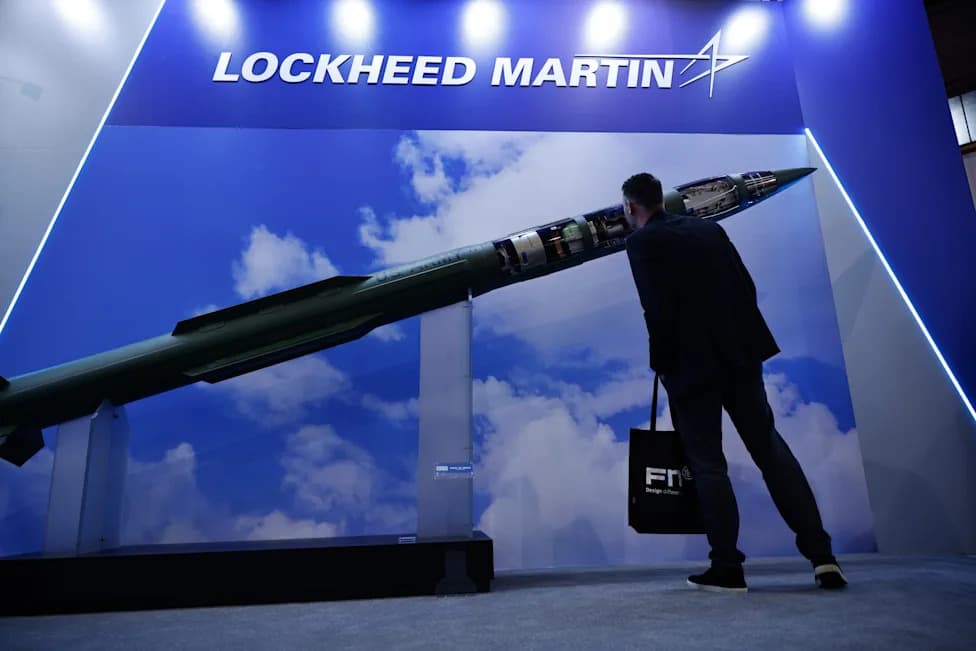
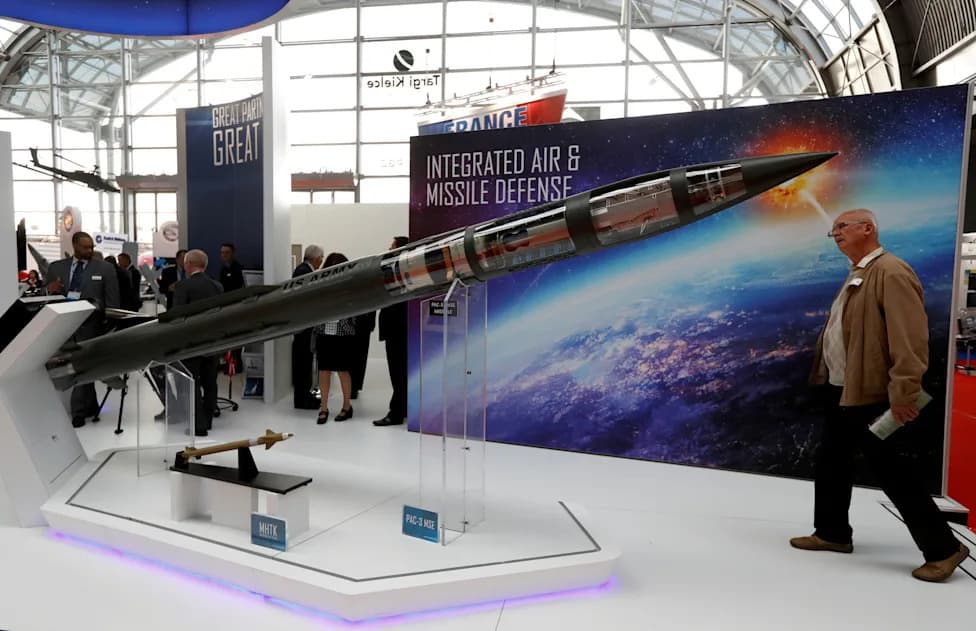
A man looks at a Patriot Advanced Capability (PAC-3) Missile Segment Enhancement (MSE) model by Lockheed Martin at an international military fair in Kielce, Poland September 7, 2017. REUTERS/Kacper Pempel
WASHINGTON, April 21 (Reuters) — Lockheed Martin has won a contract to integrate the Army's Patriot PAC-3 MSE interceptor into the U.S. Navy's Aegis combat system, a step the company says would mark the first time the Patriot is deployed at sea.
Why the Move Matters
Reuters first reported in October 2024 that the Navy was advancing plans to equip surface ships with Patriot Advanced Capability-3 Missile Segment Enhancement (PAC-3 MSE) interceptors amid concern that China could deploy hypersonic weapons capable of threatening ships in the Pacific. PAC-3 MSE interceptors are generally more maneuverable than many current naval interceptors and use a "hit-to-kill" approach — destroying targets by direct impact rather than by proximity detonation — which can be especially effective against fast, maneuvering ballistic or hypersonic threats.
Operational Impact
Installing PAC-3 MSE on Aegis-equipped warships would add an extra defensive layer to the Navy's destroyer fleet, which today relies primarily on missiles from the Standard family (SM-2, SM-3 and SM-6) and the RIM-162 Evolved SeaSparrow Missile (ESSM). The cross-service integration reflects a growing emphasis on layered, multi-domain missile defense to protect forward naval forces.
Production and Procurement
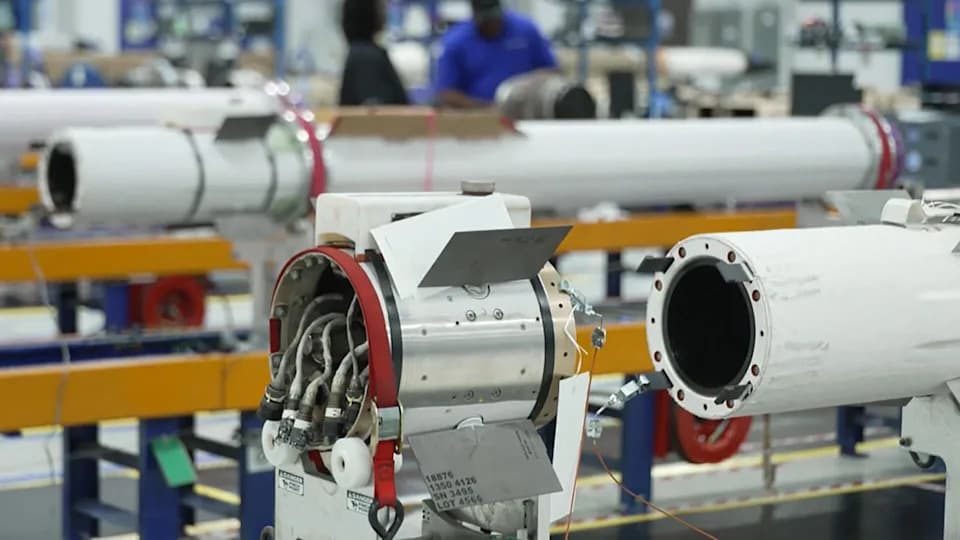
Demand for Patriot interceptors has surged. Under a January agreement between Lockheed Martin and the Department of Defense, production of PAC-3 interceptors is slated to roughly triple over the next seven years — rising from about 600 missiles per year to more than 2,000. Lockheed had pursued Navy integration for several years; the new contract represents the first concrete step toward operating the Army interceptor on Navy surface ships.
Details on the specific timeline for shipboard fielding and which ship classes will receive the system were not disclosed in the announcement.
(Reporting by Mike Stone in Washington; Editing by Andrea Ricci)
Help us improve.