Vozrozhdeniya Island (Aralsk-7) was a secret Soviet biological weapons testing site built in 1954 beside the closed town of Kantubek. The facility experimented with plague, smallpox, anthrax and other pathogens, and experienced several deadly incidents. As the Aral Sea receded, the island became a peninsula in 2001; in 2002 a U.S.-Uzbek team dismantled structures and decontaminated 11 anthrax burial pits. The site remains a stark warning about ecological collapse and the dangers of biological weapons.
Anthrax Island Revisited: Vozrozhdeniya — The Secret Soviet Bioweapons Site and Its Haunting Legacy
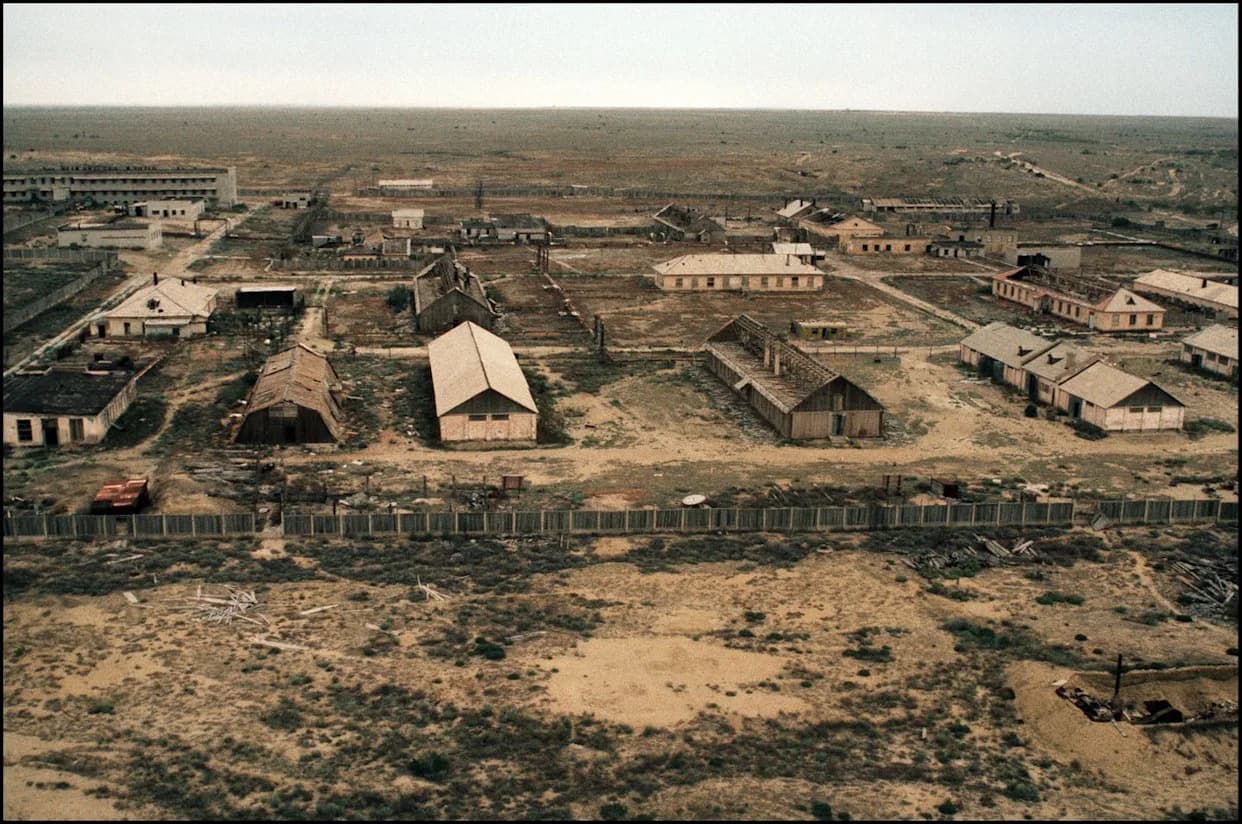
The Deadly Mystery of the Soviet ‘Anthrax Island’CAGATAY - Getty Images
Vozrozhdeniya Island, once home to the closed town of Kantubek (also known as Aralsk-7), was a top-secret Soviet biological weapons testing ground. Built in 1954 in the Aral Sea on the Uzbekistan–Kazakhstan border, the site combined a modest civilian settlement of roughly 1,500 residents with research laboratories, animal enclosures, barracks and outdoor testing ranges.
The island’s isolation made it attractive to Soviet planners: separate from population centers and once surrounded by open water, it offered both secrecy and a perceived safety buffer. Over decades, however, large-scale Soviet irrigation projects shrank the Aral Sea, turning the surrounding seafloor into desiccated, toxic plains and exposing previously remote facilities.
Operations and Risks
Construction at Aralsk-7 began in 1954 and the facility came to the attention of U.S. intelligence after CIA aerial photography in 1962. Vozrozhdeniya hosted experiments and tests involving plague, smallpox and anthrax, as well as tularemia, brucellosis and typhus, according to contemporary reporting. The site was one node in a far larger Soviet effort: the BBC and other sources estimate the USSR operated dozens of facilities and employed tens of thousands of personnel in biological weapons development and production.
Notable Incidents
- 1971: A scientist aboard a research vessel that approached the island contracted smallpox and later infected others in her hometown.
- 1972: Two fishermen working near the island died from plague.
- 1979 (Related Example): An anthrax release at Compound 19 near Sverdlovsk (now Ekaterinburg) killed more than 100 people, highlighting the systemic risks of Soviet-era programs.
- 1988: Roughly 50,000 saiga antelope died near the island within hours, an ecological catastrophe that underscored the broader environmental vulnerability of the region.
Decline, Exposure, and Cleanup
As the Soviet anthrax program wound down, authorities reportedly buried up to 200 tons of anthrax slurry in pits on Vozrozhdeniya. After the Soviet Union collapsed, Kantubek’s residents abandoned the town and the sea continued to recede. In 2001 the shrinking Aral Sea created a land bridge that transformed the island into a peninsula, raising fears that unauthorized actors could reach contaminated sites.
In 2002 a joint U.S.–Uzbek team moved to secure the area: they dismantled about 20 buildings, cleaned laboratory spaces and decontaminated 11 burial pits containing anthrax-contaminated material. The operation aimed to eliminate the most immediate biohazard risks and reduce the potential for accidental or deliberate re-exposure.
Legacy and Lessons
Today Vozrozhdeniya stands as both an environmental casualty of Soviet water policy and a chilling reminder of the dangers of state-run biological weapons programs. The site highlights three intersecting risks: ecological collapse, the long-term persistence of dangerous pathogens in the environment, and the global security challenge posed when contaminated sites become exposed or accessible.
Although major decontamination steps were taken, the exposed, desiccated landscape remains a ghostly testament to a dangerous chapter in Cold War history. Continued monitoring, transparent historical accounting, and strict biosecurity measures remain important to prevent similar legacies elsewhere.
Help us improve.