Researchers recorded and manually classified about 55,000 syllables from 20 greater sac-winged bat pups in Costa Rica and Panama, finding that juveniles produce repetitive, practice‑like vocal sequences similar to human infant babbling. The behavior appears to function as vocal practice and self-soothing and persists when pups are alone and well fed. Though bat babbling differs from human babbling in having a shorter, more abrupt developmental phase and a narrower syllable set, the findings open new avenues for studying vocal learning and for machine learning analyses.
Baby Bats Babble Like Human Infants — Study Records 55,000 Pup Syllables
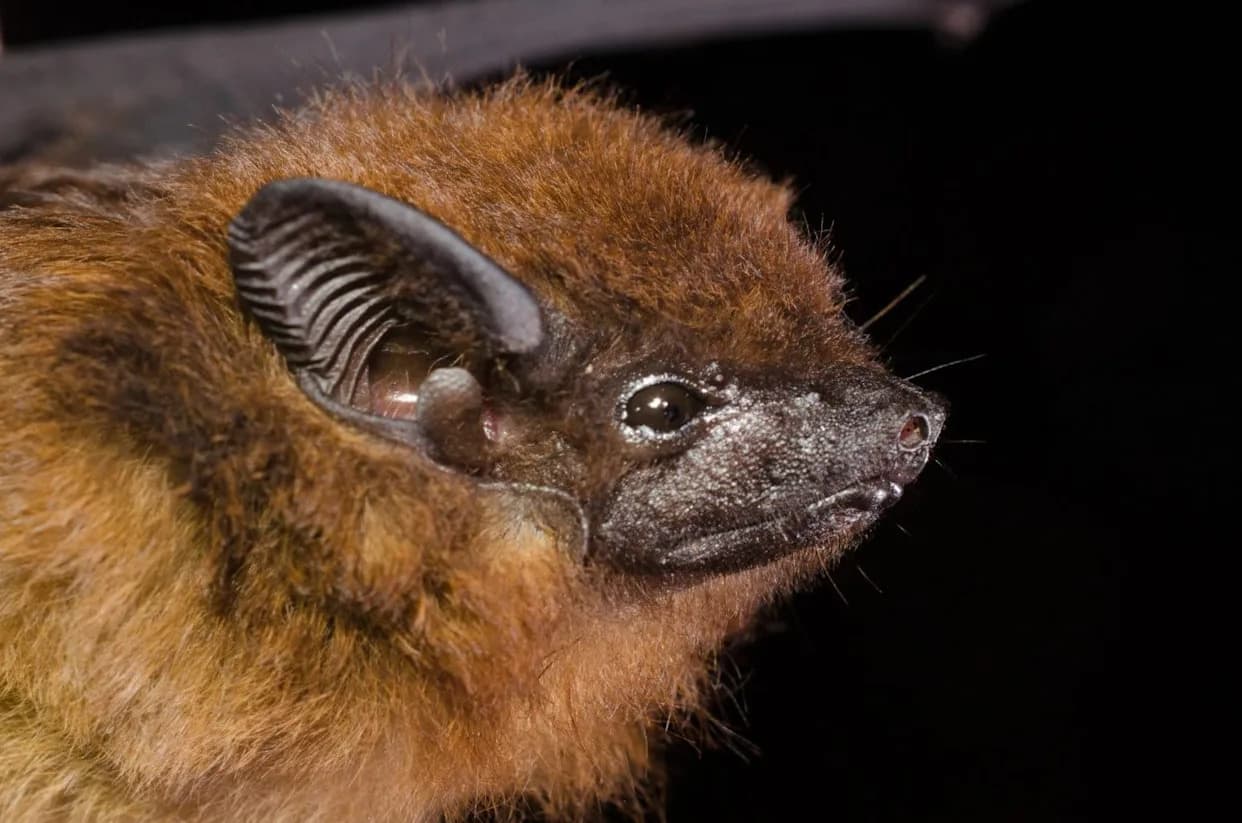
The chestnut sac-winged bat, or Wagner's sac-winged bat (Cormura brevirostris) is a species of sac-winged bat native to South and Central America. It is the only species within its genus.© Mendesbio/Shutterstock.com
New research shows that pups of the greater sac-winged bat (Saccopteryx bilineata) engage in prolonged vocal practice that closely resembles human infant babbling. Scientists working in Costa Rica and Panama recorded and hand‑classified roughly 55,000 individual syllables from 20 pups across eight colonies, revealing that juveniles repeat proto-syllables for weeks as they develop the vocal skills needed for adult social calls.
What the Researchers Found
The team, led by Ahana Fernandez, documented repetitive, practice‑like vocal sequences beginning early in development. These vocalizations serve as both self-soothing and skill practice: pups continued to babble even when alone and well nourished, and the sounds did not appear to alarm or specifically solicit attention from mothers. The study—published in Science as "Babbling in a vocal learning bat resembles human infant babbling"—concludes that bat pups show many of the major features of human infant babbling despite important differences in duration and complexity.
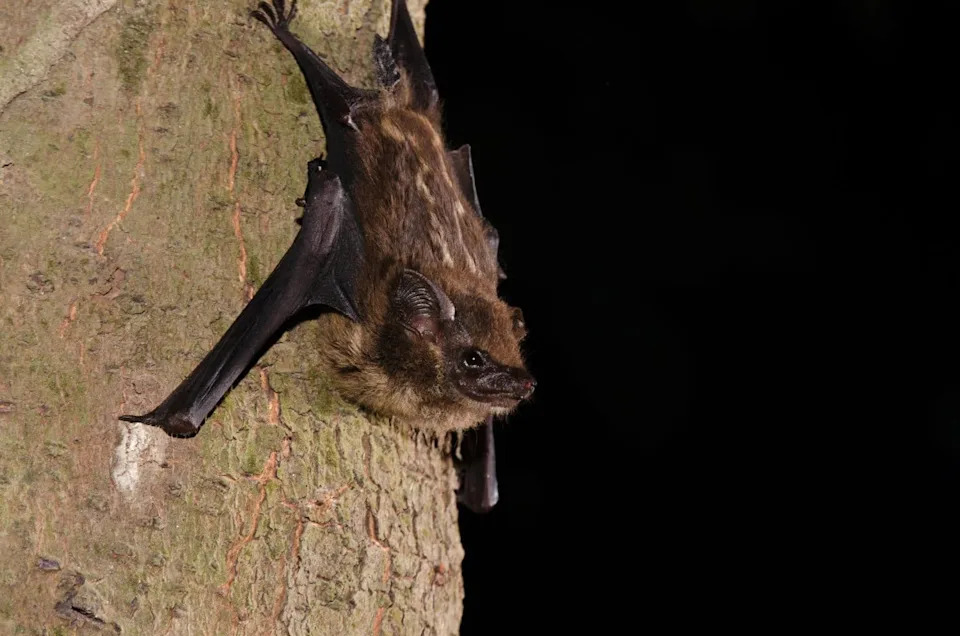
Researchers discovered that greater sac-winged bat pups babble like human infants.©Mendesbio/Shutterstock.com
Species Background
Greater sac-winged bats are native to Central and South America and are known for the male's distinctive wing sacs used in courtship and territorial marking. They roost on the outer surfaces of large trees and have an extensive vocal repertoire that includes territorial songs, mating whistles, and other social calls. Their complex social lives and diverse vocal signals may create selective pressure for juveniles to begin vocal learning early.
How the Study Was Done
Because many of the pup vocalizations occupy frequencies outside easy human hearing, researchers analyzed recordings with visual acoustic displays and manually labeled each syllable. The resulting dataset—about 55,000 labeled syllables—is the largest of its kind for bat pup vocalizations and creates new opportunities for computational analysis and machine learning.
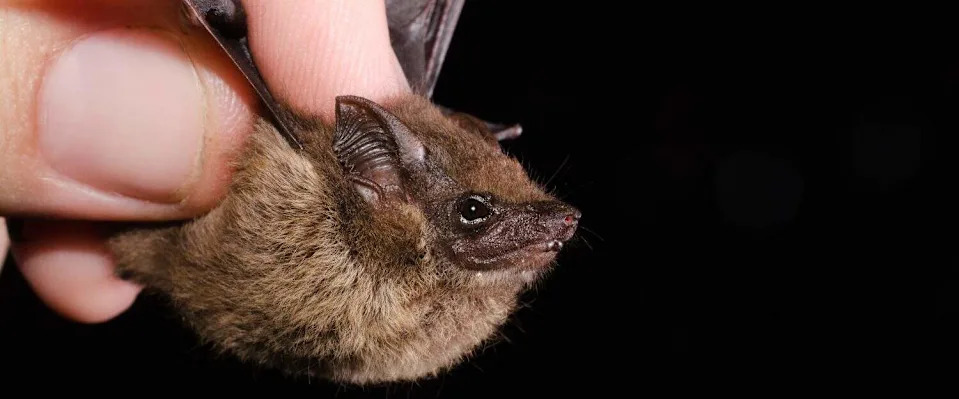
Data from this new study could help further the understanding of animal vocalization and behavior in the future.©Mendesbio/Shutterstock.com
Why It Matters
Babbling has previously been documented in humans, some primates, and songbirds; this study provides the clearest example so far in a non‑primate mammal. While bat pup babbling shows more abrupt onsets and endings than human babbling and appears to cover a narrower repertoire of syllables, the parallels suggest common developmental strategies for learning complex vocal communication. The authors and other scientists note that factors such as social imitation and maternal feedback likely shape vocal development in these bats, and the new dataset will help test those hypotheses.
"Bats are fascinating creatures... many species have sophisticated social vocal communication," said lead researcher Ahana Fernandez, highlighting the species' social complexity.
Future directions: Researchers plan to apply machine learning methods to the labeled recordings to better understand how babbling transitions into adult calls and how social interactions influence vocal learning.
Help us improve.