President Lee Jae Myung dismissed as "absurd" allegations that Unification Minister Chung Dong‑young leaked classified U.S. intelligence, saying the Kusong site was already documented in open research. Seoul's defence ministry said intelligence sharing with Washington remains robust and complementary, including joint analysis of recent missile launches. Yonhap reported the U.S. limited some satellite‑derived intelligence sharing; the U.S. embassy declined to comment. Chung has said North Korea enriched uranium at Kusong, Yongbyon and Kangson.
South Korea's Lee Calls Leak Claim 'Absurd' as Allies Say Intelligence Sharing Remains Robust
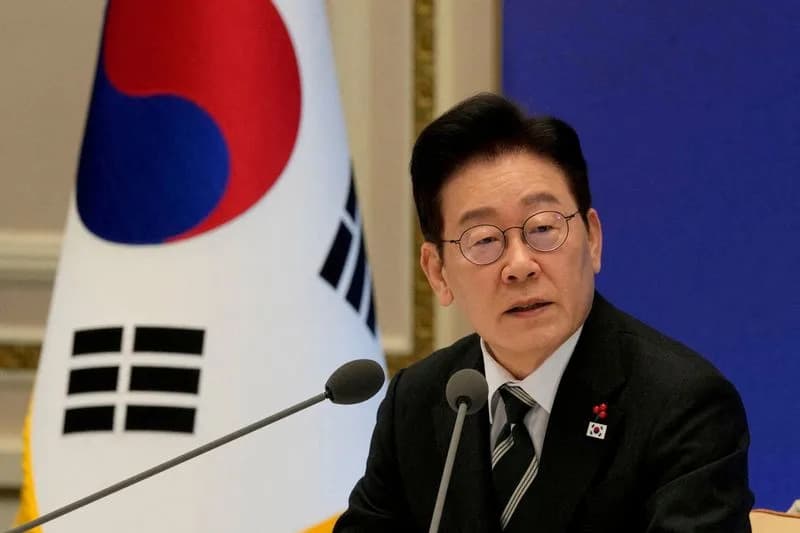
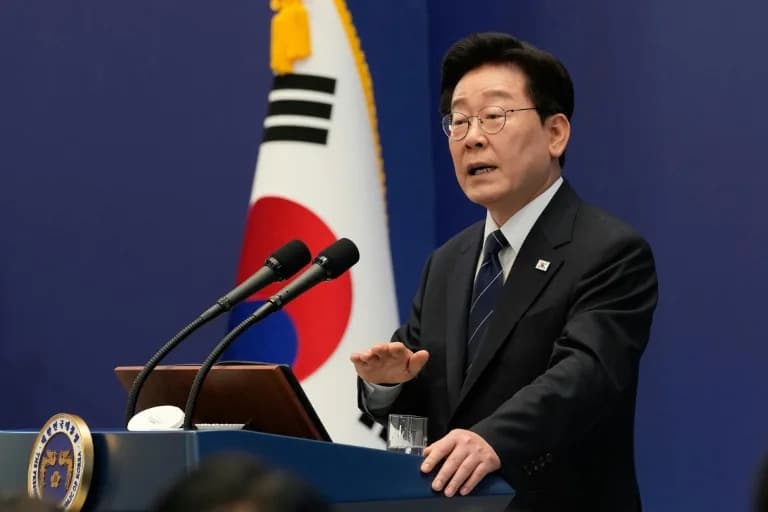
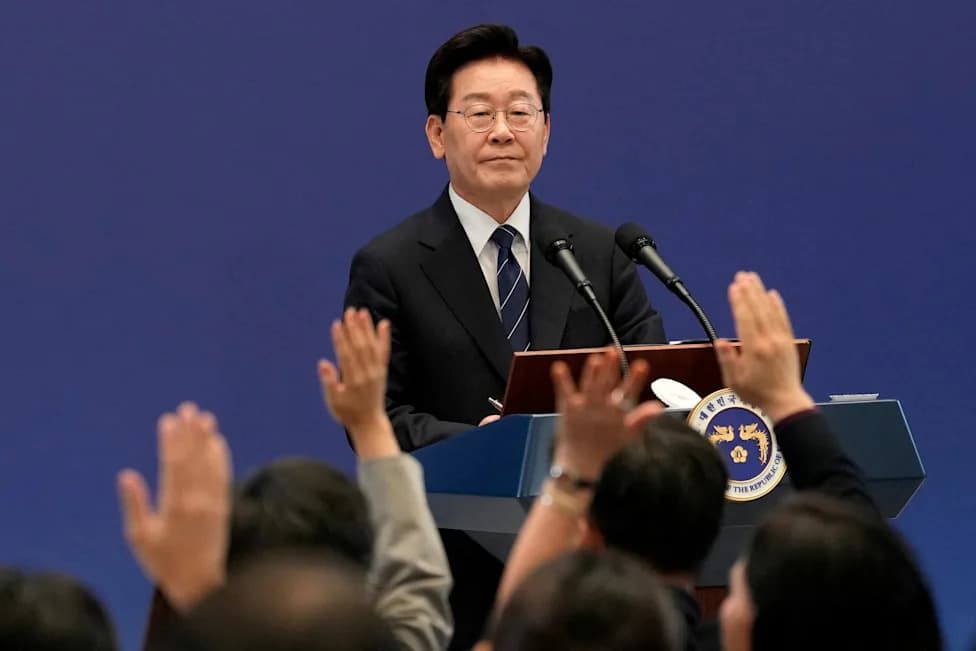
FILE PHOTO: South Korean President Lee Jae Myung speaks during his new year press conference at the presidential Blue House in Seoul, South Korea, Wednesday, Jan. 21, 2026. Ahn Young-joon/Pool via REUTERS/File Photo
SEOUL, April 21 — South Korean President Lee Jae Myung rejected allegations that Unification Minister Chung Dong‑young disclosed classified U.S. intelligence about North Korea's nuclear programs, calling such claims "absurd." The controversy centers on Chung's March remarks about a suspected uranium‑enrichment site near Kusong, which Chung and his ministry say were based on publicly available research and media reports.
Background
South Korean outlets reported that Washington curtailed some intelligence sharing after Chung publicly referenced the Kusong site. The Yonhap News Agency later reported that the U.S. limited sharing of some satellite‑derived intelligence. The U.S. embassy in Seoul declined to comment on diplomatic conversations when asked.
"It is a clear fact that the existence of the Kusong nuclear facility was widely known globally even before Chung's public comments through various research reports and news media," Lee wrote on X. "Any claim or action based on the idea that Minister Chung 'leaked classified information provided by the U.S.' is wrong. I'll be looking closely into why something as absurd as this is happening."
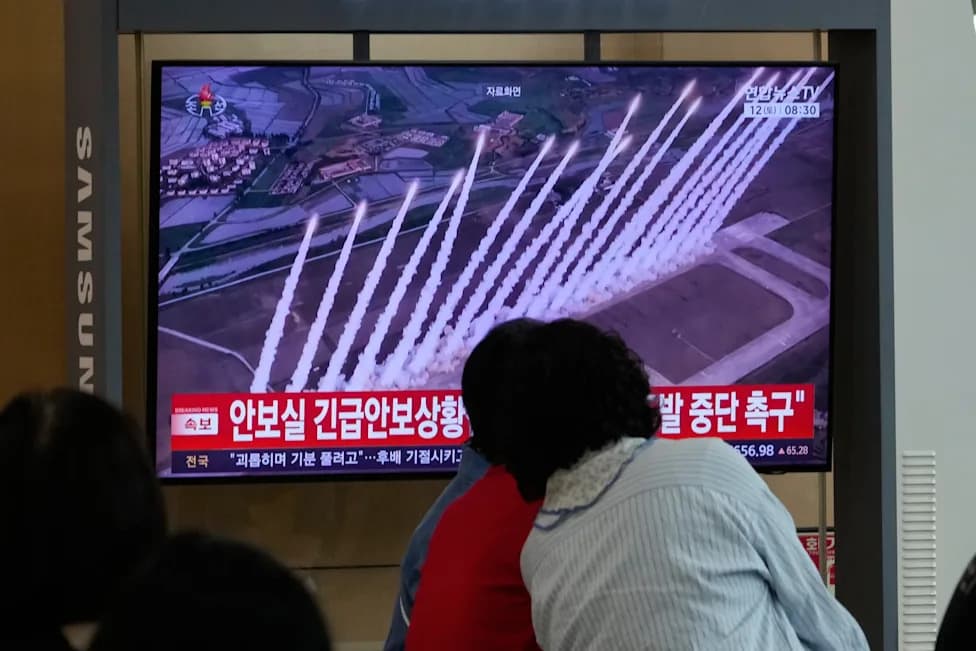
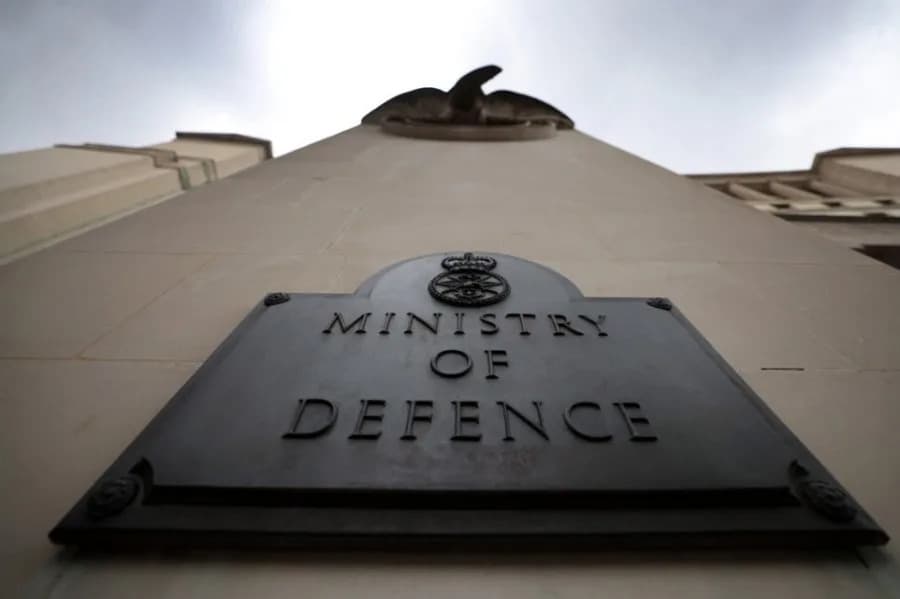
Seoul's defence ministry said U.S. and South Korean intelligence authorities continue to maintain close communication and described the allies' intelligence‑sharing system as robust and mutually complementary. The ministry noted that analysis of a recent North Korean ballistic missile launch was conducted through exchange and cross‑verification of information by both sides.
The defence ministry also rejected an opposition lawmaker's call for Chung's dismissal and an allegation that the commander of U.S. Forces Korea had strongly protested to South Korean officials over the matter.
Chung told a parliamentary committee last month that North Korea has been enriching weapons‑grade uranium at Kusong as well as at previously confirmed or suspected sites in Yongbyon and Kangson. The U.S. and South Korea remain bound by a defence treaty, and roughly 28,500 U.S. troops are stationed in South Korea.
What This Means
The episode highlights the tension between public transparency and the handling of sensitive intelligence within close alliances. South Korean officials maintain the Kusong reference relied on open‑source material; reports of scaled‑back intelligence sharing, if confirmed, would indicate friction over how allies manage disclosures about North Korea's nuclear activities.
Help us improve.