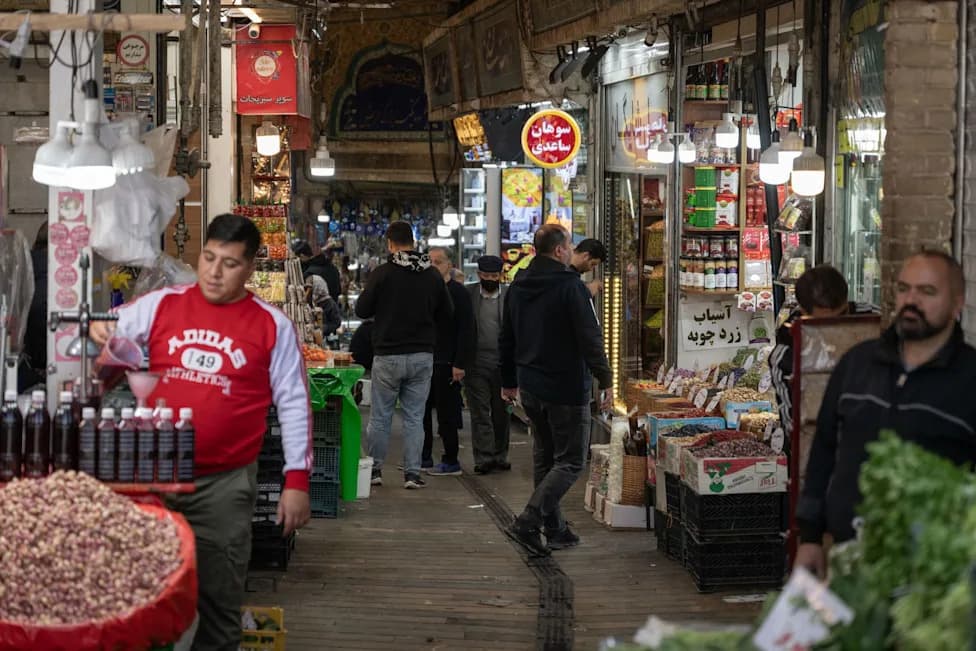
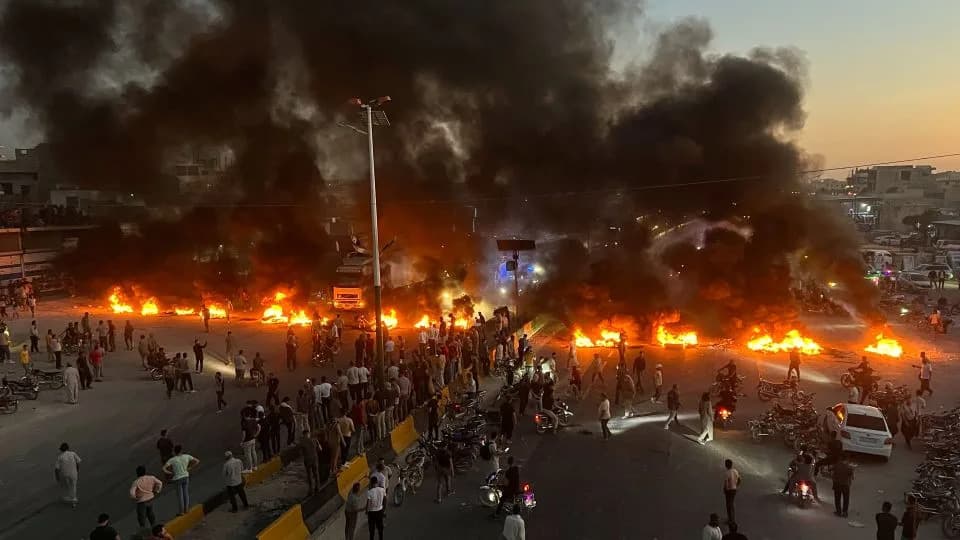
Pakistan's economy is feeling acute pressure as rising petrol prices (+14%+), rolling blackouts and restrictions to conserve gas squeeze households and small businesses. Inflation eased to 7.3% in March but poverty has risen to about 29% and the IMF cut 2026 growth to 3.6%. Key exporters such as textiles and many small enterprises face immediate risk unless energy supply and price pressures ease.
‘Strangled’: Pakistan’s Economy Strained as It Brokers Peace in Iran War
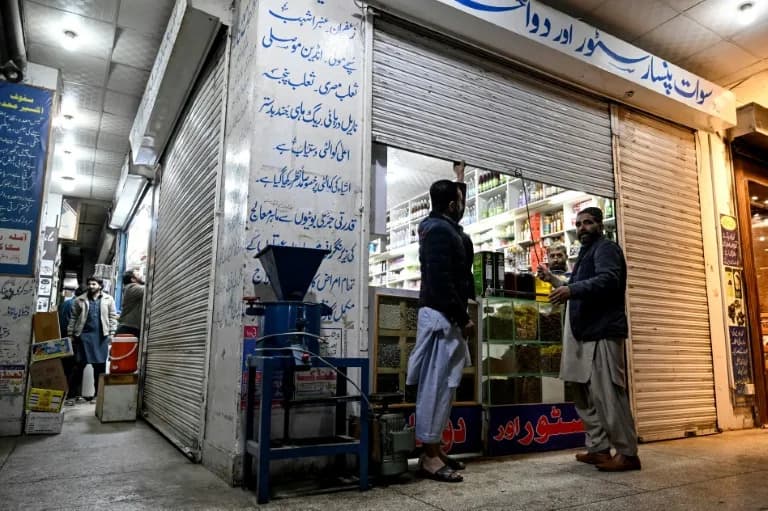
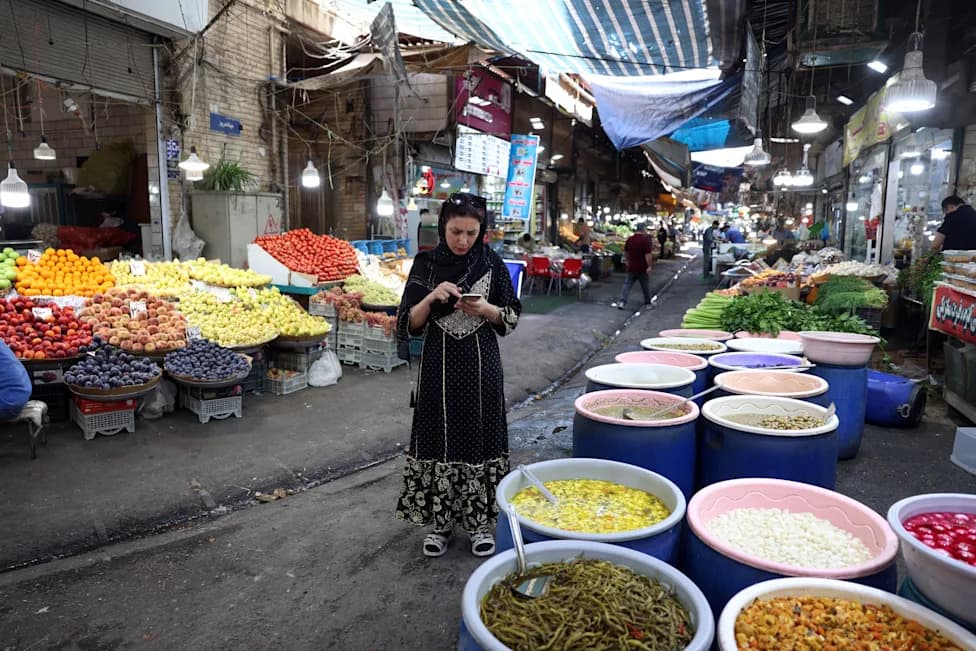
Higher prices and energy-saving measures have been 'devastating' to Pakistani businesses, shopkeepers say (Aamir QURESHI)(Aamir QURESHI/AFP/AFP)
Sheikh Nadeem sat on a plastic chair outside his bedding shop in Islamabad, scrolling through his phone while he waited for customers he knew would not arrive. He described business as "devastating" as rising fuel costs, rolling power cuts linked to the US‑Israel war with Iran, and government limits on opening hours to conserve electricity all erode incomes.
"We can't cover our expenses, and neither do we have the income to be able to pay our workers' salaries," the 40‑year‑old told AFP this week. Across Pakistan, small retailers and day labourers report the same strain: higher transport costs, fewer customers and mounting bills.
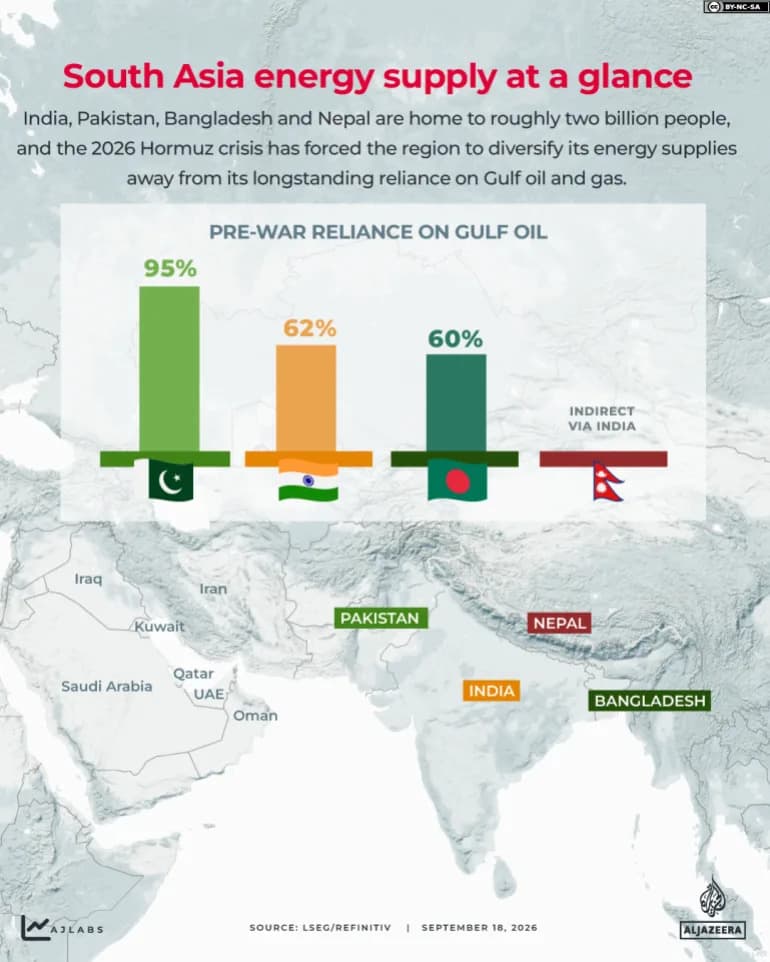
While Pakistan has won attention for mediating between the United States and Iran and burnishing its regional profile, the government faces an equally urgent domestic task: shielding a fragile economy from further shock. Decades of external crises and domestic mismanagement have left the country highly dependent on oil and natural gas imports from the Gulf. A sustained supply disruption or sharp price rise could undo a tentative macroeconomic recovery.
Signs of pressure are already visible: petrol pump prices have risen by more than 14 percent, and authorities recently announced widespread rolling blackouts to conserve scarce natural gas. "When petrol goes up, everything becomes more expensive," said Waqar Saleem, a day labourer at an Islamabad shoe store. "Flour, sugar, everything. When we go to get vegetables they tell us that freight transportation is closed."
Where Is The Growth?
Economic analyst Khurram Husain warned that the power cuts are the most damaging development because of their ripple effects on industry and households. The energy shock has arrived just as Pakistan was cautiously emerging from one of its cyclical downturns.
Official data put consumer inflation at 7.3 percent in March, down from a pandemic‑era peak of 38 percent in May 2023. Unemployment stood at 7.1 percent last year, but roughly 29 percent of Pakistan's 250 million-plus population live in poverty, up from about 23 percent in 2018‑19. The IMF this month trimmed its 2026 growth forecast for Pakistan to 3.6 percent, a 0.8 percentage‑point downgrade linked to the Middle East war.
The country remains heavily indebted and tied to a $7 billion IMF programme. An anonymous Pakistani economic official said the current government, three years in office, had delivered stabilization but little in the way of sustained growth. "Three years down the line, everybody is asking: where is the growth going to come from?" the official said.
Exporters are especially vulnerable. The textile sector — one of Pakistan's largest employers and foreign‑exchange earners — would be among the first to feel a prolonged energy squeeze. Medium‑scale factories and small retailers, like Nadeem's bedding store, risk follow‑on closures.
Hand To Mouth
Households are feeling the pressure daily. Pakistan is largely insulated from fertiliser shortages caused by any closure of the Strait of Hormuz because it produces most of its own fertiliser, but production depends on imported natural gas. While the government has not yet cut supplies to fertiliser producers, rising import costs would eventually push up food prices.
"Food security is a big problem because when there isn't gas then there won't be fertiliser," the economic official warned. Husain said fertiliser prices might be manageable in the short term, but food prices would likely rise due to higher transport costs.
Small business owners spoke of desperation. Muhammad Ahsan, who runs a jewellery kiosk, said: "If this goes on for another two or four months then our entire business will be finished. We are hand‑to‑mouth people. We earn in a day so that we can spend it the same day." He welcomed Pakistan's diplomatic role but urged more decisive domestic action. "Fine, you are taking the country forward on the diplomatic front, no doubt," he said. "But the people are being strangled. They are dying."
Policy makers face a narrow path: continue to press for de‑escalation abroad to protect energy supplies and simultaneously deliver targeted relief and reforms at home to prevent the fragile recovery from unraveling.
Help us improve.