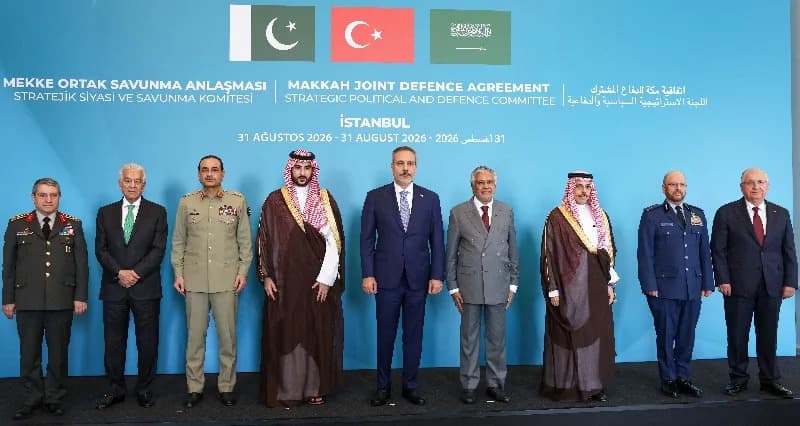
Asim Munir, Pakistan’s field marshal, has emerged as a rare figure trusted by both former U.S. President Donald Trump and senior Iranian security officials. His Iran ties date back to his tenure as Pakistan’s military intelligence chief in 2016–2017, and he recently visited Iran in uniform to meet senior leaders. Elevated to field marshal and later appointed chief of defence forces in 2025, Munir now wields expanded influence — prompting both praise for his back-channel diplomacy and concern that the military is eclipsing civilian government in Pakistan.
Asim Munir: Pakistan’s Field Marshal Bridging Trump And Iran — Power, Influence, And Controversy
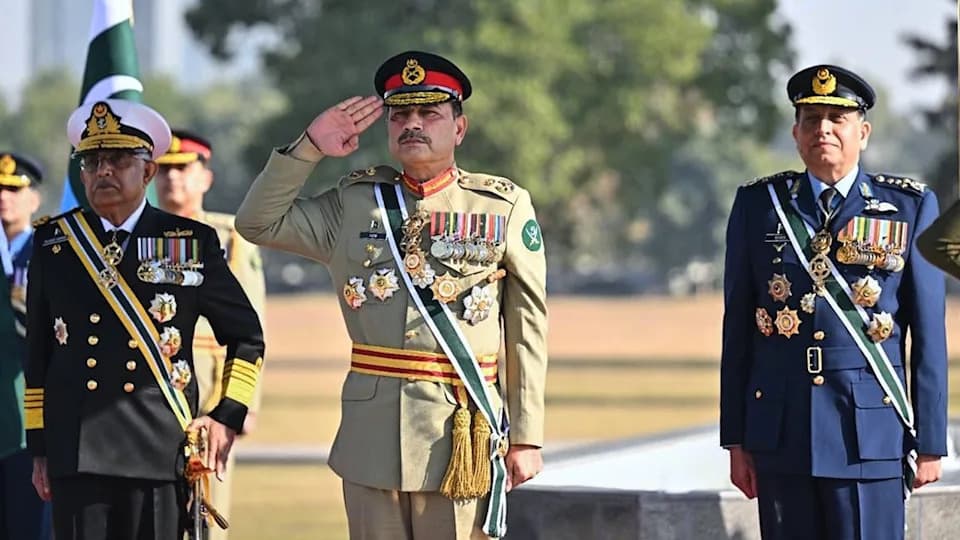
In this photo released by the Inter Services Public Relations, Pakistan's Chief of Defense Forces and Army Chief Gen. Asim Munir, center, Pakistan Naval Chief Admiral Naveed Ashraf, left, and Pakistan Air Force Chief Air Chief Marshal Zaheer Ahmed Babar attend a guard of honor ceremony at the joint military command headquarters in Rawalpindi, Pakistan, Monday, Dec. 8, 2025.(AP Newsroom)
President Donald Trump publicly praised Pakistan’s prime minister and army chief on Truth Social, calling Prime Minister Shehbaz Sharif and Field Marshal Syed Asim Munir “great” and “two fantastic people.” Sharif replied on X, thanking Trump on behalf of the people of Pakistan and Field Marshal Munir. The exchange highlighted Munir’s unusual position as a military leader trusted by both the former U.S. president and senior figures in Iran’s security establishment.
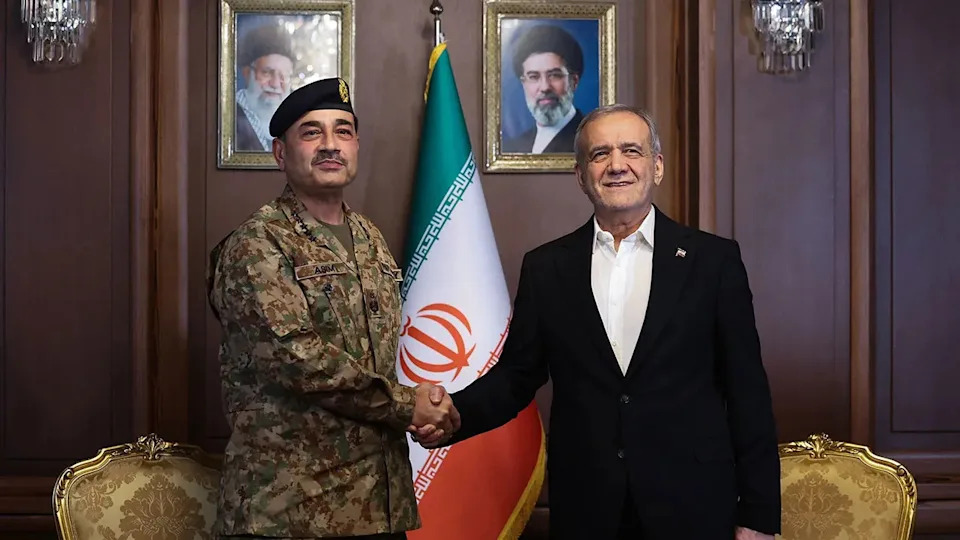
Few foreign figures appear to have closer ties both to Trump and to Iran’s military hierarchy.
Why Munir Matters
Munir has become a key intermediary in sensitive regional diplomacy. Pakistani and Iranian reports say he recently became the first foreign military leader to visit Iran since the latest U.S.–Iran escalation, arriving in full uniform and meeting Iranian Foreign Minister Abbas Araghchi as well as senior Iranian military officials. Retired Gen. Ahmed Saeed told Fox News Digital that Munir has for months acted as an informal back channel between Washington and Tehran while the Trump administration pursues talks over the conflict, Iran’s nuclear program and naval access in the Persian Gulf.
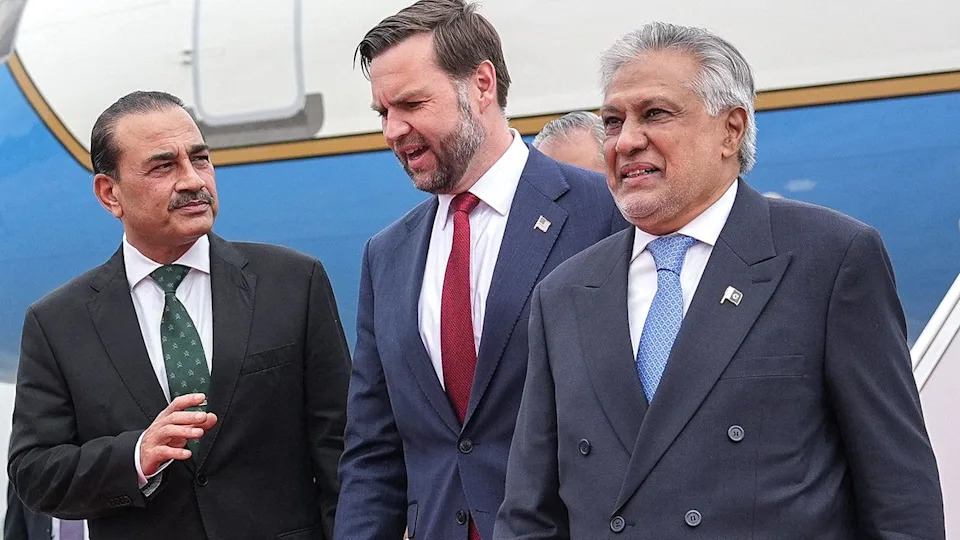
Pakistan's Asim Munir has become one of the few foreign officials trusted by both President Donald Trump and Iran's security establishment, according to Pakistani analysts and officials.
Roots Of His Iran Ties
According to people who have known him for years, Munir began building ties with Iran during his time as Pakistan’s director general of military intelligence in 2016–2017. He is reported to have cultivated contacts not only within the Islamic Revolutionary Guard Corps (IRGC) but also with Iran’s regular army and intelligence services. Sources cite longstanding interactions with senior Iranian commanders, including the late Quds Force commander Qassem Soleimani and IRGC leader Hossein Salami.
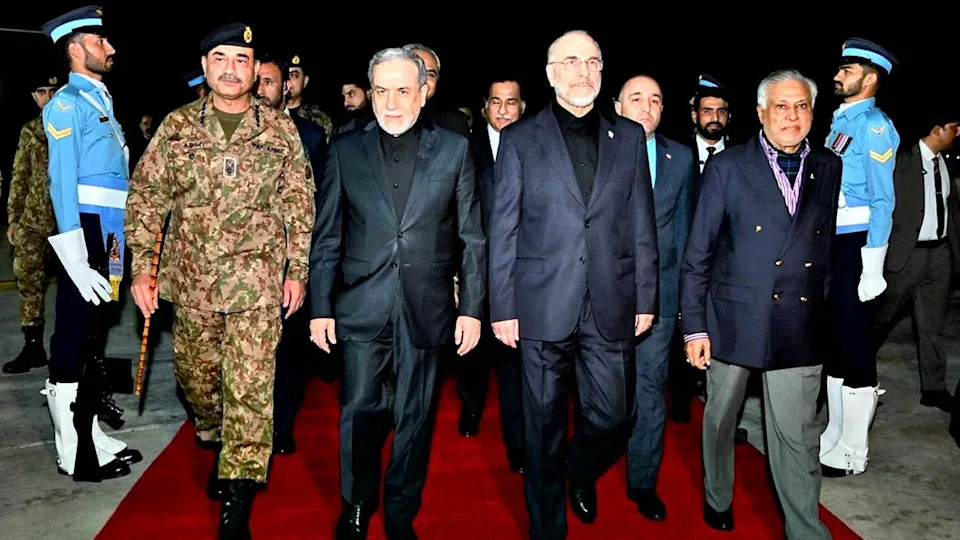
Iran's Parliament Speaker Mohammad Bagher Qalibaf and Foreign Minister Abbas Araghchi were greeted by Pakistan Foreign Minister Ishaq Dar and Army Chief Field Marshal Gen. Asim Munir upon their arrival at Nur Khan airbase in Rawalpindi, Pakistan, April 11, 2026.
Rise And Authority At Home
Munir’s career includes leadership of both Pakistan’s Military Intelligence and the Inter-Services Intelligence (ISI). After helping de-escalate the India–Pakistan crisis in May 2025, he was promoted to field marshal — the first in Pakistan since Ayub Khan — and was later named chief of defence forces, a post that reportedly consolidates authority across the military branches. He earned the Sword of Honour as a cadet and holds advanced military and policy degrees; he is also a Hafiz-e-Quran.
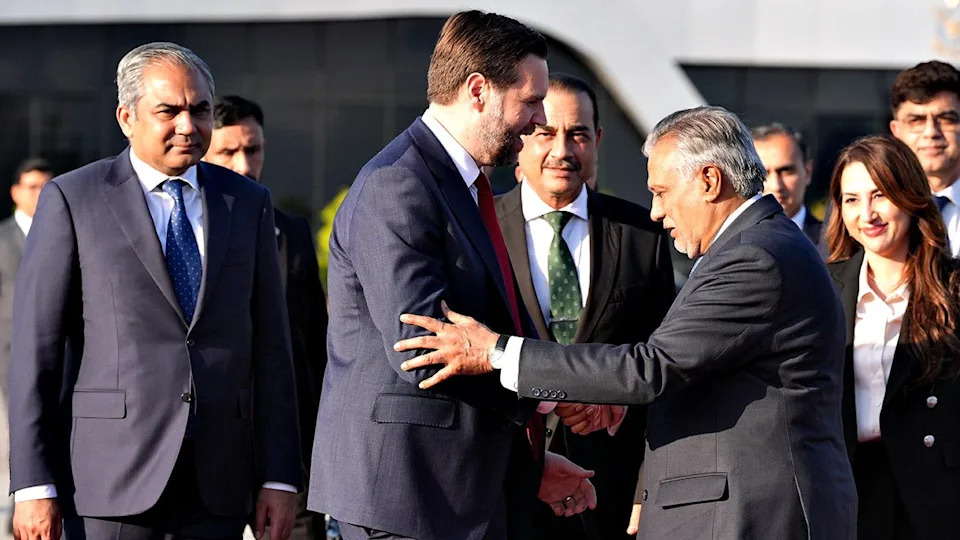
Vice President JD Vance shakes hands with Pakistani Deputy Prime Minister and Foreign Minister Mohammad Ishaq Dar in Islamabad on April 12, 2026, after talks on Iran. Pakistan's Interior Minister Mohsin Naqvi, Chief of Defence Forces Chief of Army Staff Field Marshall Asim Munir, and U.S. Embassy Charge d'Affaires Natalie A. Baker look on as Vance prepares to board Air Force Two.
Support, Style, And Criticism
Analysts such as Raza Rumi describe Munir as a disciplined, institution-first leader with a transactional, operational approach rather than a theatrically charismatic public persona. That demeanor appears to appeal to Trump, who has publicly praised Munir as an “exceptional man” and “my favorite field marshal.” Supporters argue his steadiness and intelligence-background make him an effective back channel for delicate negotiations.
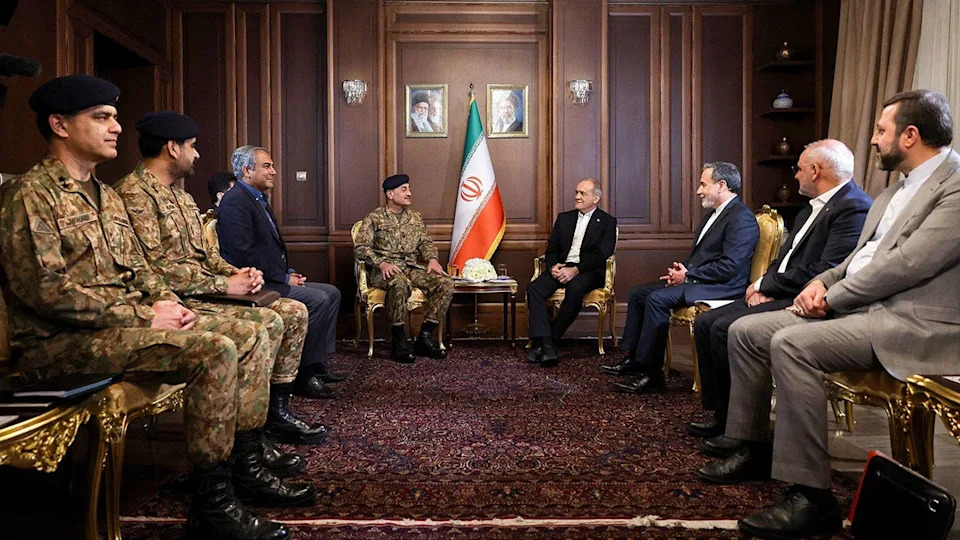
A former head of both Pakistan’s Military Intelligence and Inter-Services Intelligence agencies, Munir spent years overseeing Pakistan’s most sensitive regional relationships, including with Iran, Afghanistan and India.
But critics raise alarms. Bill Roggio of the Foundation for Defense of Democracies warned that Munir’s ties to the IRGC and Pakistan’s opaque security relationships are a potential red flag. Domestic critics and some reporters say Munir’s ascendancy reflects a broader trend of the military exerting greater influence over Pakistan’s politics and foreign policy, with important negotiations coordinated from Rawalpindi rather than the civilian capital, Islamabad.
What’s Next
As diplomatic efforts around the U.S.–Iran confrontation continue, Munir’s unique access on both sides makes him a figure to watch. Supporters say his long-standing relationships and persistent style mean he will remain engaged; detractors worry his growing authority could further marginalize Pakistan’s civilian institutions. Retired Gen. Saeed summed up Munir’s approach: 'He is relentless. He would not give up.'
Help us improve.