The U.S. Air Force Academy held its annual CULEX exercise April 15–18, immersing nearly 4,000 cadets in a continuous 24-hour combat simulation across the Academy’s 18,500-acre campus. The scenario cast USAFA as Hokkaido under attack and divided participants into four joint operating areas of about 800 cadets each, with a student-run "Red Force" complicating operations. Activities included parachute operations, manned flight, airsoft ground defense, drones and mission-control mapping. Now in its second year, CULEX emphasizes leadership, teamwork and multi-domain decision-making over pass/fail testing to better prepare future Air Force and Space Force officers.
USAFA’s CULEX Immerses Nearly 4,000 Cadets in a 24‑Hour, Multi‑Domain Combat Simulation
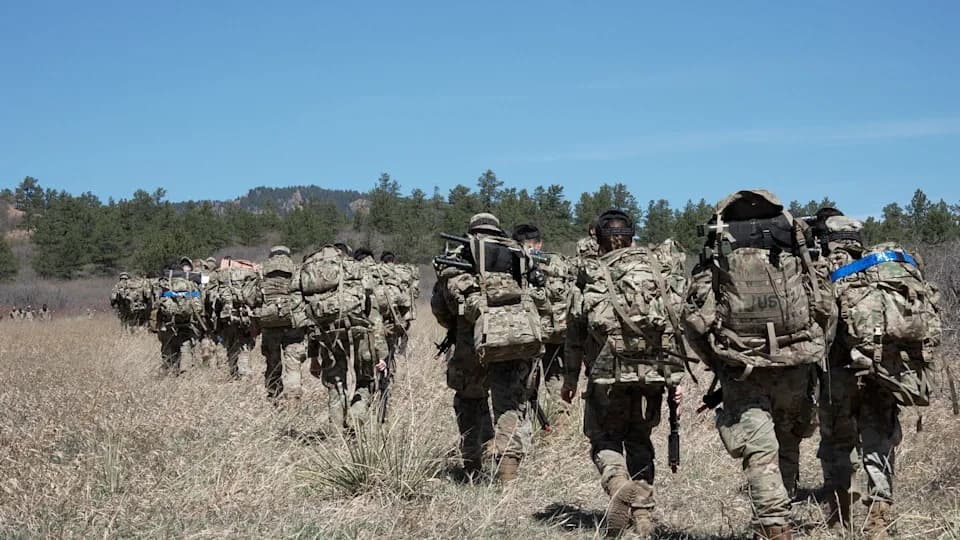
U.S. Air Force Academy cadets hike through the woods during field exercise.(Fox News)
The U.S. Air Force Academy (USAFA) staged its large-scale culminating training exercise, CULEX, April 15–18, placing nearly 4,000 cadets into a continuous 24-hour simulated combat environment on the Academy’s 18,500-acre campus.
Realistic, Multi-Domain Training
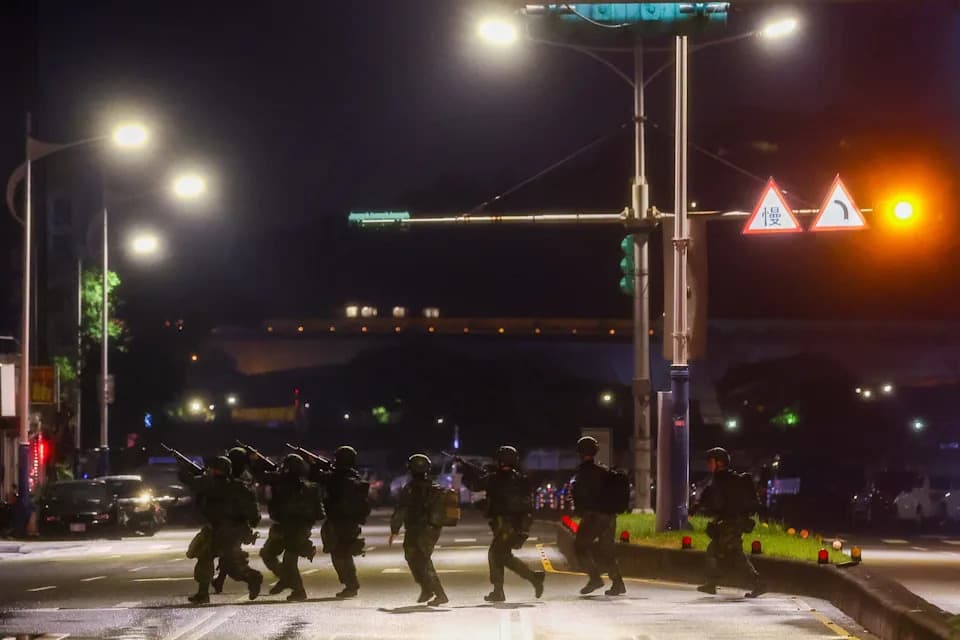
Organizers cast the campus as Hokkaido, a Japanese island under attack, and divided the ground into four joint operating areas (JOAs). Each JOA included roughly 800 cadets tasked with defending an airfield, protecting two high-value assets and recovering a downed airman while confronting simulated battlefield complications such as wounded personnel and incursions by an opposing "Red Force."
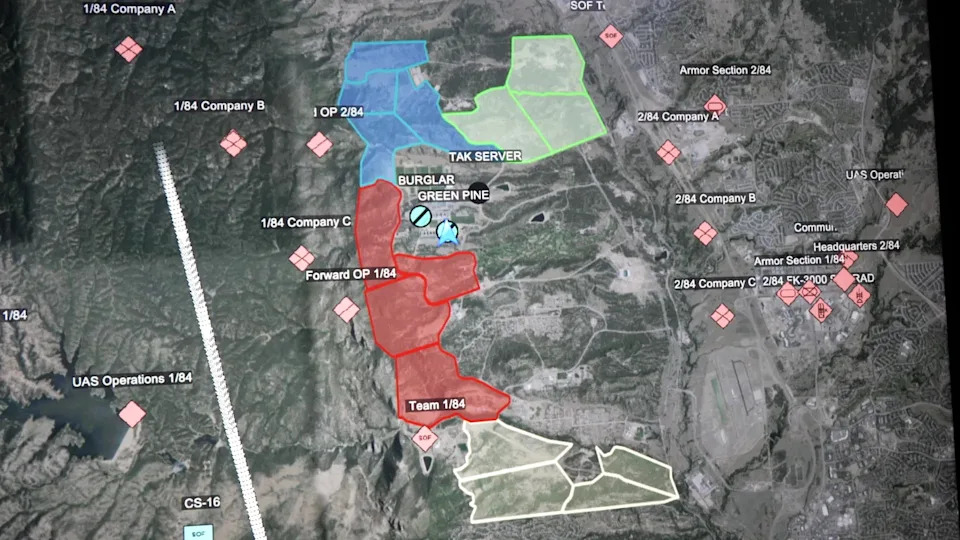
Map displaying the four joint operating areas during the CULEX.
"We've pretty much taken over the entirety of USAFA, to allow all 4,000 of our cadets to have space to operate throughout the exercise,"
said Col. Jennifer Hall, CULEX director.
Student-Led Opposition and Expeditionary Conditions
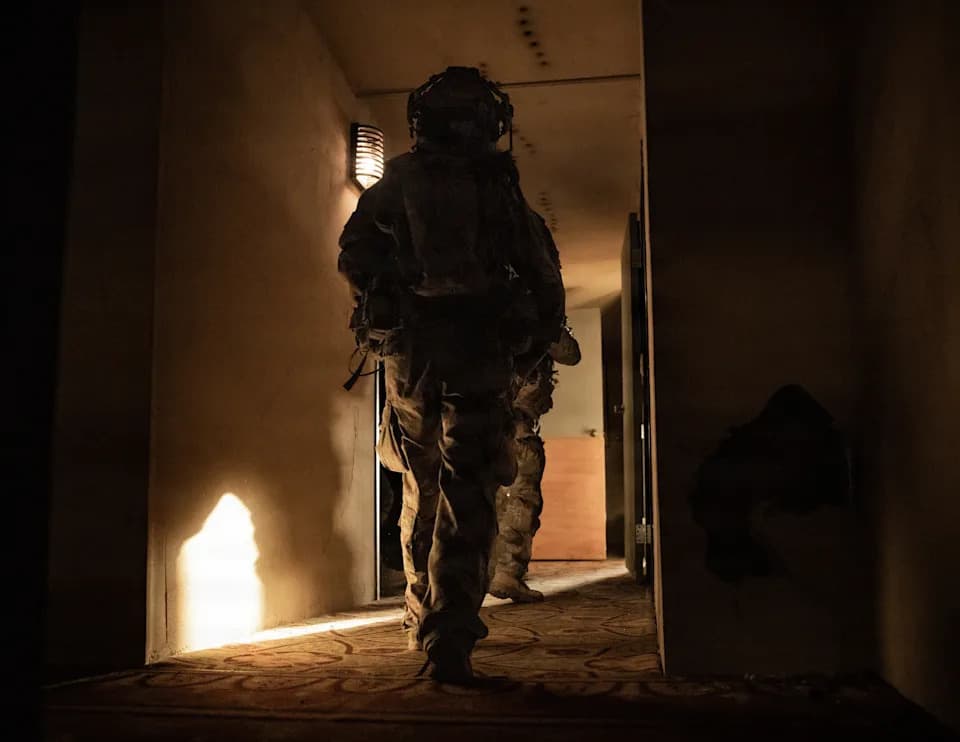
One squadron of cadets served as the student-run "Red Force," actively harassing units to force rapid decision-making. The training area featured about 15 tents to simulate austere, expeditionary conditions, including two tactical operations centers, a medical tent, a warming tent and sleeping tents for cadets who remained overnight for the first time.
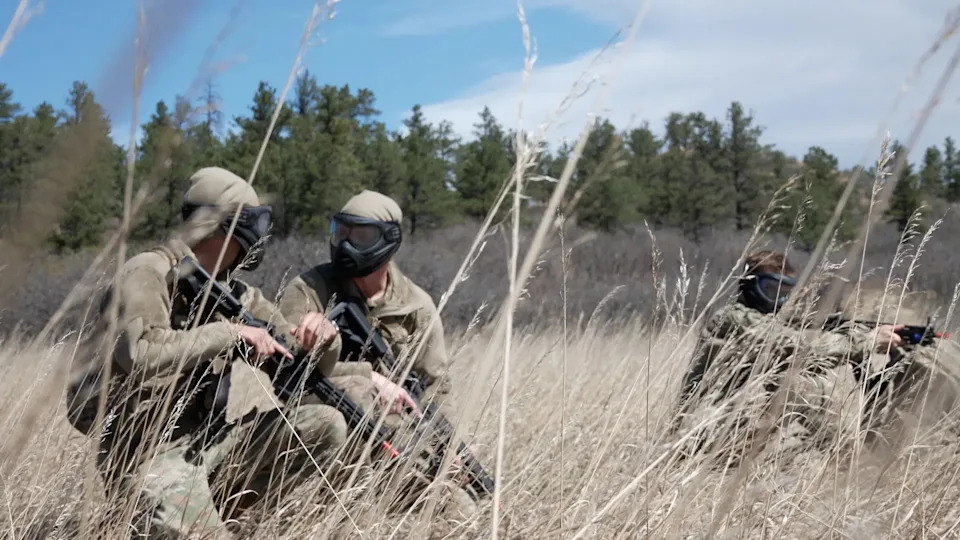
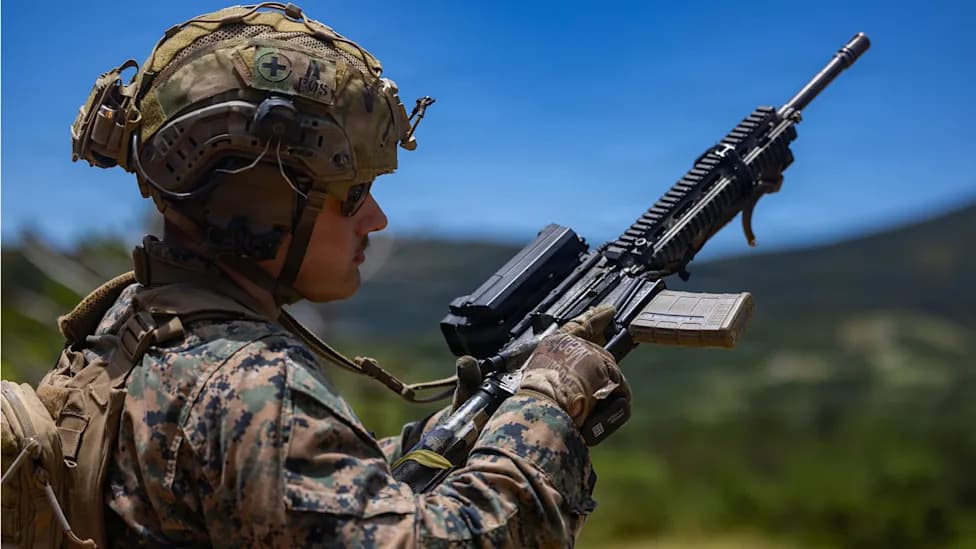
U.S. Air Force cadets on the lookout for enemy targets during the culminating exercise.
Range of Activities
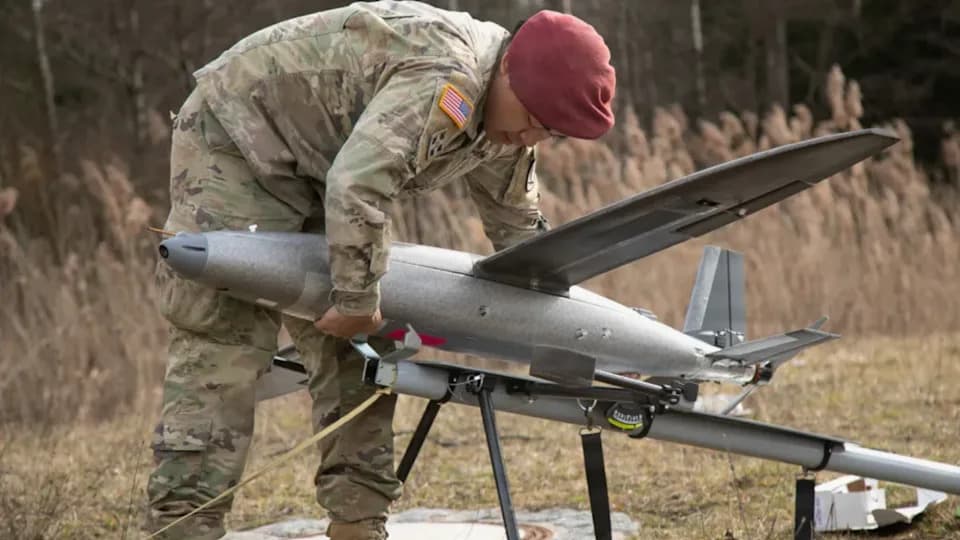
Cadet activities spanned air, ground and cyber/remote domains: some flew aircraft, others executed parachute operations; hundreds on the ground defended camps using airsoft rifles and coordinated radio traffic; and mission-control teams used drones and mapping technologies to solve tactical problems in real time.
"The only way to prepare for the fight that we're in, or the future fight, is to develop the training necessary where they can experience it real time, in the woods, in the field," Hall said.
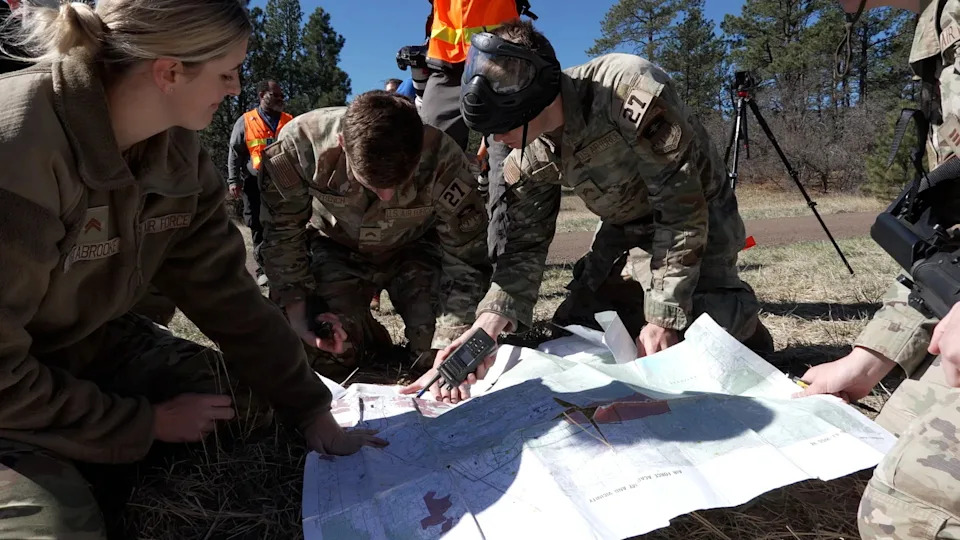
USAFA students study a map during their culminating exercise.
Training Focus and Outcomes
Now in its second year, CULEX emphasizes leadership, teamwork and decision-making rather than a pass-or-fail evaluation. The multi-domain exercise is designed to replicate the environments cadets may encounter as future U.S. Air Force and U.S. Space Force officers.
"For our seniors, in 44 days, they're going to graduate, and they're going to go off, and they're going to be officers in our Space Force and Air Force—how much more equipped they're going to be to lead, to face complicated problems, to know that they can do what's difficult,"
Hall said.
Takeaway: CULEX gives cadets hands-on, realistic experience across multiple warfighting domains to strengthen leadership, teamwork and operational decision-making before they commission.
Help us improve.