Quick Summary: Defense Secretary Pete Hegseth has asked the D.C. Circuit to overturn a judge's injunction that blocked efforts to censure Sen. Mark Kelly and reduce his retirement benefits after Kelly criticized Pentagon policy. A federal judge held that extending the limited speech rules that apply to active-duty service members to retired officers — particularly a sitting senator — would violate the First Amendment. Seventy-three former admirals, generals, and service secretaries warned an adverse ruling would chill veterans' public speech. The appeals court must decide whether Parker v. Levy's limits on active-duty speech extend to retirees.
Hegseth Asks D.C. Circuit To Allow Punishment Of Sen. Mark Kelly — Retired Military Leaders Warn Of Chilling Effect
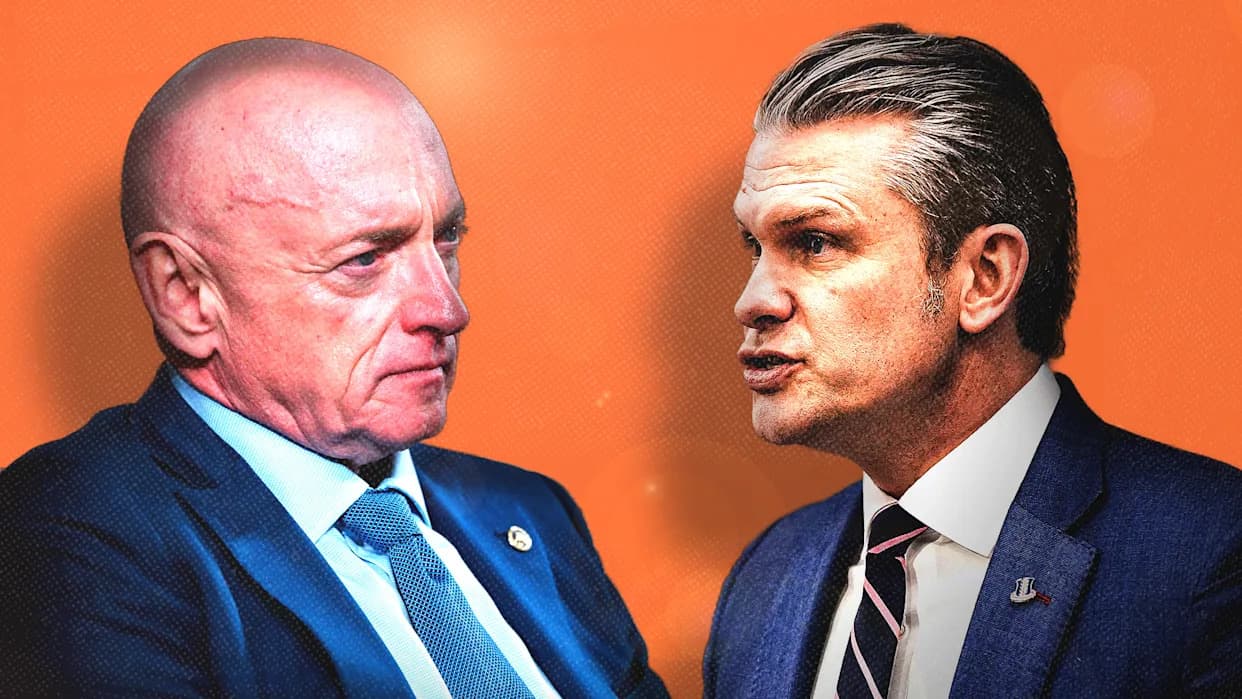
Pete Hegseth Wants the D.C. Circuit To Let Him Punish a Senator for Criticizing Him
Defense Secretary Pete Hegseth has asked the U.S. Court of Appeals for the D.C. Circuit to overturn a federal judge's order that blocked his effort to censure Senator Mark Kelly and cut the senator's retirement benefits after Kelly publicly criticized Pentagon leadership and Trump-era military policies.
Background
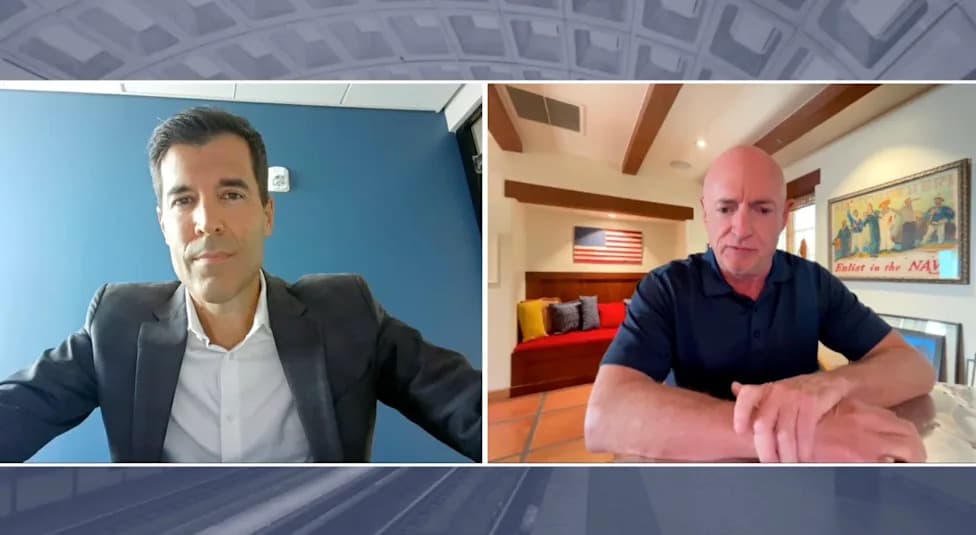
Sen. Mark Kelly, a Democrat from Arizona, is a retired Navy captain who serves on the Senate Armed Services Committee and the Select Committee on Intelligence. Hegseth contends that Kelly's retired status means he remains subject to military discipline when speaking about military matters, and he has threatened administrative penalties — including lowering Kelly's retirement grade and reducing his pension — for speeches and statements he deems 'prejudicial to good order and discipline.'
Judge Leon's Decision
In February, U.S. District Judge Richard Leon issued a preliminary injunction barring Hegseth from enforcing a January censure letter and from taking steps to reduce Kelly's retirement benefits. Leon found Hegseth's theory incompatible with the First Amendment and said no court has extended the narrower speech rules that apply to active-duty service members to retired officers, especially a retired officer who is an elected legislator exercising oversight over the military.
What Hegseth Argues
Hegseth asks the D.C. Circuit to reverse Leon's order, restating an expansive position: that retired officers can face administrative discipline or even criminal prosecution for political speech if a defense secretary deems it harmful to military order. The government emphasizes that retirees can theoretically be recalled to active duty in narrow circumstances and argues that potential recall supports restraint on certain speech.
What Prompted the Dispute
The conflict centers on a November 18 video in which Kelly and five other Democrats told service members they must 'refuse illegal orders.' That admonition echoes long-standing military law and training that members of the armed forces must refuse clearly unlawful orders, including orders to commit violations of the law of war. Kelly also criticized particular deployments and a lethal U.S. maritime strike; in a November 30 interview he said a hypothetical second strike against survivors 'seems' like a war crime and that he personally would refuse such an order.
'When viewed in totality, your pattern of conduct demonstrates specific intent to counsel servicemembers to refuse lawful orders,' Hegseth wrote in his censure letter to Kelly, warning that continued conduct could lead to criminal prosecution or administrative action.
Pushback And The Amicus Brief
Seventy-three former admirals, generals, and service secretaries from both parties filed an amicus brief opposing Hegseth's stance. They call his actions 'unprecedented' and warn that allowing them to stand would chill public participation by veterans and retired service members, depriving the public of experienced voices on national security. The brief stresses that lawful recalls are rare and that recalling a retiree to punish protected speech would itself raise First Amendment problems.
Legal Centerpiece: Parker v. Levy
Hegseth points to Parker v. Levy (1974), a Supreme Court decision that upheld limits on active-duty speech. But Parker involved an active-duty officer urging immediate refusal of orders at his wartime post. Kelly's lawyers and Judge Leon emphasize that Parker's rationale has not been extended to retirees, much less to a retired officer who is also an elected official with oversight responsibilities.
Stakes And Next Steps
The D.C. Circuit will now decide whether to lift Leon's injunction and allow Hegseth to proceed with punitive measures. At issue are the scope of First Amendment protections for retired military personnel, the reach of military discipline, and the balance between preserving military order and protecting public debate — especially when that debate is conducted by a sitting U.S. senator.
Key Facts: The controversy was sparked by a November video urging service members to refuse unlawful orders; Hegseth issued a censure and warned of penalties; a federal judge blocked enforcement; 73 senior retired leaders filed an amicus brief opposing Hegseth; the case turns on whether Parker v. Levy applies to retirees.
Help us improve.