A 2023 genetic analysis led by Dirk Smit found that self-reported misophonia shares genetic risk factors with anxiety, depression, PTSD and tinnitus. The study used data from the Psychiatric Genomics Consortium, UK Biobank and 23andMe and linked misophonia genetics to personality traits like worry, guilt and neuroticism. A separate UK survey of 772 adults estimated an 18.4% prevalence and described intense anger, panic and feelings of being trapped in many sufferers. The authors stress limits: the data were mainly European and misophonia was self-reported, so findings need replication and clinical follow-up.
Study Finds Misophonia Shares Genetic Risk With Anxiety, Depression, PTSD — And Tinnitus
(Daniel Day/The Image Bank/Getty Images)
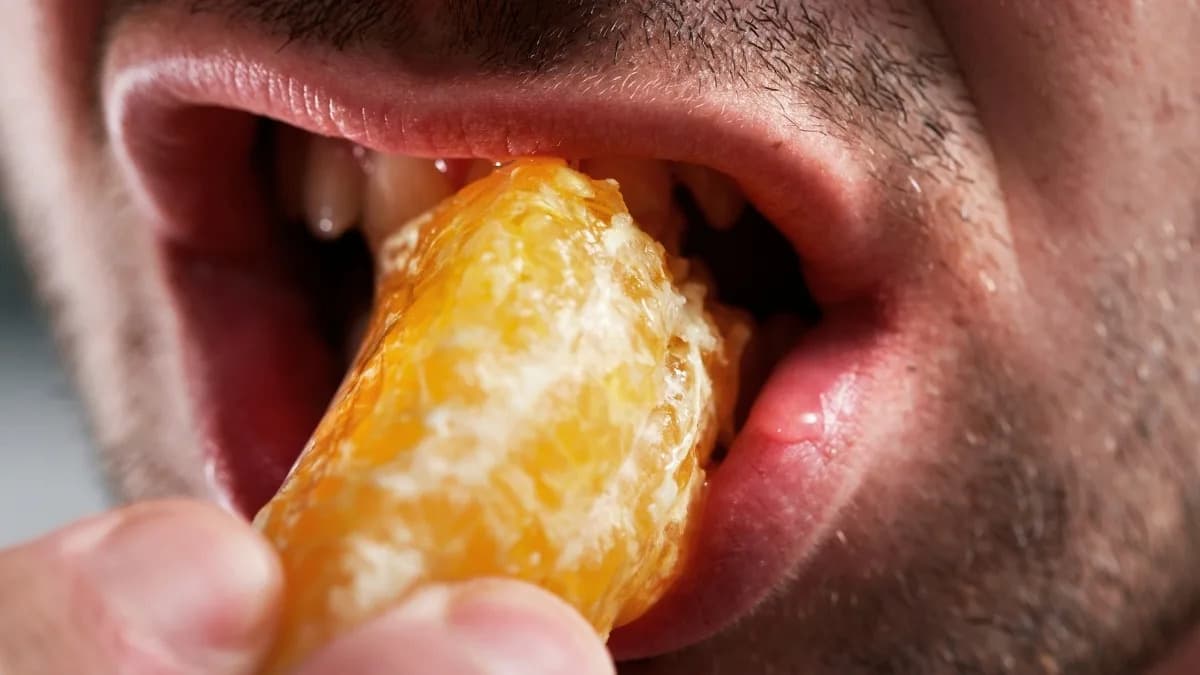
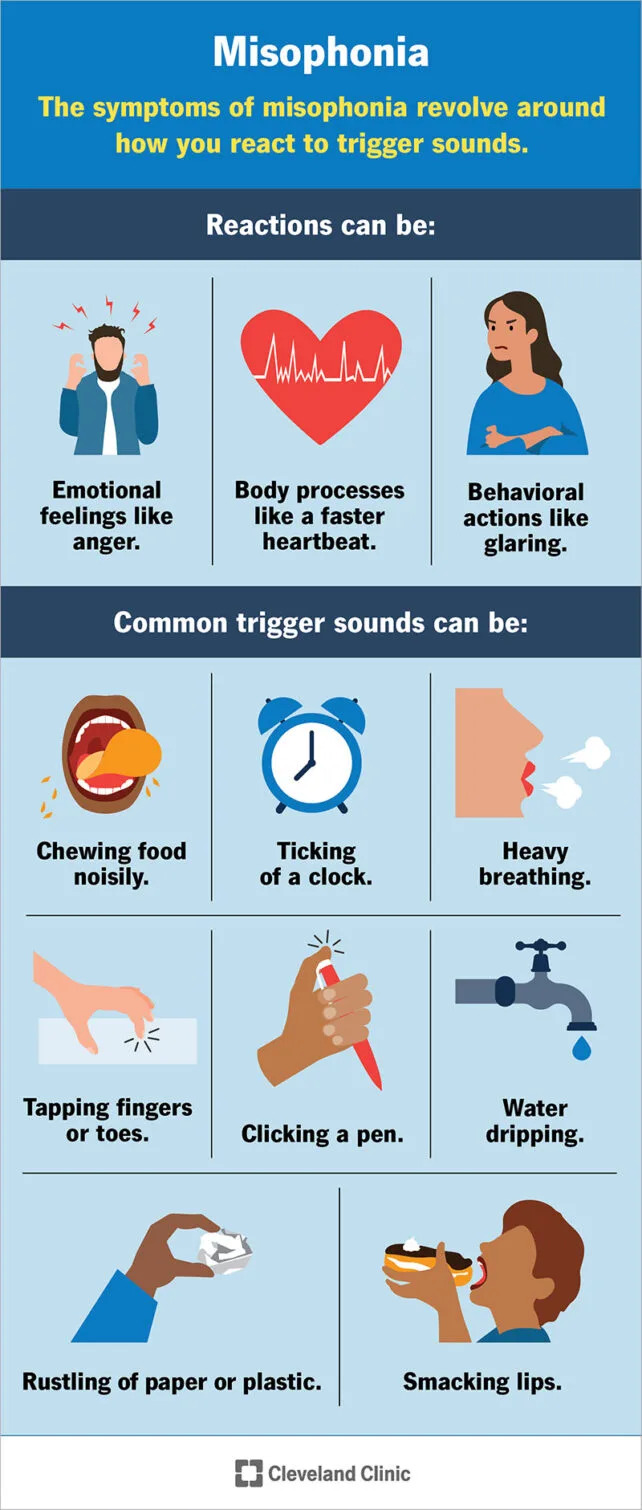
Many people dislike certain noises — the classic example is nails on a chalkboard. For people with misophonia, however, everyday sounds such as chewing, slurping, breathing, snoring or swallowing can provoke intense anger, panic or distress that interferes with daily life.
YouTube Thumbnail
Genetic Study And Key Findings
A 2023 genetic analysis led by psychiatrist Dirk Smit at the University of Amsterdam compared genetic data from large sources — the Psychiatric Genomics Consortium, the UK Biobank and 23andMe — to investigate links between misophonia and psychiatric traits. The researchers found a significant genetic overlap between self-reported misophonia and mood and stress-related disorders, including anxiety, depression and post-traumatic stress disorder (PTSD). They also identified genetic correlations with tinnitus, a persistent ringing or high-pitched sound in the ears.

Subscribe to ScienceAlert's free fact-checked newsletter
"There was also an overlap with PTSD genetics," Smit told Eric W. Dolan at PsyPost. "This means that genes that give a sensitivity to PTSD also increase the likelihood for misophonia, and that could point to a shared neurobiological system that affects both."
Personality Traits And Surprising Autism Result
The genetic profile associated with misophonia correlated strongly with personality traits linked to internalized distress, such as chronic worry, guilt, loneliness and elevated neuroticism. These findings line up with prior research suggesting many people with misophonia tend to internalize their reactions rather than express outward aggression.
People with misophonia can have an intense reaction to triggering sounds. (Cleveland Clinic)
Unexpectedly, the analysis indicated that genetic markers for autism spectrum disorder (ASD) were not positively associated with misophonia. In fact, individuals with a stronger ASD genetic profile were less likely to report misophonia in these datasets. The authors suggest this may point to distinct genomic pathways and the possibility of different misophonia subtypes — for example, forms driven by conditioned anger or by other negative emotionality moderated by personality.

Responses to a triggering sound can range from irritation and anger to distress that interferes with everyday life. (Andrii Iemelyanenko/Canva)
UK Survey: How Common Is Misophonia?
A separate 2023 UK survey of 772 adults used a questionnaire probing five dimensions of misophonia — perceived emotional threat, internal and external appraisals, outbursts, and overall impact — and estimated a prevalence of 18.4% in the sampled UK adult population. Respondents with misophonia reported more intense anger and panic, feelings of being trapped or helpless, and were more likely to be disturbed by sounds that rarely bother others, such as normal breathing or swallowing.
Limitations And What This Means
The authors emphasize several important caveats. Most genetic data in the analysis came from people of European ancestry, so the reported genetic overlaps may not generalize to other populations. Also, misophonia status in the genetic datasets was self-reported rather than clinically diagnosed, which could introduce bias. Crucially, genetic overlap does not prove that the disorders share identical biological mechanisms — it indicates shared risk factors that merit further study.
Overall, the study suggests misophonia clusters genetically with psychiatric disorders and a personality profile consistent with anxiety and PTSD, and it highlights tinnitus as another related phenotype. The genetic findings point to targets for future research and may eventually inform therapeutic approaches adapted from anxiety- and trauma-focused treatments.
Publication: The genetic study was published in Frontiers in Neuroscience. An earlier version of this article appeared in October 2024.
Help us improve.