The Trump administration is preparing to pivot from military strikes to intensified economic pressure on Iran, with Treasury Secretary Scott Bessent calling new measures the "financial equivalent" of a bombing campaign. Washington plans to threaten and expand secondary sanctions on countries, banks and firms that handle Iranian oil proceeds, and has warned two Chinese banks. The U.S. also sanctioned an oil-smuggling network tied to Ali Shamkhani. Critics warn the moves could backfire or be offset by higher oil prices, while officials say recent actions have strengthened U.S. leverage.
From Bombs To Banks: U.S. Shifts Toward Economic Warfare To Pressure Iran
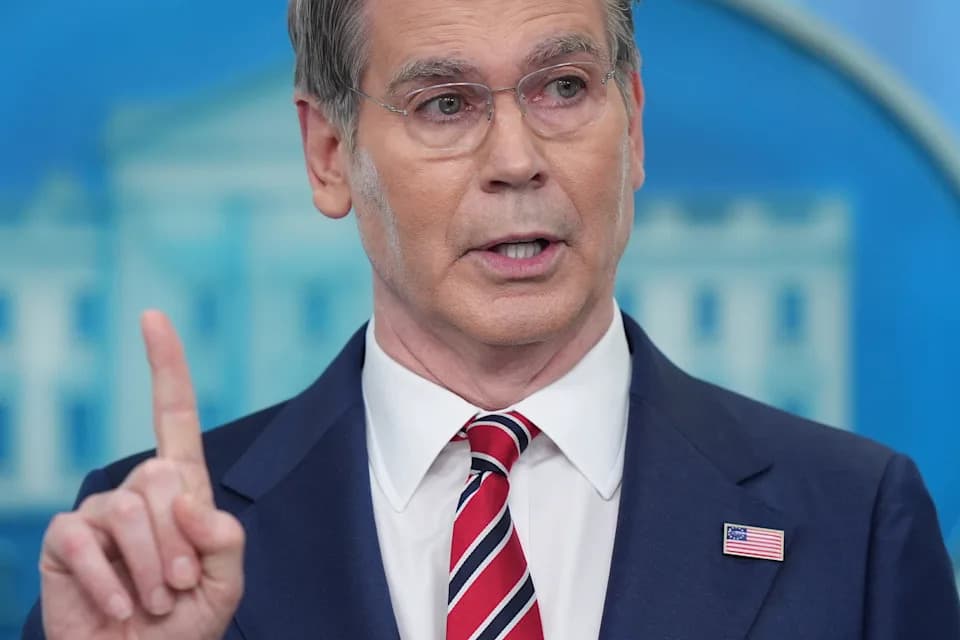
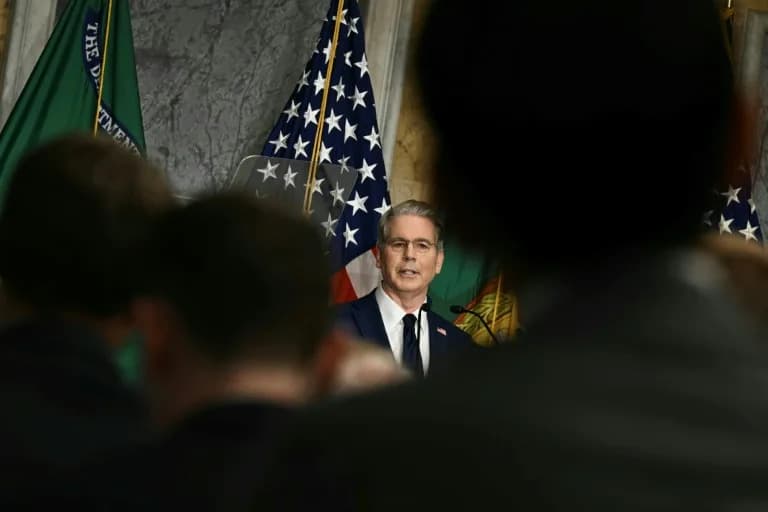
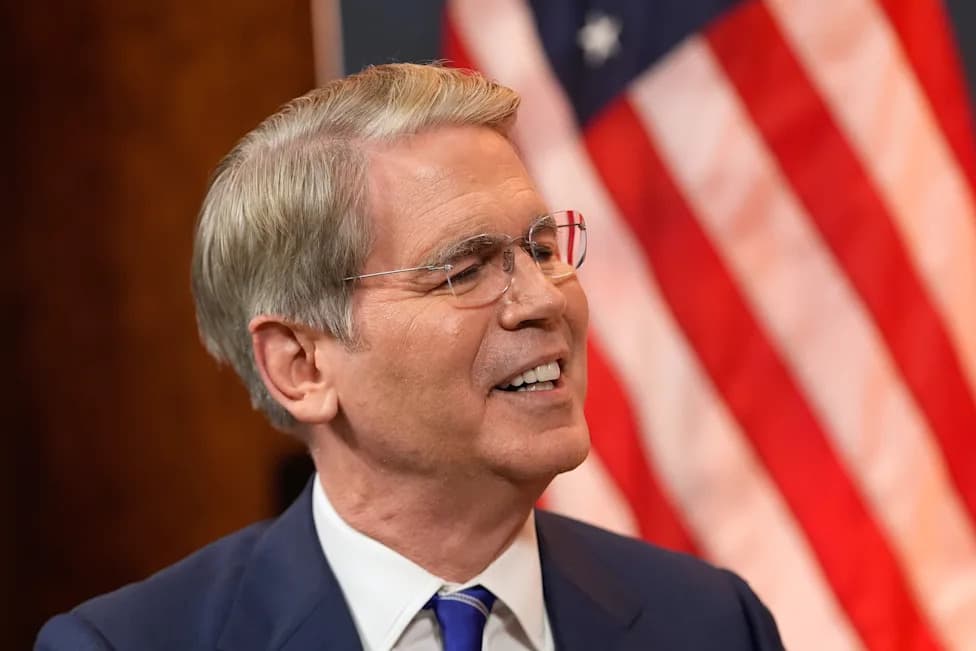
Treasury Secretary Scott Bessent speaks with reporters in the James Brady Press Briefing Room at the White House, Wednesday, April 15, 2026, in Washington. (AP Photo/Alex Brandon)(ASSOCIATED PRESS)
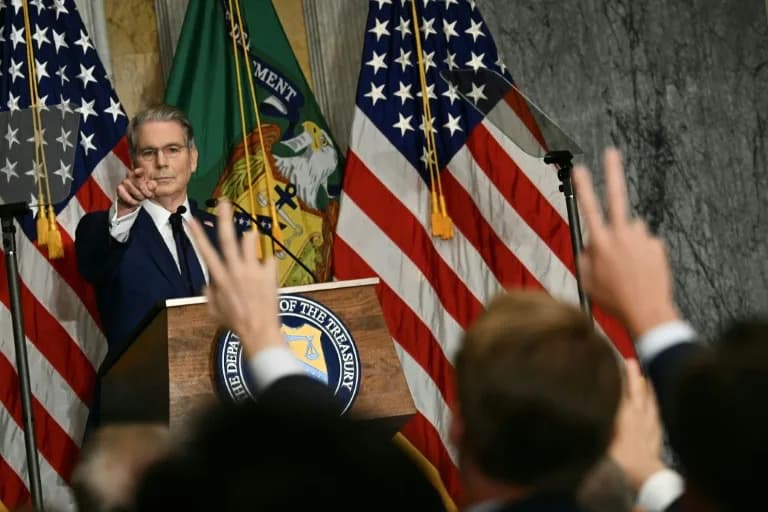
WASHINGTON — The Trump administration is preparing to shift its campaign against Iran away from primarily kinetic strikes and toward intensified economic measures aimed at choking Tehran's financing. Treasury Secretary Scott Bessent told reporters the new approach will be the "financial equivalent" of a bombing campaign.
What Washington Says It Will Do
Officials say the centerpiece of the escalation would be the expanded use of secondary sanctions on countries, banks, companies and vessels that do business with Iranian-controlled entities. The move could reach partners and competitors alike, including the United Arab Emirates and China, and represents a tougher line than existing penalties.
"We have told companies, we have told countries that if you are buying Iranian oil, that if Iranian money is sitting in your banks, we are now willing to apply secondary sanctions, which is a very stern measure," Bessent said. He warned Tehran to expect "the financial equivalent of what we saw in the kinetic activities."
The Treasury Department recently sent a letter to financial institutions in China, Hong Kong, the UAE and Oman warning of possible secondary sanctions for handling Iranian proceeds and accusing those jurisdictions of allowing illicit Iranian activity to pass through their banking systems.
Targets, Tactics And Timing
Administration officials said they have notified two Chinese banks about handling Iranian funds. The warnings come ahead of a planned presidential visit to Beijing. Officials also said Gulf neighbors are increasingly willing to consider freezing Iranian deposits because of Iran's conduct during the conflict.
Officials identified additional economic targets that could be hit to intensify pressure, including bonyads — large charitable trusts that control a meaningful share of Iran’s economy.
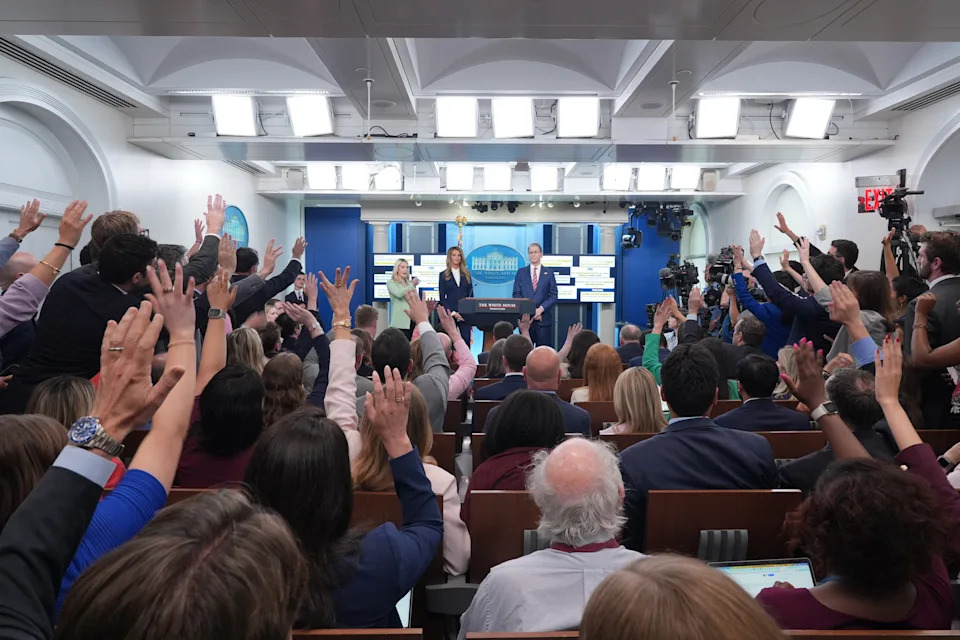
White House press secretary Karoline Leavitt , Small Business Administration administrator Kelly Loeffler and Treasury Secretary Scott Bessent speak with reporters in the James Brady Press Briefing Room at the White House, Wednesday, April 15, 2026, in Washington. (AP Photo/Alex Brandon)(ASSOCIATED PRESS)
Recent Sanctions
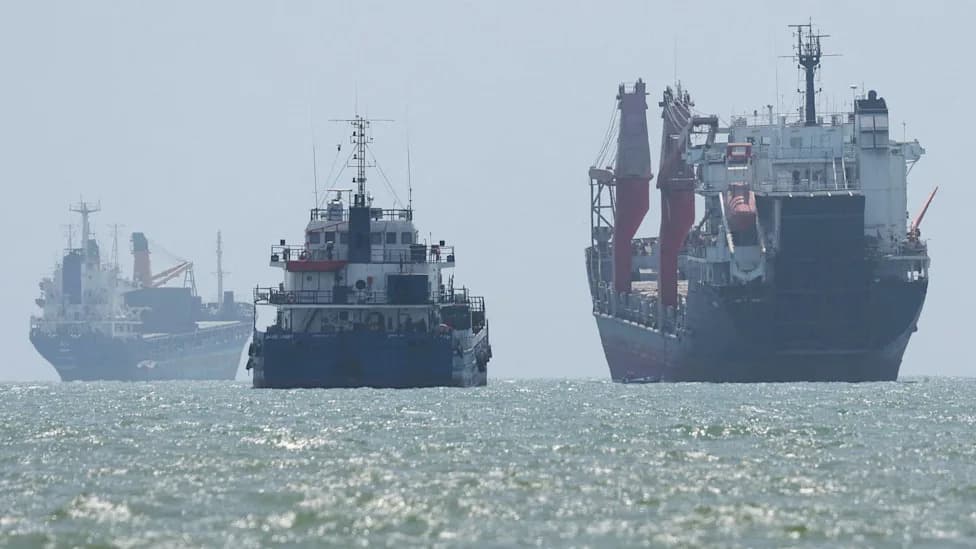
On Wednesday, the U.S. imposed sanctions on an oil-smuggling network tied to the late senior Iranian security official Ali Shamkhani. The measures target dozens of individuals, companies and vessels accused of covertly transporting and selling Iranian and Russian oil through front companies, many operating out of the UAE.
"Treasury will continue to cut off Iran’s illicit smuggling and terror proxy networks," Bessent said. "Financial institutions should be on notice that Treasury will leverage all tools and authorities, including secondary sanctions, against those that continue to support Tehran’s terrorist activities."
Domestic Debate And International Risks
Critics warn that the economic moves may be ineffective or provoke diplomatic backlash. Senator Elizabeth Warren, the top Democrat on the Senate Banking Committee, said higher oil prices and a de facto blockade in the Strait of Hormuz have, at least temporarily, benefited Iran’s economy. Sanctions attorney Daniel Pickard cautioned that broad secondary sanctions could generate diplomatic and economic blowback from allies and trading partners.
Supporters argue the combination of the ceasefire, a blockade of shipments from Iranian ports in the Strait of Hormuz and new financial measures have shifted leverage toward the United States. Vice President JD Vance said the administration seeks a "grand bargain" that would see Iran abandon nuclear ambitions in exchange for economic opportunity, while White House deputy chief of staff Stephen Miller called the blockade a "checkmate move" that could marginalize Iran economically.
Human And Economic Costs
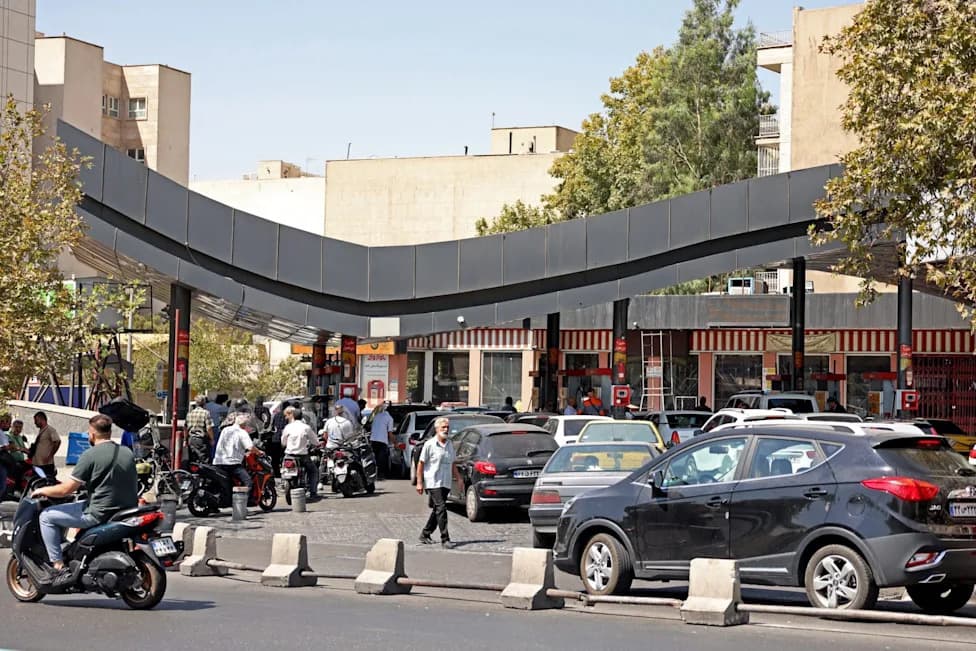
Officials say Iran has suffered tens of billions of dollars in infrastructure damage during the bombardment, including setbacks to its oil sector — the core of the country's fragile, long-isolated economy — damage that could take years to repair. Some analysts argue that battlefield gains could give Tehran bargaining power even as Washington presses economically.
The administration faces a strategic choice: press harder with sanctions and risk international friction, or pursue diplomacy while preserving global economic coalitions. The coming days — including the pending expiration of a ceasefire — will test which path prevails.
Help us improve.