Youhuang Xiang, a 32-year-old former Indiana University postdoc, pleaded guilty to concealing E. coli DNA in a package from China that had been mislabeled as women’s underwear. He was sentenced to more than four months in prison, fined, placed on supervised release and will be deported after serving his sentence. Prosecutors say the FBI found evidence he lied about Chinese Communist Party membership, and officials say the case underscores growing concerns about illicit biological shipments and research-security risks.
Former Indiana University Researcher Sentenced After Pleading Guilty to Smuggling E. coli DNA
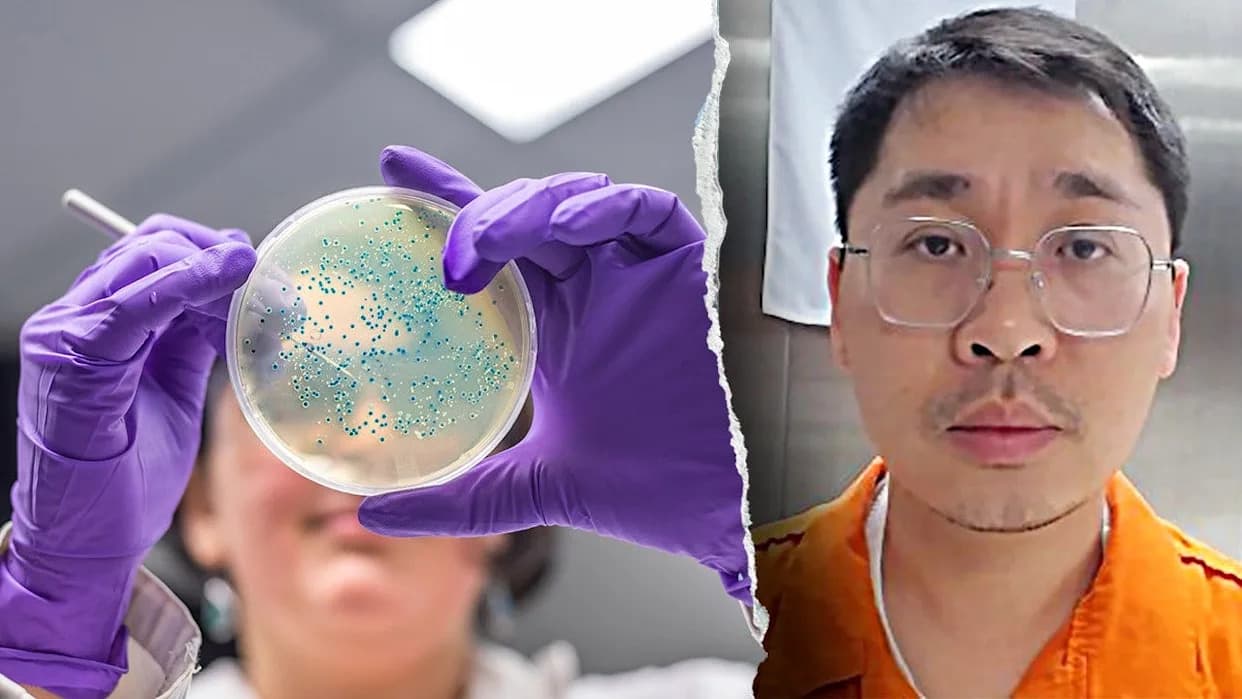
Chinese researcher on US visa pleads guilty to smuggling E. coli into the country
A former Indiana University postdoctoral researcher has been sentenced to more than four months in federal prison after admitting he concealed Escherichia coli (E. coli) DNA in a shipment from China that was mislabeled to evade detection, federal prosecutors said.
Youhuang Xiang, 32, a Chinese national, acknowledged in court that he received a package at his Bloomington, Indiana, residence in March 2024 that had been falsely declared as women’s underwear. According to the U.S. Attorney’s Office for the Southern District of Indiana, the shipment originated from a China-based company identified in court filings as Guangzhou Sci-Tech Innovation Trading.
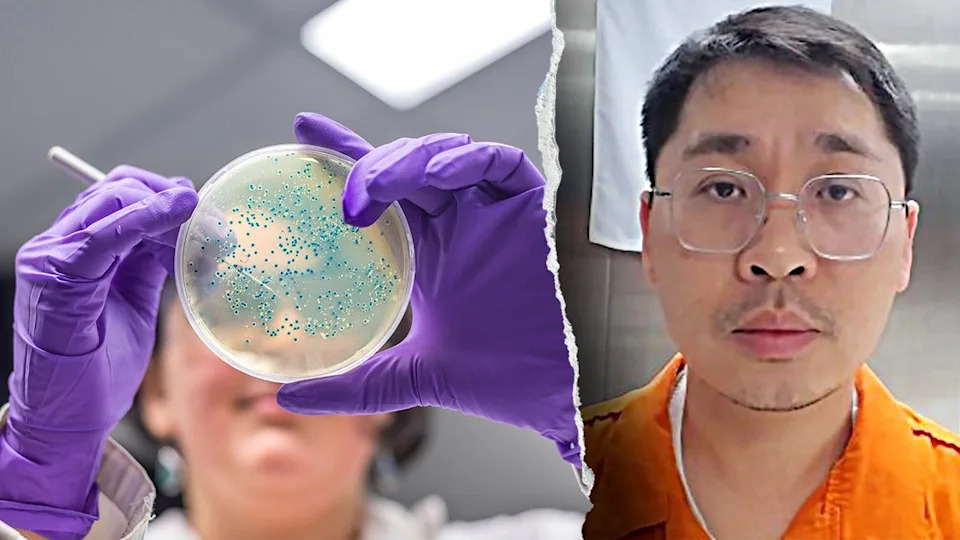
Split image of E. coli bacteria sample in a lab and Chinese researcher Youhuang Xiang(Getty Images)
Prosecutors said the FBI’s Indianapolis Division began investigating suspicious shipments from China to individuals affiliated with Indiana University in November 2024. Agents determined the package Xiang received had been described on the manifest as "Underwear Of Man-Made Fibers, Other Womens," an unusual description for a supplier whose business focus appeared to be science and technology products.
Authorities said Xiang was stopped by U.S. Customs and Border Protection officers at Chicago O’Hare International Airport in November 2024 while returning from a research trip to the United Kingdom. Court documents say he initially denied knowledge of the shipment but later admitted it intentionally contained samples of E. coli DNA.
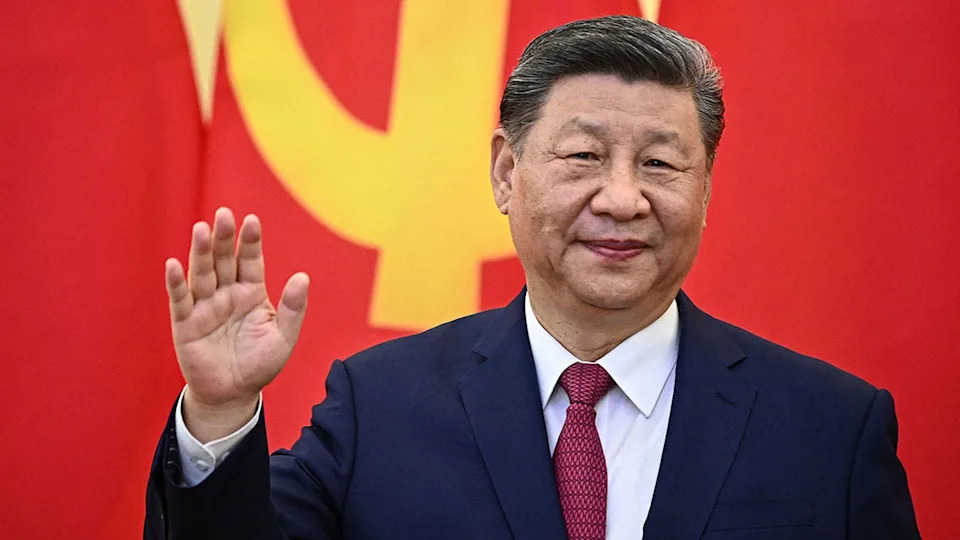
Chinese President Xi Jinping waves during a meeting with Vietnam's communist party general secretary To Lam in Hanoi on April 14, 2025.
Public health officials note that E. coli is a bacterium commonly found in the gut; while most strains are harmless, some can cause serious illness if pathogenic strains spread.
"Such conduct poses a very serious threat to public safety and to the health of our agricultural economy," U.S. Attorney Tom Wheeler said.
FBI Indianapolis Special Agent in Charge Timothy J. O’Malley added that attempting to clandestinely import biological materials into the United States creates a serious public-safety risk.
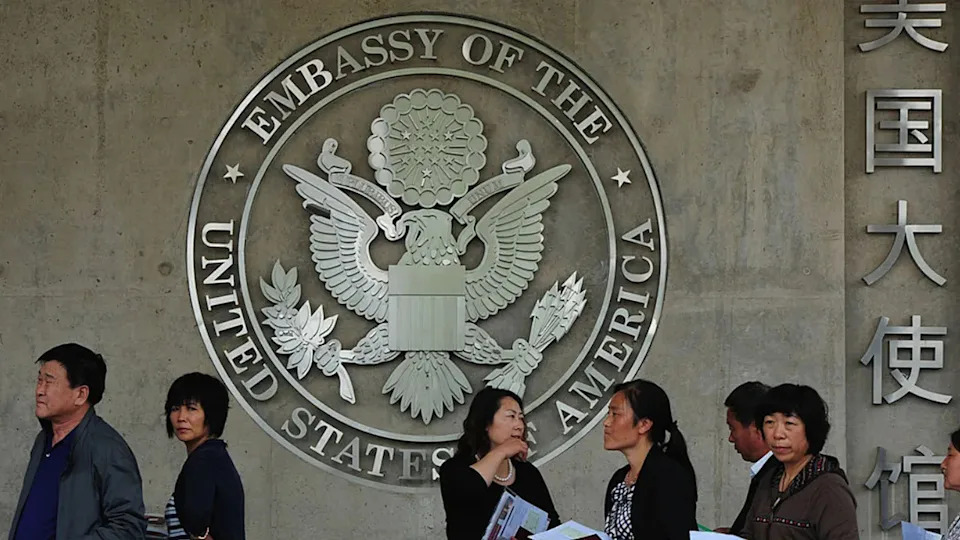
Visa applicants line up at the U.S. Embassy in China.
Federal prosecutors also reported that the FBI uncovered evidence suggesting Xiang was a member of the Chinese Communist Party and that he had not disclosed that affiliation to U.S. immigration authorities; those allegations were included in court filings and asserted by authorities.
A federal judge sentenced Xiang to more than four months in prison, ordered him to pay a fine, imposed a period of supervised release and directed his removal from the United States after the sentence is completed.
Broader Context
Prosecutors described the case as part of a pattern of recent enforcement actions involving foreign researchers and undisclosed or improperly imported biological materials. Officials pointed to related prosecutions alleging that other researchers brought biological samples into the United States without necessary disclosures or permits.
In separate matters, federal authorities have pursued cases involving alleged smuggling of biological materials by researchers at other U.S. institutions, highlighting increased scrutiny of cross-border shipments and compliance with biosecurity rules for federally funded research.
Help us improve.