The U.N. Food and Agriculture Organization warned that a prolonged disruption in the Strait of Hormuz could derail fertiliser and energy exports, driving up food prices and reducing crop yields. FAO Chief Economist Maximo Torero said poorer countries are most at risk because tight planting calendars leave little room for delayed inputs. The FAO cautioned such disruptions could lead to lower agricultural output, higher inflation and slower global growth.
UN Warns Prolonged Strait Of Hormuz Crisis Could Spark Global Agrifood Catastrophe
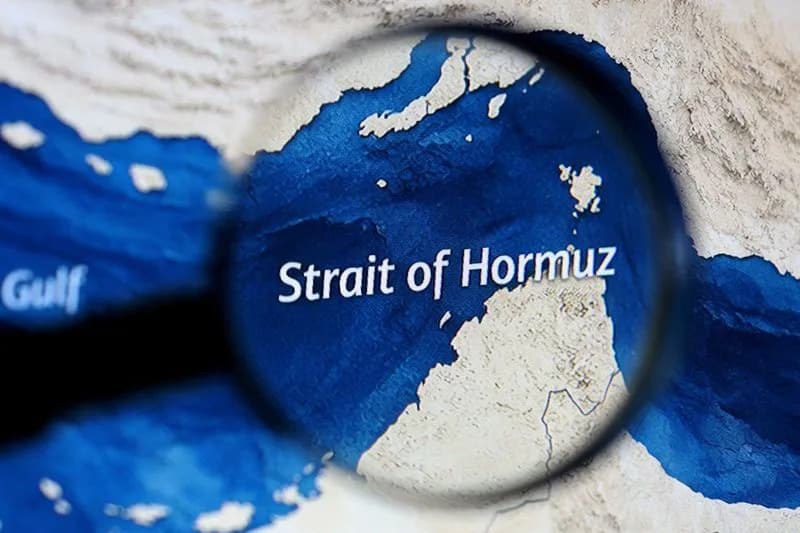
FILE PHOTO: A map showing the Strait of Hormuz is seen in this illustration taken March 23, 2026. REUTERS/Dado Ruvic/Illustration/File Photo
ROME, April 13 (Reuters) — The U.N. Food and Agriculture Organization (FAO) warned on Monday that an extended crisis in the Strait of Hormuz could spark a global agrifood catastrophe by disrupting exports of fertiliser and energy, pushing food prices higher and reducing crop yields.
FAO Chief Economist Maximo Torero said poorer countries are particularly exposed because tight planting calendars leave little margin for delayed access to essential inputs such as fertiliser and fuel. Delays at critical times can quickly translate into lower harvests, higher food inflation and a drag on global growth.
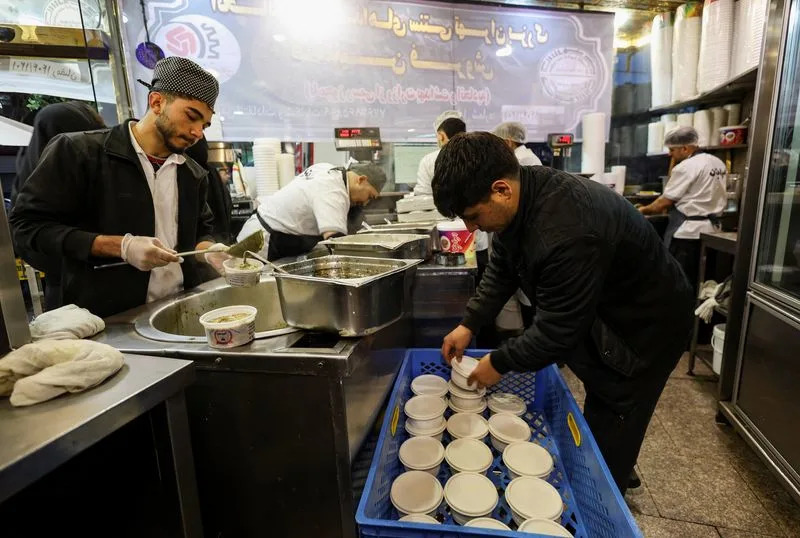
Workers prepare food at a restaurant, amid heightened tensions linked to the U.S.-Israeli conflict with Iran, in Tehran, Iran, March 13, 2026. REUTERS/Alaa Al Marjani
The FAO warned the disruption risks constraining supplies of essential agricultural inputs at critical planting times in many vulnerable countries.
The Strait of Hormuz is a key global shipping chokepoint. A sustained interruption to shipping there could ripple through fertiliser supply chains and energy markets, exacerbating shortages and price shocks for food producers and consumers worldwide.
The FAO called on governments and international agencies to closely monitor food and input markets and to consider targeted emergency measures to protect vulnerable farmers and food-insecure populations.
(Reporting by Crispian Balmer; editing by Gavin Jones)
Help us improve.