Key Takeaway: Shell Foundation CEO Jonathan Berman warned that disruptions in the Strait of Hormuz will drive a "structural shift" in energy consumption among the billions outside the digital economy. Forecasts suggest about three years before normalization, but the most disconnected consumers are likely to adapt by shifting to more reliable, locally available energy sources. Regions dependent on energy imports—particularly East Asia and sub-Saharan Africa—are already feeling acute effects, with farmers facing higher fertilizer and fuel prices.
Strait of Hormuz Disruption to Trigger 'Structural Shift' in Energy Use, Shell Foundation CEO Warns
Hormuz disruption will lead to ‘structural shift’, Shell Foundation CEO says
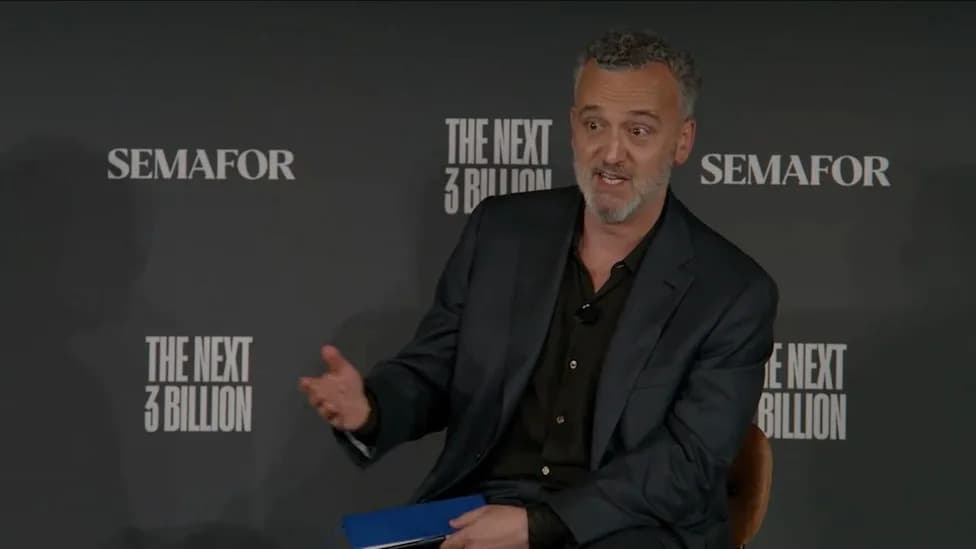
Jonathan Berman, chief executive of the Shell Foundation, warned at Semafor’s The Next 3 Billion event that recent disruptions in the Strait of Hormuz will produce a "structural shift" in how billions of people outside the digital economy consume energy.
Berman said forecasts point to roughly three years before conditions begin to normalize. While some markets and large actors may weather the disruption, he cautioned that the most digitally disconnected consumers will not be able to absorb the shock and "will make an adjustment," resulting in "a permanent shift to energy that is much more reliable, much closer to them."
"Those people will make an adjustment — a permanent shift to energy that is much more reliable, much closer to them," Berman said.
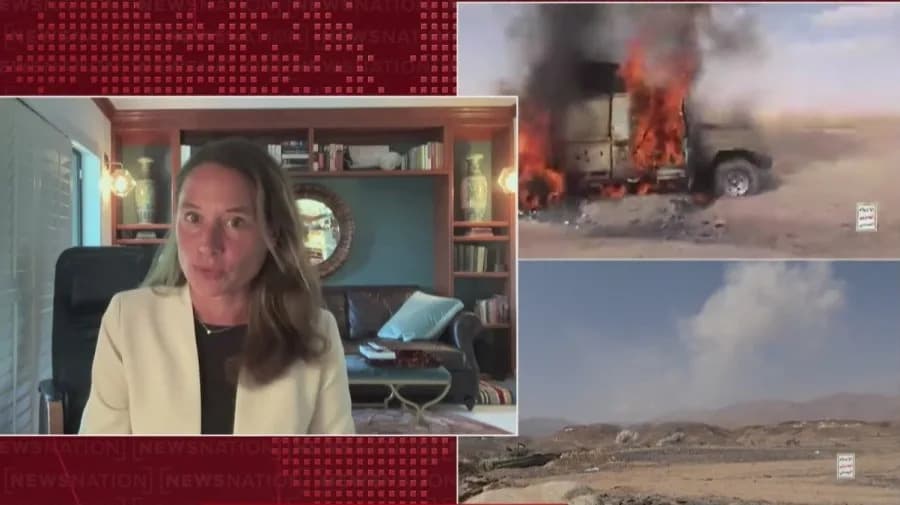
The Strait of Hormuz is a critical maritime chokepoint for global oil and gas flows; interruptions there can ripple through international markets and supply chains. The fallout from the Iran war has hit energy-import-dependent regions particularly hard, notably East Asia and sub-Saharan Africa. Farmers in those regions have already felt pressure from rising fertilizer and fuel costs, compounding existing vulnerabilities.
Implications
Berman’s remarks suggest the disruption could accelerate a move toward more localized and resilient energy solutions for populations with limited access to the digital economy. Policymakers, development organizations and private-sector actors may need to prioritize investments in reliable, distributed energy systems, supply-chain resilience and support for vulnerable consumers to avoid long-term damage to livelihoods and economic inclusion.
Help us improve.