A mouse study found that parental exposure to sucralose or stevia changed gene expression and gut microbiome profiles in descendants, creating subtle shifts in glucose regulation that could raise susceptibility to metabolic problems across generations. Researchers split 47 mice into water, sucralose, and stevia groups and bred them for two generations, then tested descendants for insulin resistance and microbiome changes. Sucralose produced more consistent, longer-lasting effects; authors stress the findings show association not causation and recommend moderation and further research.
Mouse Study Suggests Sucralose And Stevia Could Raise Diabetes Risk In Future Generations

A range of carbonated drinks are displayed in a Tesco supermarket in London (Getty)
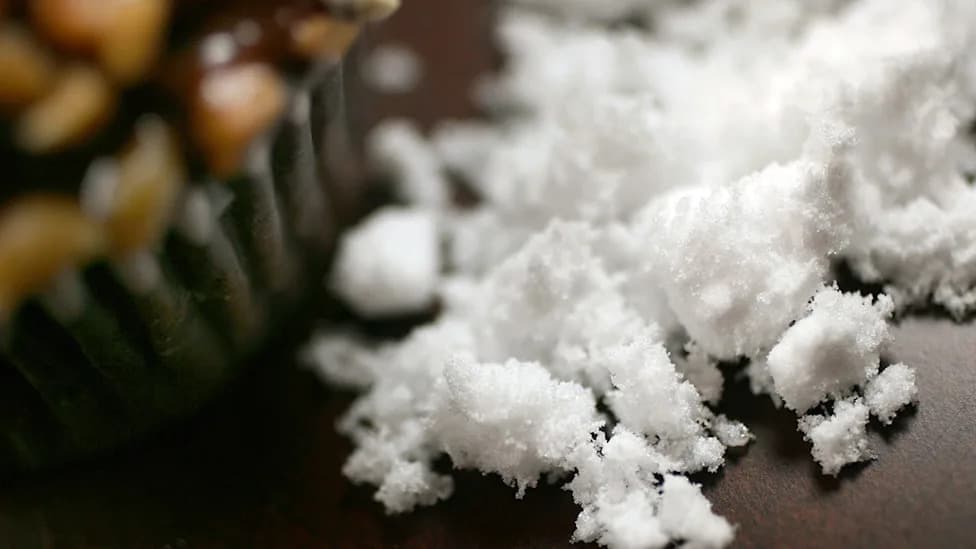
New research in mice suggests that common artificial sweeteners — including sucralose and stevia — can change gene activity and alter the gut microbiome in ways that may increase susceptibility to metabolic problems in descendants. The study, published in Frontiers in Nutrition and led by Francisca Concha Celume, found generation-spanning changes in gene expression and microbial metabolites, though the animals did not develop full-blown diabetes.
Study Design
Researchers divided 47 male and female mice into three groups. One group drank plain water, while the other two received water containing doses of either sucralose or stevia comparable to typical human dietary intake. The mice were bred for two consecutive generations; after the initial exposure, both subsequent generations received only plain water. Scientists then tested descendants for insulin resistance and analysed fecal samples to assess gut microbiome changes.

A range of carbonated drinks are displayed in a Tesco store in London (Getty)
Key Findings
Investigators measured activity of five genes related to inflammation, gut barrier function and metabolism in the liver and intestines. Results varied by sweetener and by generation:
- In the first tested generation, only male offspring of sucralose-consuming mice showed impaired glucose tolerance.
- In the second generation, elevated fasting blood glucose appeared in male descendants of sucralose-fed mice and in female descendants of stevia-fed mice.
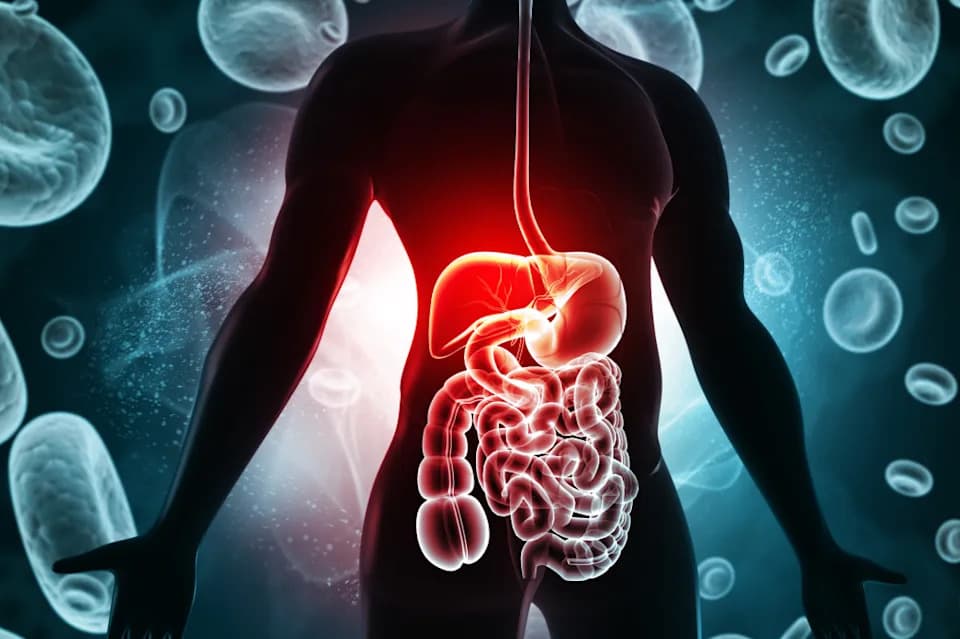
- Both sweeteners were associated with reduced production of beneficial microbial compounds in the gut; sucralose produced more pronounced and longer-lasting shifts, including increases in potentially harmful bacterial species and declines in beneficial microbes.
- None of the animals developed overt diabetes; researchers observed subtle changes in glucose regulation and gene activity that could increase vulnerability under additional stressors (for example, a high-fat diet).
Authors' Perspective And Expert Cautions
“The goal of this research is not to create alarm, but to highlight the need for further investigation,”
said Dr. Concha, noting the findings show associations rather than causal proof. Independent scientists emphasised that mouse models do not automatically translate to humans and urged caution when extrapolating these results to dietary recommendations.
Limitations And Takeaway
This controlled laboratory study provides mechanistic clues — altered gene expression and microbiome shifts — but it does not establish that artificial sweeteners cause diabetes in people. The effects were sex-specific and varied across generations and sweetener type, with sucralose showing the most consistent multigenerational impact. The authors recommend moderation in the use of these additives and call for further studies in humans to clarify long-term effects.
Help us improve.