Cryptotermes mobydicki is a newly described drywood termite from French Guiana whose soldier caste has an unusually long, narrow head resembling a sperm whale. Described in ZooKeys in late 2025, the species lacks frontal horns and a frontal flange and has mandibles recessed behind the extended head. While phragmosis (using a head to plug nest entrances) is one hypothesis, the absence of a typical flange suggests other functions — such as intimidation or aiding movement through galleries — may be involved. Further behavioral study is needed to determine the adaptive purpose of this bizarre morphology.
Meet Cryptotermes mobydicki — The Termite With a Whale‑Like Head Discovered in French Guiana
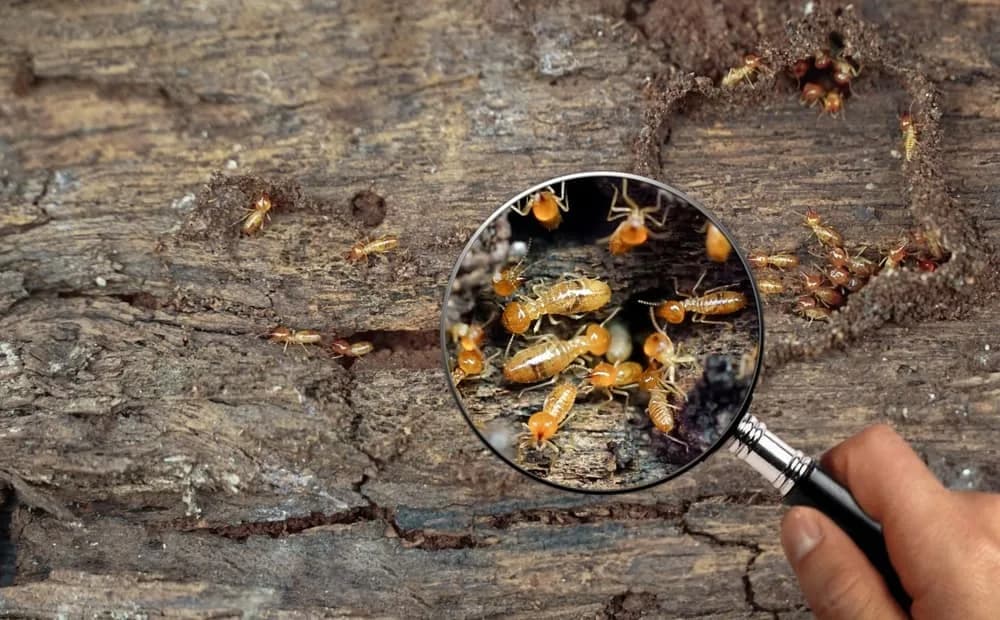
Termite Workers, Small termites, Work termites walk in the nest. Termites enlarge, zoom with magnifying glass.© Oasishifi/Shutterstock.com
Scientists continue to reveal surprising corners of the natural world — from planetary science to the steady stream of newly described species. A 2025 study in Science Advances estimates that researchers formally describe roughly 16,000 previously unknown species each year, a tally dominated by plants, fungi and many insects.
Discovery In A Biodiversity Hotspot
While conducting fieldwork in the forests of French Guiana, a team of researchers found a dry‑wood termite colony living about 26 feet above the ground inside dead wood. Initially expecting a known local species, the team instead identified a previously undescribed termite and named it Cryptotermes mobydicki, an homage to the sperm whale in Herman Melville's Moby‑Dick. The species description was published in ZooKeys at the end of 2025.
What Makes This Termite So Strange?
The soldier caste of C. mobydicki displays an unusually elongated, narrow head that evokes the silhouette of a sperm whale. Compared with other Cryptotermes soldiers, the researchers noted three key morphological differences:
- Longer, narrower head capsule producing the whale‑like profile
- Absence of frontal horns and the frontal flange
- Mandibles largely recessed and hidden behind the extended head
Because these traits are so distinctive, the team briefly considered whether they'd found a new genus. After detailed study, they concluded that C. mobydicki is the 14th Cryptotermes species endemic to the region and the 16th in the genus overall.
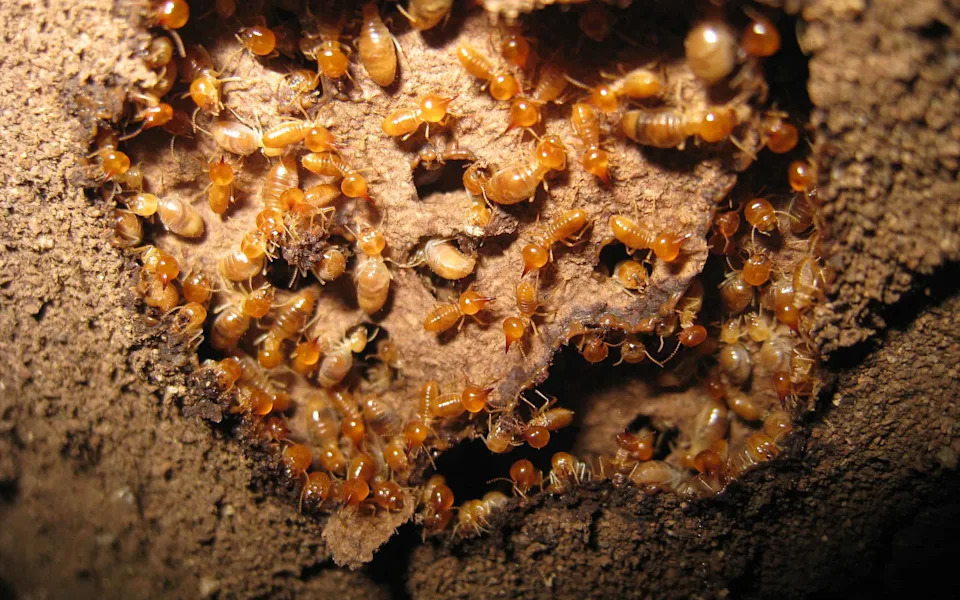
Subterranean termites are found in essentially every U.S. state except for Alaska.©Cheng_Wei/iStock via Getty Images
Possible Functions Of The Whale‑Like Head
The evolutionary reason for such an unusual head shape remains uncertain. One hypothesis points to phragmosis — a defensive strategy in which soldiers use specialized heads to plug nest entrances and delay intruders. However, classic phragmotic heads usually feature a frontal flange, which C. mobydicki lacks, so its head may not serve the typical plug‑and‑seal function.
Other plausible explanations include visual deterrence (a large, intimidating head deterring predators or rival colonies) or a mechanical advantage for navigating narrow or irregular galleries inside dry wood. Behavioral and ecological observations will be needed to test these ideas.
Context: Termite Diversity And Ecological Role
Termites are eusocial insects with complex colonies composed of reproductives, workers and soldiers; queens in some species can lay thousands of eggs. Roughly 3,000 termite species are known and are commonly grouped as subterranean, Formosan, dampwood, drywood and cone‑headed termites. Drywood termites, like C. mobydicki, live and feed within dry wood and can sometimes infest human structures, though many species are ecologically important decomposers.
Discoveries like Cryptotermes mobydicki underscore how much remains to be learned about biodiversity even in well‑studied regions, and they highlight the importance of continued fieldwork, taxonomy and behavioral study.
Help us improve.