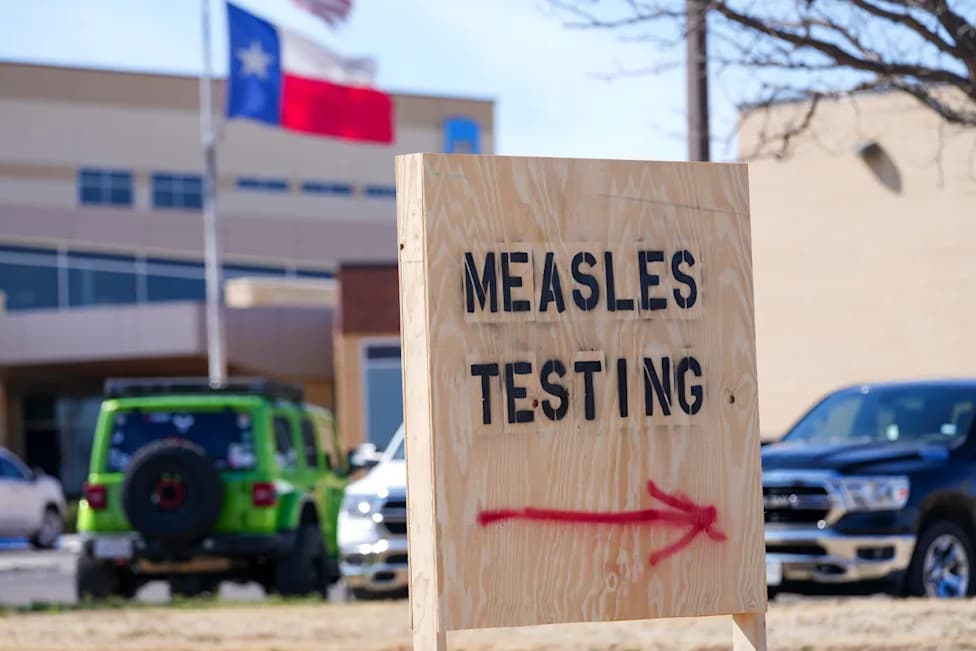
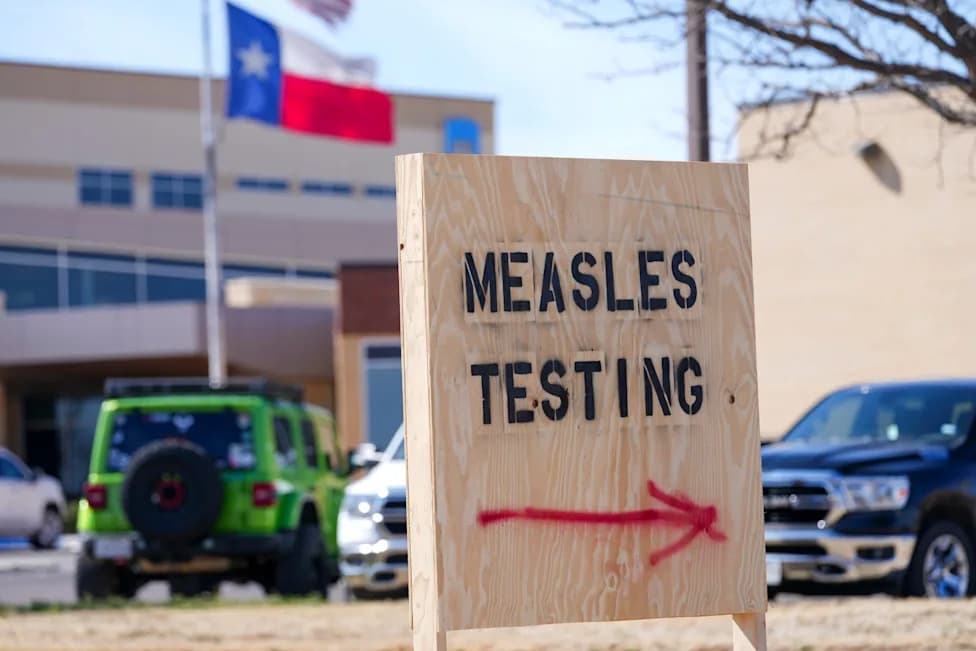
Bangladesh is facing its worst measles outbreak in 20 years, with at least 143 deaths and over 12,000 suspected cases since March 15. Overwhelmed hospitals in Dhaka are treating many children with severe respiratory distress and rashes. Health officials blame low routine vaccine coverage (about 59% last year) and a delayed campaign; an emergency measles-rubella drive launched on April 5 aims to reach more than 1.2 million children. Crowded cities and the Cox's Bazar refugee camps remain at highest risk.
Vaccine Shortfalls Fuel Deadly Measles Surge in Bangladesh
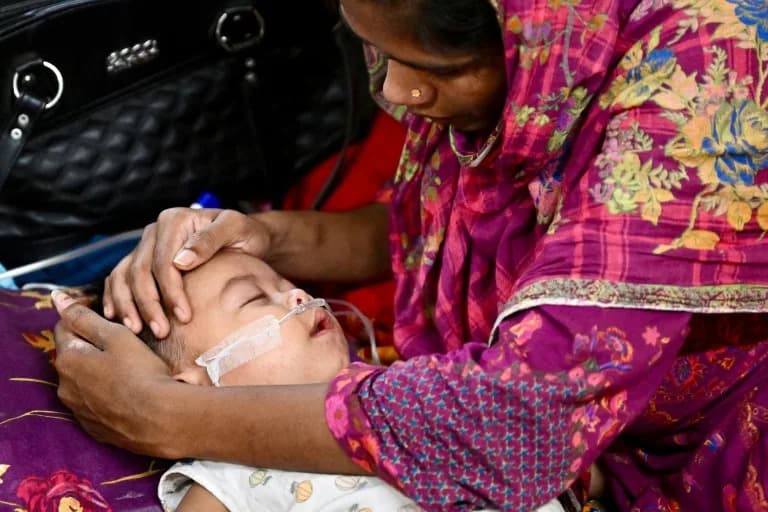
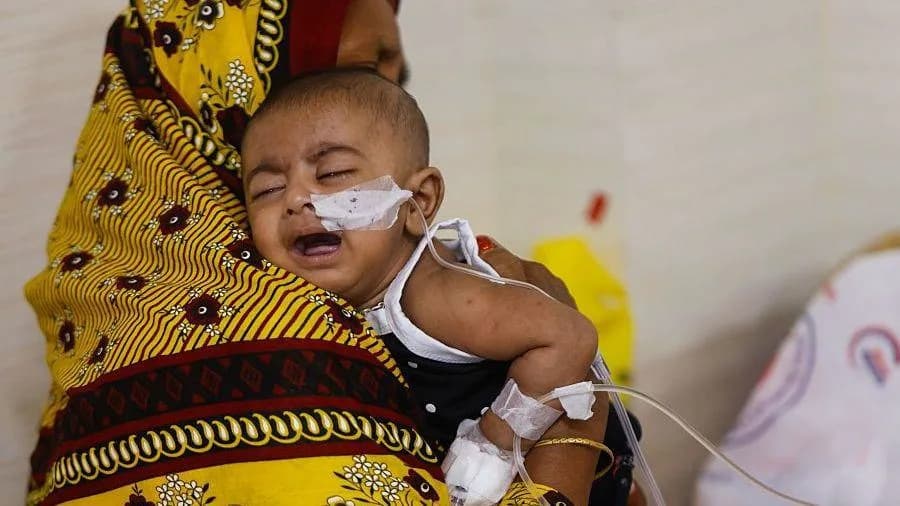
Measles is one of the world's most contagious diseases, according to the World Health Organization, and spreads via coughs or sneezes (MUNIR UZ ZAMAN)(MUNIR UZ ZAMAN/AFP/AFP)
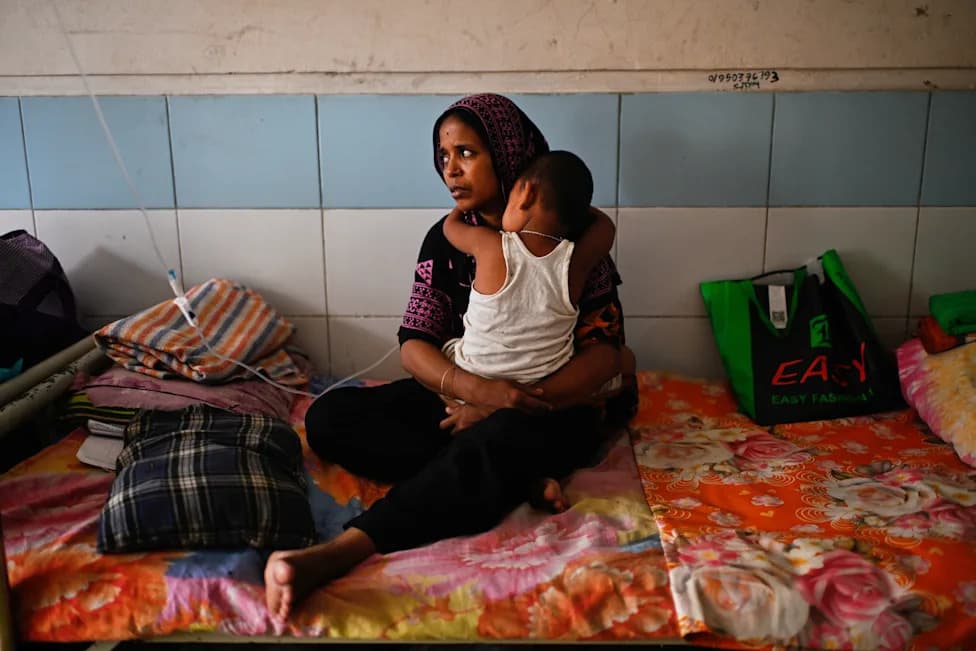
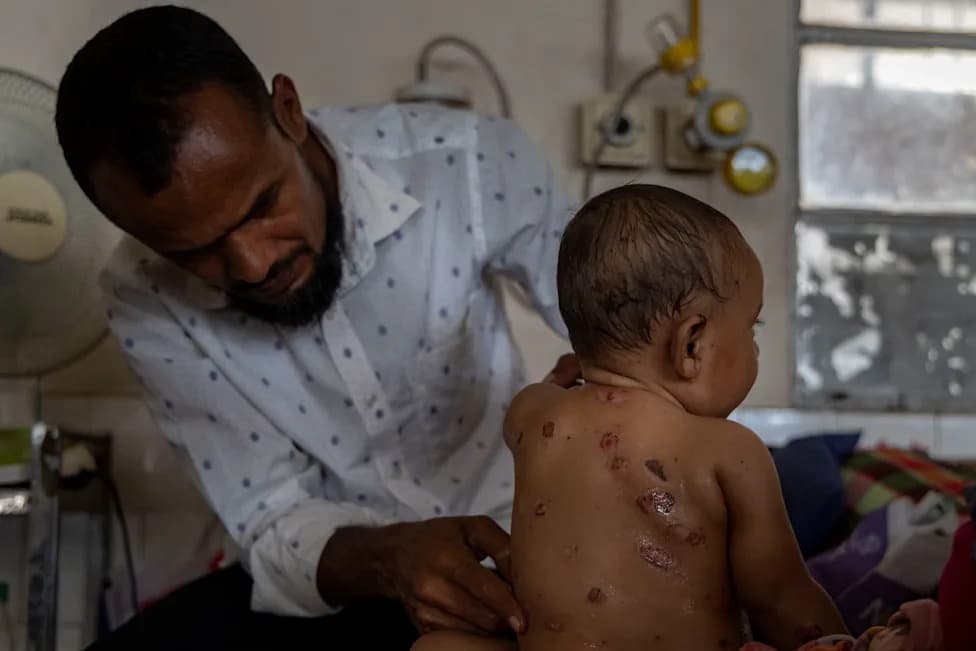
Rocking her infant to ease his burning fever and ragged breaths, 18-year-old Rubia Akhtar Brishti described how her son nearly died during Bangladesh's measles outbreak. "The boy had high fever and found it hard to breathe," Brishti told AFP as she wiped the fevered forehead of one-year-old Minhaz. "His whole body had rashes."
At least 143 people have died since March 15 and more than 12,000 suspected cases have been reported — the worst measles crisis Bangladesh has seen in two decades. The vast majority of fatalities are children.
Hospitals Overwhelmed
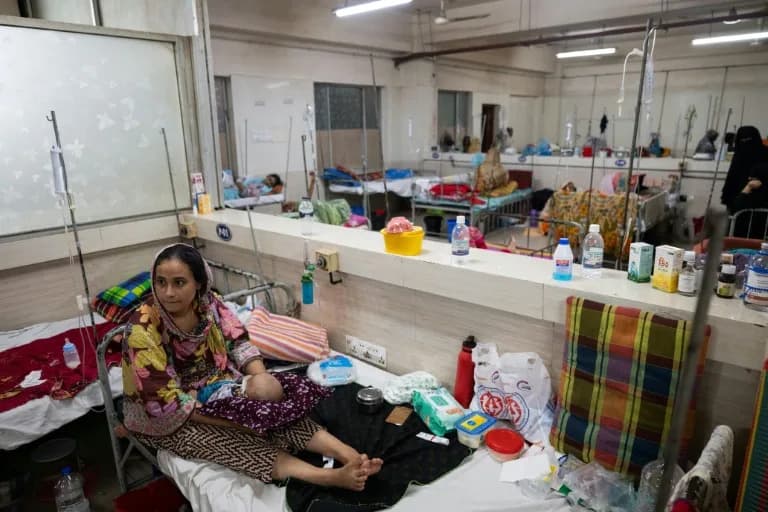
Families from rural areas have rushed to Dhaka for care. The DNCC Hospital in Mohakhali, originally repurposed for COVID-19 patients, is now overwhelmed with paediatric measles cases. Wards ring with coughing and cries as parents use nebulisers to ease severe respiratory distress while tending to children marked by widespread rashes.
Vaccination Gaps Drive The Outbreak
Measles is among the most contagious infectious diseases and spreads through coughs or sneezes. Though it can affect any age, it primarily strikes young children and can cause severe complications including brain swelling (encephalitis) and life-threatening respiratory failure.
Health officials and aid groups point to gaps in routine immunisation and the postponement of a planned 2024 campaign amid political unrest as major contributors. National routine measles coverage fell to about 59% last year — far below the roughly 95% needed for herd immunity. Among affected children, authorities report 17% had received one vaccine dose and 11% had received two.
Emergency Response Underway
On April 5, government health teams, supported by UN partners, launched an emergency measles-rubella campaign targeting more than 1.2 million children. Aid organisations warn the outbreak will continue unless vaccine coverage is rapidly increased and campaigns are sustained, especially in crowded urban settings and high-density sites such as the Cox's Bazar refugee camps.
"We know that if not enough vaccines are administered or if the vaccine campaign isn't sustained, the outbreak will continue to spread, and paediatric wards will continue to fill," said Golam Mothabbir of Save the Children Bangladesh.
Health workers are racing to vaccinate children and provide supportive care, but logistical challenges, vaccine shortages in some centres, and lost vaccination records have left many families vulnerable. Officials urge parents to seek vaccination for eligible children and call for increased international support to scale up the emergency response.
Help us improve.